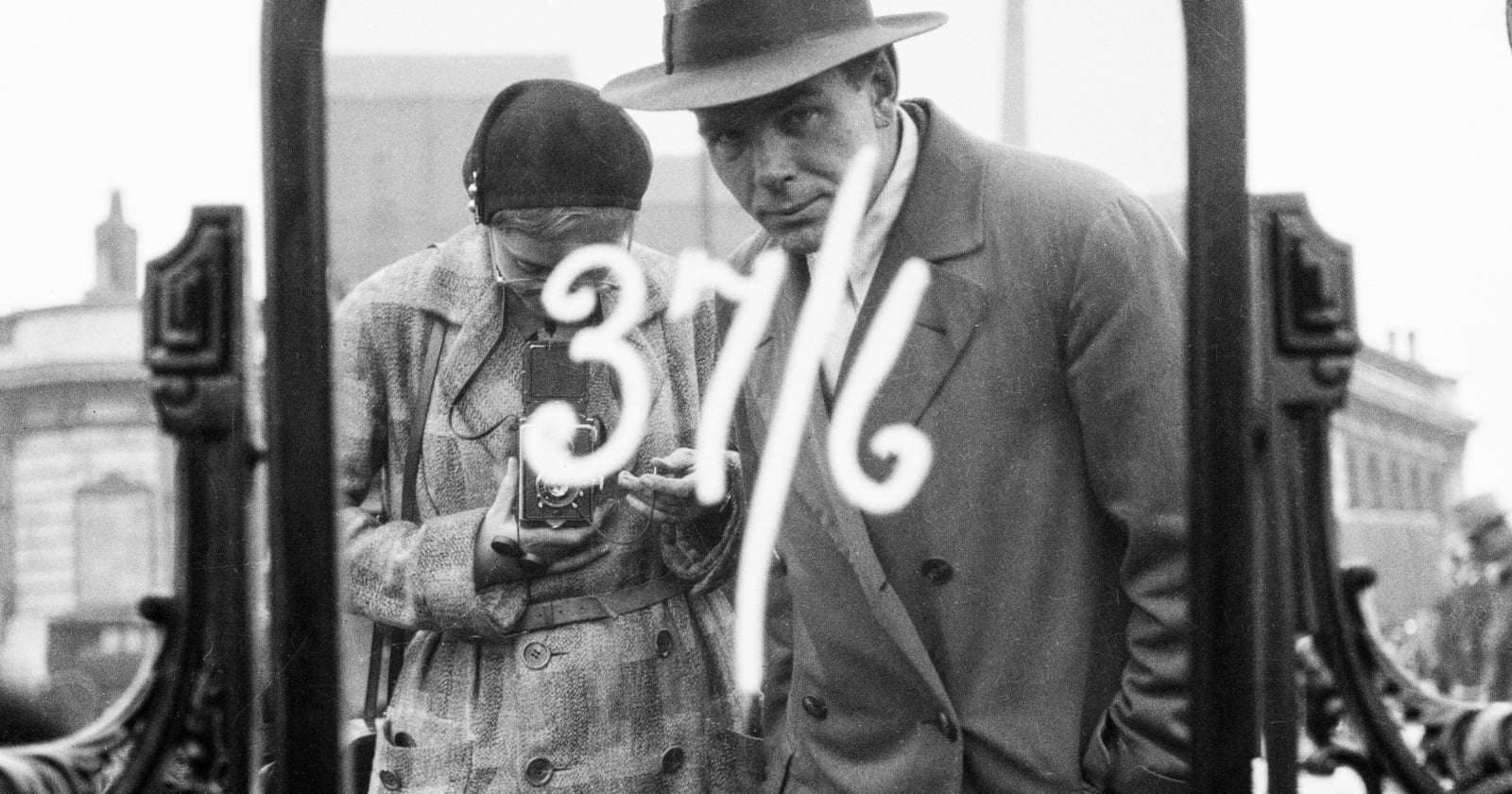
Photography is not just about capturing moments; it’s often a lens through which history unfolds. Enter Edith Tudor Hart, a revolutionary figure in the realm of photography during the 1930s in London, whose life story is as intriguing as the images she captured. Recent revelations from a new biography highlight her transition from a pioneering photographer to a covert Soviet operative, shedding light on the complexities of her character and the turbulent times she navigated.
Tudor Hart's photographic work was characterized by an empathetic portrayal of the working class and the socio-political climate of pre-war Britain. Using a Leica camera—a favorite among photojournalists for its compact size and sharp image quality—she captured striking black-and-white images that reflected the struggles and resilience of everyday people. Her photographs were not merely artistic endeavors; they were social commentaries that showcased her keen eye for detail and authenticity. But behind the lens, she was deeply entrenched in a world of espionage, engaging with influential figures who would later be implicated in the Cambridge Five scandal.
The Cambridge Five were a group of British spies who passed information to the Soviet Union during and after World War II, and Tudor Hart played a pivotal role in this narrative. Not only did she have connections with these espionage figures, but her photographic assignments also served as a cover for her covert activities. The biography details how her camera was not just a tool for art; it became a means of gathering intelligence. Her dual role raises fascinating questions about the intersection of creativity and politics, as well as the ethical implications of using art as a facade for espionage.
In today's rapidly evolving landscape of artificial intelligence and digital photography, the story of Edith Tudor Hart resonates more than ever. As technology continues to shape how we capture and interpret images, the ethical boundaries of photography are increasingly blurred. The rise of AI in photography, from automated editing to deepfake technology, invites a reflection on the responsibility that comes with the power of the lens. Just as Tudor Hart navigated the complexities of her era, contemporary photographers must grapple with the implications of their craft in a digital age where authenticity is often in question.
CuraFeed Take: Edith Tudor Hart’s life is a poignant reminder of how art can be intertwined with larger socio-political movements. As photographers, we must consider the impact of our work beyond the frame; it is a call to be vigilant about the narratives we contribute to. The merging of photography and technology invites both exciting possibilities and ethical dilemmas—watch as the industry evolves, and be prepared to engage with the challenges that arise. Those who can navigate these complexities will not only excel in their craft but may also find their voices echoing in future histories.