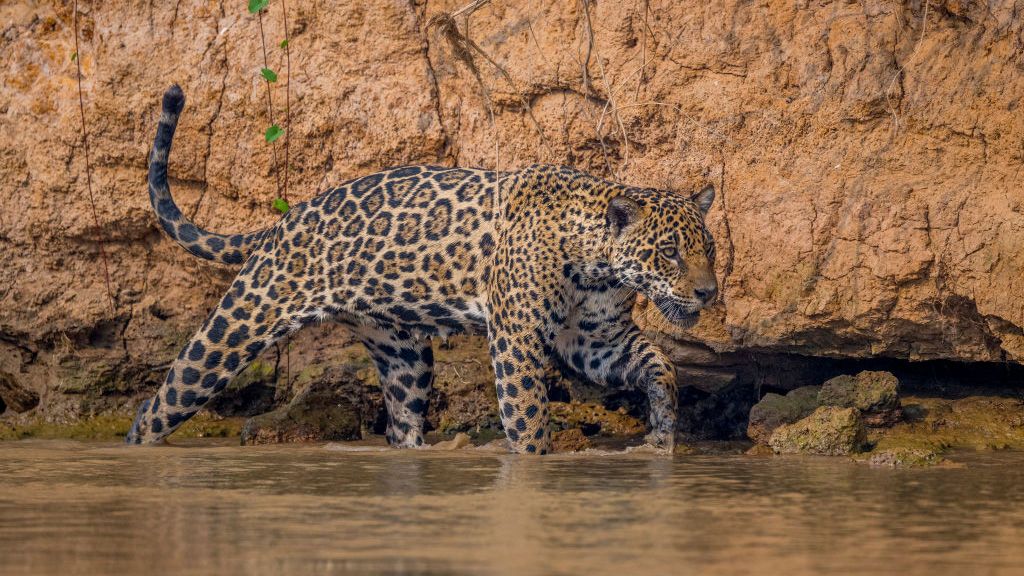
If you’re a wildlife photographer or simply an aficionado of nature, you know the thrill of capturing a rare moment. Recently, a trail camera in southern Arizona recorded an extraordinary sight: a jaguar, the largest big cat in North America. With only five individuals identified in this area over the last 15 years, this sighting is not just noteworthy; it underscores the significance of having the right gear to document fleeting wildlife encounters. As the landscape of wildlife photography evolves, so too does the technology that facilitates our connection with the natural world.
The footage was captured by a trail camera set up by conservationists who are actively monitoring the local wildlife populations. This particular device, engineered for rugged conditions, boasts high-resolution imaging capabilities and can operate effectively in variable lighting, making it ideal for capturing elusive species. Equipped with infrared sensors, these cameras can detect motion from a considerable distance, ensuring that even nocturnal appearances are documented. The combination of high sensitivity and quick trigger speed is essential, especially when dealing with species as rare as the jaguar.
The trail camera market has seen significant advancements, and this recent sighting is a testament to how these innovations can make a difference in wildlife observation. Modern models offer features like 4K video recording, enhanced low-light performance, and even built-in cellular connectivity for immediate uploads. Some of the leading brands, such as Browning, Reconyx, and Bushnell, provide options that cater to varying budgets and preferences. With prices ranging from $100 to over $500, it’s essential to choose a model that balances performance with cost, particularly for capturing elusive wildlife.
This jaguar sighting also fits into a broader narrative about wildlife conservation and habitat protection. As urbanization and climate change continue to threaten natural habitats, documenting the presence of species like the jaguar can inform conservation efforts and highlight the need for protective measures. The unique behavior and movements of these cats can offer insights into their adaptability and survival strategies, which are increasingly important as their populations face pressures from human activity.
CuraFeed Take: This rare encounter serves as a reminder of the critical role that technology plays in wildlife photography and conservation. For photographers, investing in high-quality trail cameras is not just about capturing stunning images; it’s about contributing to the understanding and preservation of our natural world. As we move forward, expect continued innovations in camera technology that will make capturing these fleeting moments even more accessible and impactful. The next big cat sighting might just be around the corner, and with the right gear, you could be the one to document it.