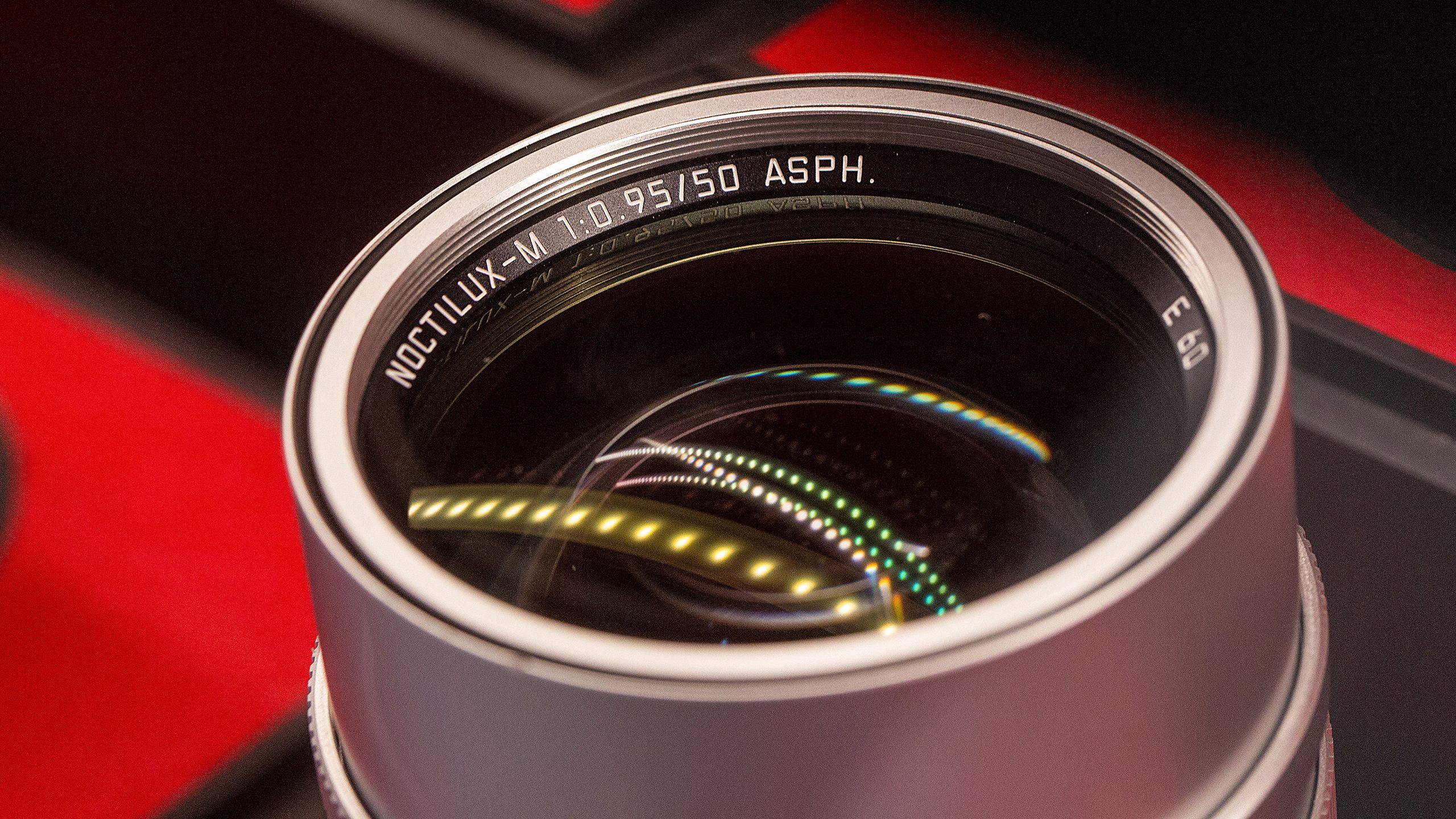
In the ever-evolving landscape of photography, where every detail matters, one aspect consistently garners attention: lens speed. With the rise of f/0.95 lenses, enthusiasts and professionals alike find themselves intrigued by the promise of unprecedented light-gathering capabilities. But as we dive deeper into this optical phenomenon, it becomes clear that sometimes, what glitters isn’t gold. The recent discussions around these ultra-fast lenses have sparked not just curiosity but also a debate about their actual value in real-world photography.
Super-fast lenses, particularly those boasting f/0.95 apertures, have long been the Holy Grail for photographers seeking that dreamy bokeh and exceptional low-light performance. However, the history of such lenses is rife with exaggeration. Take, for instance, the infamous German 0.95 lens originally marketed with a sense of humor rather than technical superiority. It raises an important question: are these lenses truly revolutionary, or are they simply clever marketing strategies designed to create buzz in a competitive landscape?
The hype surrounding the f/0.95 lenses often overshadows the practical aspects that serious photographers should consider. While it’s easy to get caught up in the allure of the world’s “fastest” lens, the reality often tells a different story. Many of these lenses are more about pushing boundaries than actual usability. For instance, when comparing the new f/0.95 lenses to their f/1.2 or even f/1.4 counterparts, the differences in real-world performance can be minimal, especially when factors like lens distortion, chromatic aberration, and overall sharpness come into play. Photographers might find that a lens with a slightly slower aperture offers better image quality and more versatility without the added challenges of shooting wide open.
This discussion of super-fast lenses also intertwines with a broader conversation about the role of innovation in the photography industry. As manufacturers continuously seek to outdo one another, the race for the fastest lens often distracts from advancements that genuinely enhance the user experience. Features like improved autofocus systems, better coatings for reduced flare, and robust build quality can often outweigh the marginal benefits of a lens that’s only slightly faster than its predecessors.
CuraFeed Take: The fascination with f/0.95 lenses epitomizes the duality of photography gear: the intersection of hype and reality. While these lenses can certainly create stunning images under the right conditions, their practical application is often limited. As a photographer, it’s essential to focus on what truly matters for your work—optimal image quality, reliability, and usability—rather than getting swept up in the race for the fastest specs. Moving forward, keep an eye on manufacturers that prioritize meaningful innovations over mere bragging rights, as they will ultimately shape the future of camera equipment more than the pursuit of record-breaking apertures ever could.