As photographers, we often find ourselves grappling with composition—it's the backbone of visual storytelling. While the rule of thirds has been a longstanding guideline for framing our shots, it’s time to rethink our approach to composition. Especially in today's world of diverse aspect ratios and advanced camera technologies, understanding when to break the mold can lead to strikingly original photographs.
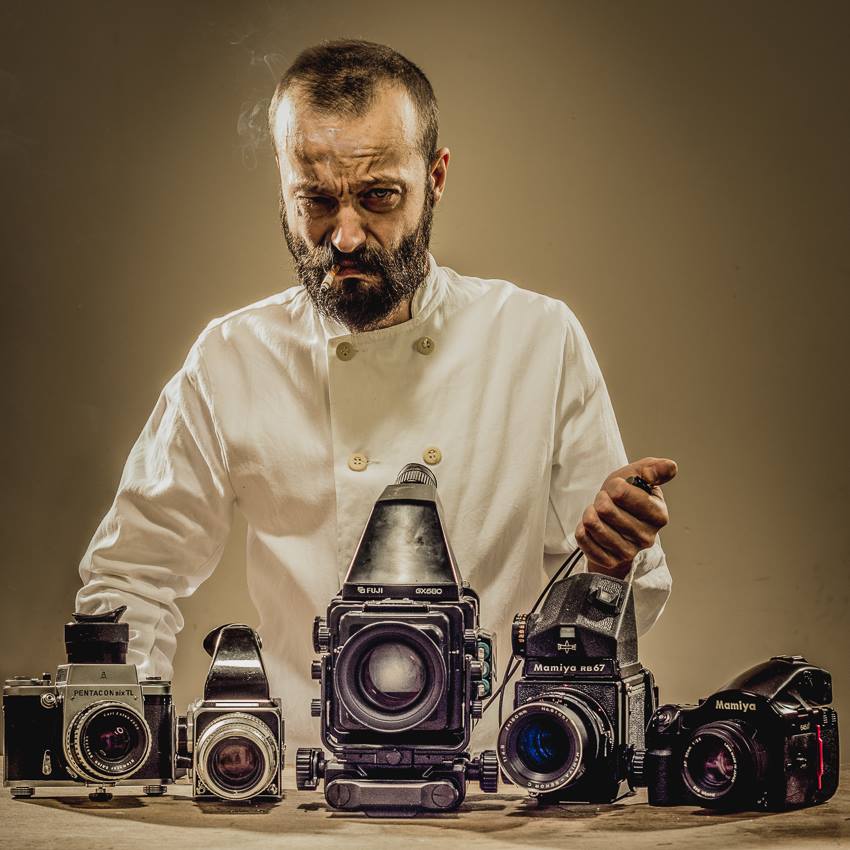
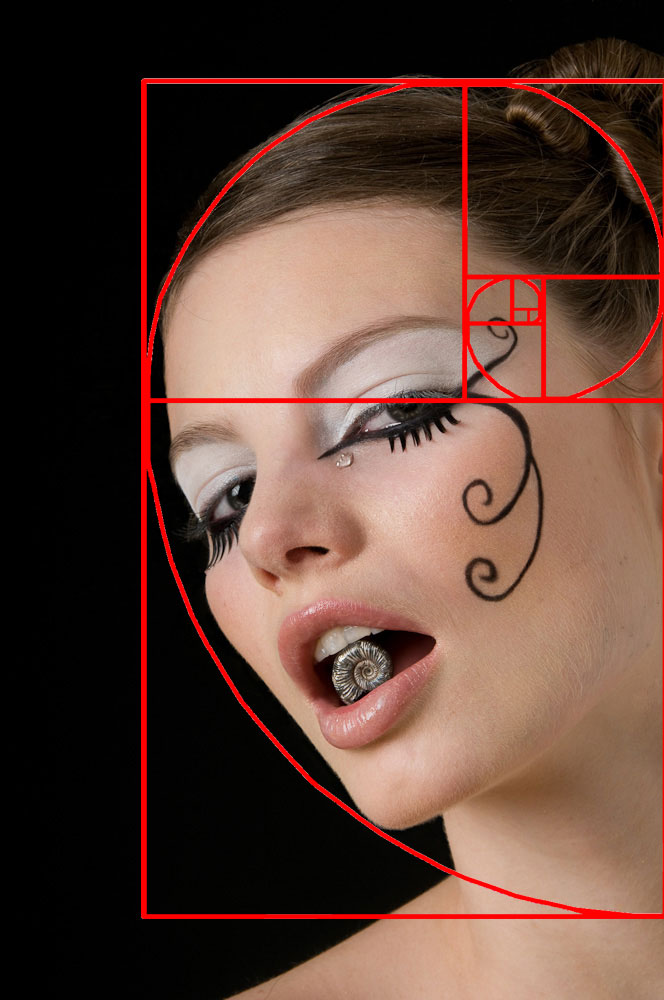
Traditionally, the rule of thirds suggests that we split our frame into nine equal parts and place key elements along the gridlines or at their intersections. This technique has served many well, particularly for images that conform to standard 3:4 ratios. However, a deeper look into composition reveals that sometimes centering your subject can create a powerful impact. But there’s even more to explore, as there’s a range of compositional strategies that photographers can utilize to enhance their visual narratives.
For instance, consider the technique of leading lines, where elements in the scene draw the viewer's eye toward the subject. This can be achieved with roads, rivers, or architectural features that guide the viewer naturally through the image. Additionally, the use of foreground interest can enhance depth, making your photos not just flat visuals, but multi-dimensional experiences. Using these methods, alongside or instead of the rule of thirds, can lead to a more dynamic and engaging composition.
In the ever-evolving landscape of photography, AI and software advancements have changed how we process and edit our images. Many modern editing tools come equipped with AI-driven composition suggestions that analyze your shots and provide feedback. However, relying solely on technology can stifle creativity. It’s essential to cultivate your own unique vision and adapt these tools to serve your artistic purpose rather than dictate it.
Moreover, as social media platforms continue to showcase images in various formats—from square to vertical and panoramic—photographers must adapt their compositional strategies to suit these different displays. Understanding how to compose effectively across these formats not only enhances your portfolio but also increases your visibility in a crowded digital space.
CuraFeed Take: Photography is as much about breaking the rules as it is about adhering to them. The winners in this evolving field will be those who can fluidly combine traditional techniques with innovative approaches—embracing both the rule of thirds and the freedom of centered composition, while also leveraging digital tools. As you experiment with different styles and formats, keep an eye on how emerging trends in composition can set your work apart in a saturated market. Remember, the best compositions often come from a blend of learned techniques and personal expression, so don’t hesitate to push the boundaries!