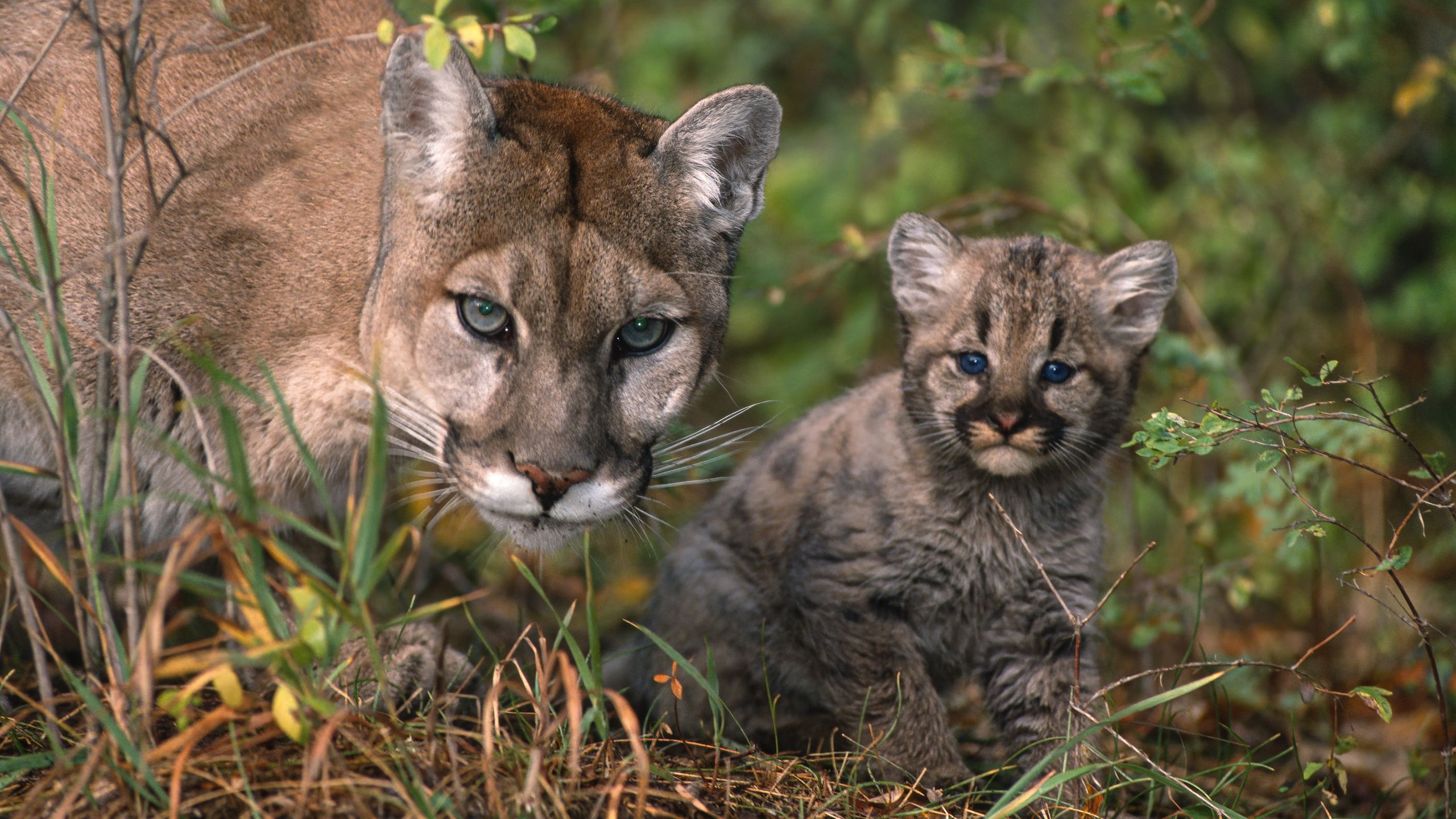
As the world becomes increasingly aware of the delicate balance of ecosystems, the role of advanced photographic technology in wildlife observation has never been more crucial. The recent revelation that researchers in Minnesota have secured the first-ever footage of cougar cubs in the wild in over a century underscores how trail cameras can not only enhance our understanding of elusive species but also aid in their conservation.
This remarkable achievement was made possible through the strategic placement of a trail camera on a deer carcass. Just four hours after activation, the camera recorded a stunning capture of a mother cougar and her cubs, providing invaluable data about the reproductive behavior of cougars in the region. This event marks a significant milestone, showcasing that these powerful predators, once thought to be absent from Minnesota, are not only present but thriving.
Trail cameras have evolved significantly over the years, equipped with high-resolution sensors, infrared night vision capabilities, and advanced motion detection technologies. The camera used in this instance was specifically chosen for its ability to capture high-quality images even in low-light conditions, making it ideal for monitoring shy wildlife. The footage collected is not only a visual delight for photographers but also serves as essential evidence for researchers studying cougar populations and their habitats.
The implications of this discovery extend beyond the immediate excitement of capturing such rare footage. It indicates a broader trend of wildlife returning to areas from which they had previously vanished, potentially due to conservation efforts and changing environmental conditions. Cougars, once thought to have disappeared from Minnesota, are now making a comeback, suggesting a shift in the ecological landscape that could influence other species as well.
This development fits into a growing narrative within the wildlife photography and conservation community, where trail cameras have become invaluable tools for monitoring animal populations. Advances in technology mean that photographers and researchers alike can document wildlife behavior with unprecedented clarity and detail. The data collected through these cameras play a crucial role in informing conservation strategies and educating the public about the importance of preserving natural habitats.
CuraFeed Take: The successful capture of cougar cubs on camera not only showcases the capabilities of modern trail cameras but also highlights the shifting dynamics of wildlife populations in North America. This is a major win for both researchers and wildlife enthusiasts, offering a glimpse into the lives of these elusive creatures. As technology continues to advance, we can expect even more thrilling discoveries in the realm of wildlife photography. Keep an eye on the developments in camera technology, as they will undoubtedly shape the future of wildlife observation and conservation efforts.