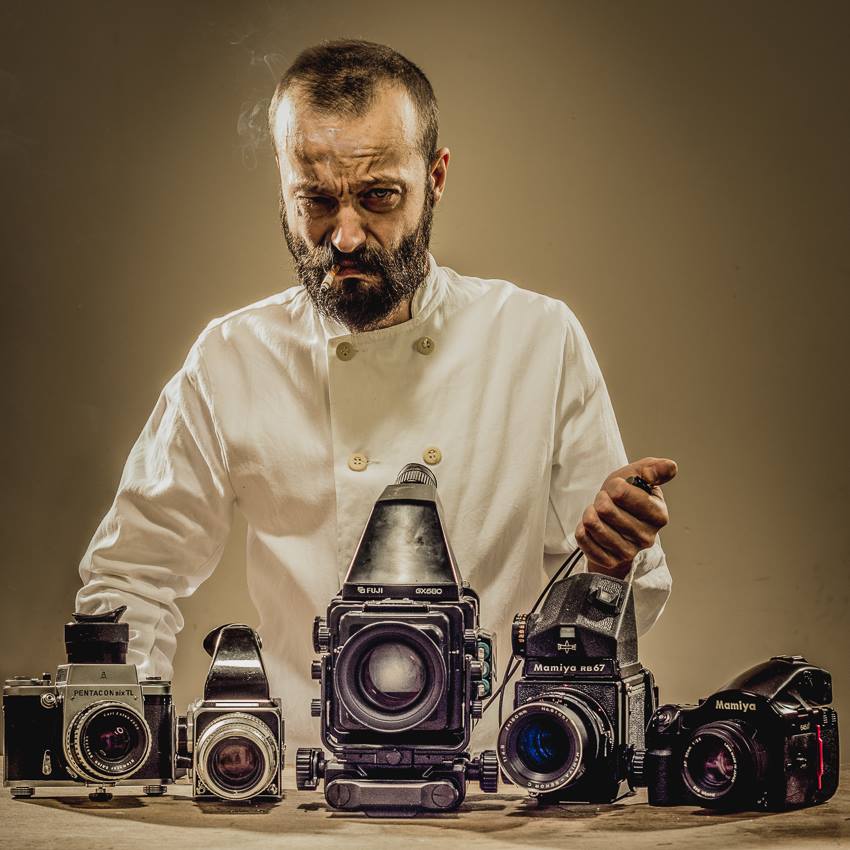
Imagine capturing the very essence of the universe in a single frame. For photography student Tom Liggett, this dream became a reality when he launched a roll of film into the stratosphere via a hot-air balloon, reaching an astonishing altitude of 120,000 feet. This audacious project not only tested the limits of analog photography but also unveiled a breathtaking fusion of art and science, resulting in abstract patterns that tell stories of cosmic phenomena.
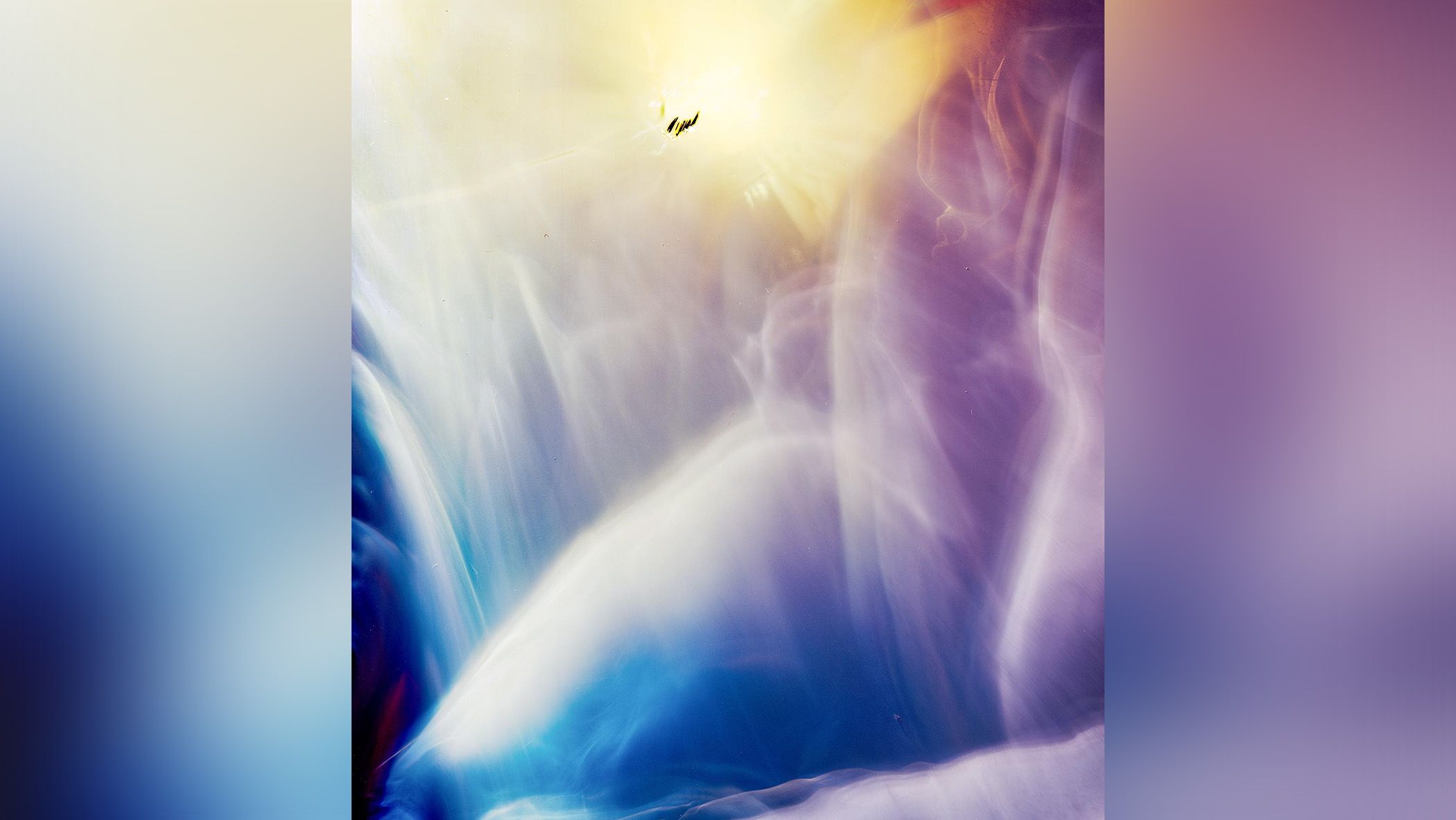
Liggett's mission, aptly named “Cosmic Exposure,” aimed to explore how cosmic radiation interacts with photographic film. As it ascended through the atmosphere, the film was subjected to extreme conditions, including intense cold and varying pressures, while also being bombarded by high-energy particles from black holes located billions of light-years away. The result? A series of breathtaking images that showcase intricate designs, seemingly painted by the universe itself.
The technical specifications of the film used are noteworthy. Liggett chose traditional 35mm film, which is sensitive to various forms of radiation. This choice was critical; while digital sensors may have been overwhelmed or damaged by the harsh conditions, the film’s chemical composition allowed it to capture unique effects that are impossible to replicate in a digital format. The project was not without challenges, however. Liggett had to meticulously plan the ascent, carefully monitor the balloon's trajectory, and ensure the film was well-protected during its journey to and from the edge of space.
This endeavor is not just an artistic pursuit; it also fits into a larger narrative about the role of photography in scientific exploration. As we witness an increasing number of artists and scientists collaborating to push the boundaries of their fields, Liggett's project serves as a reminder of the power of creative thinking. The fusion of photography with space exploration opens up new avenues for visual storytelling and scientific inquiry, inviting us to reconsider what photography can achieve beyond simply capturing moments in time.
CuraFeed Take: Liggett’s project is a significant milestone in both photography and space exploration, illustrating how innovative ideas can lead to breathtaking results. The implications are clear: as technology evolves, we can expect a new wave of photographers to experiment with unconventional methods, pushing the limits of creativity and technical prowess. Expect to see more artists following in Liggett's footsteps, using their cameras not just to document the world around them but to capture the vastness of the universe itself. This could also spur interest in developing specialized equipment designed for extreme environments, giving rise to a new niche within the photography gear market. Keep a close eye on this space — the intersection of art and science is only just beginning to unfold.