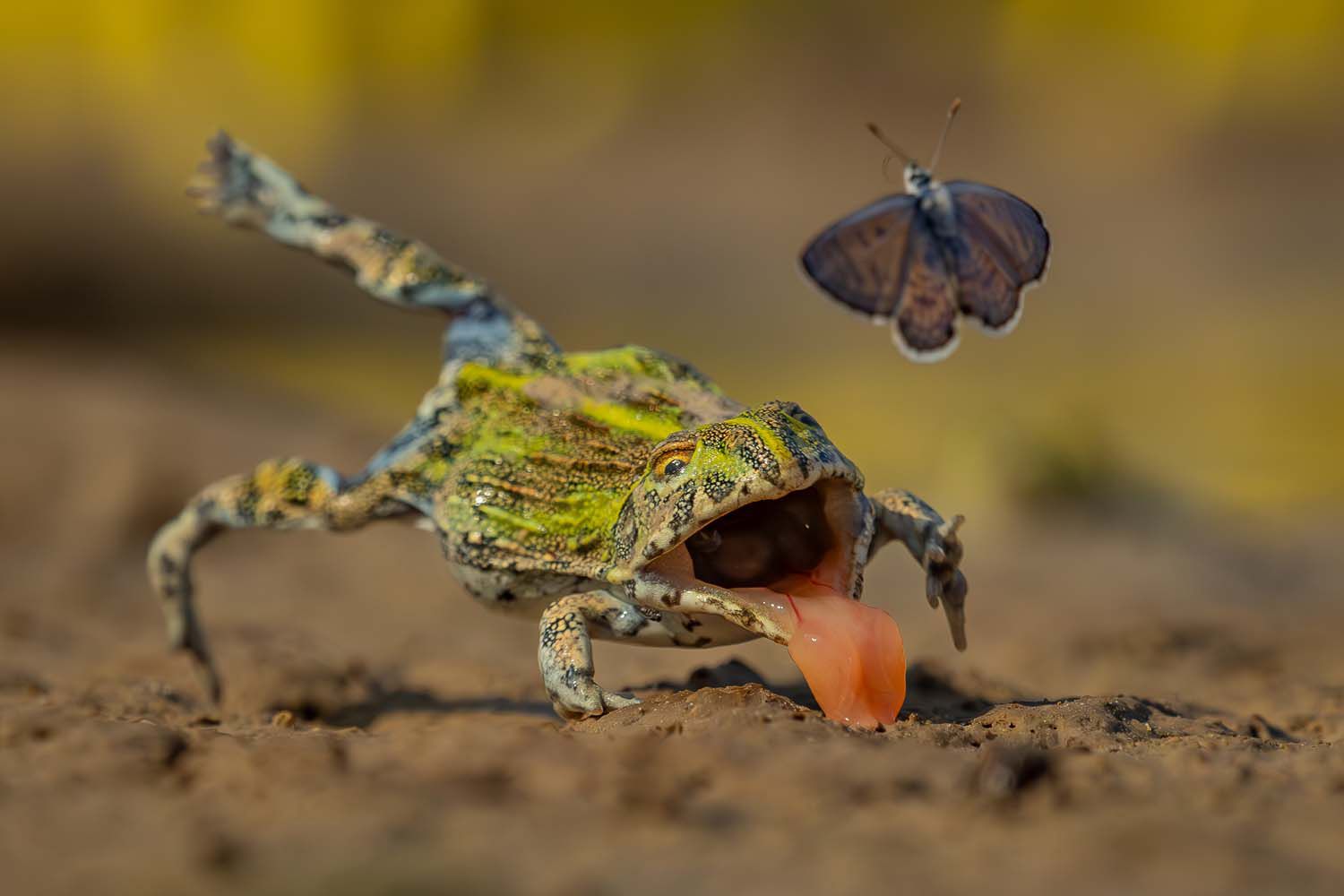
In the fast-paced world of wildlife photography, moments can disappear in the blink of an eye. A recent award-winning photograph of a frog, taken at an astonishing shutter speed of 1/4000 seconds, underscores the importance of both high-quality gear and the photographer's skill. As photographers seek to elevate their craft, this split-second capture serves as a vivid reminder that practice and the right tools can lead to extraordinary results.
The image in question was taken using a professional-grade mirrorless camera paired with a high-end telephoto lens, allowing for sharp detail and stunning clarity. The combination of the camera's advanced autofocus system and the lens's impressive reach enabled the photographer to freeze the frog mid-leap, showcasing its vibrant colors and intricate textures. This shot not only won accolades but also highlights the technical capabilities that modern cameras are bringing to wildlife photography.
Many photographers may wonder which specific gear was used to achieve such a remarkable shot. While the exact model details were not disclosed, the use of a mirrorless camera suggests a setup that is lightweight yet powerful, making it ideal for dynamic environments like wetlands or jungles. Telephoto lenses in the range of 300mm to 600mm are typically favored for capturing wildlife, allowing users to maintain a safe distance from their subjects while still filling the frame with detail. This kind of equipment can be an investment, but the results—like this award-winning photo—speak for themselves.
As technology continues to advance, the role of artificial intelligence in photography is becoming increasingly significant. From improving autofocus systems to enhancing image quality through editing software, AI is changing the landscape for both amateurs and professionals. This award-winning frog photo serves as a reminder of the synergy between advanced technology and human intuition. As photographers, we are not only users of these tools but also artists who must adapt and refine our skills to make the most of them.
CuraFeed Take: The success of this frog photograph illustrates that while gear plays a crucial role, it is the photographer’s experience and instinct that ultimately bring the image to life. As technology continues to evolve, we anticipate even more breathtaking wildlife photography will emerge, pushing the boundaries of what we deem possible. Photographers should watch for the latest in lens technology and camera features that enhance usability in the field, as these innovations will only serve to elevate the art of capturing fleeting moments in the wild.