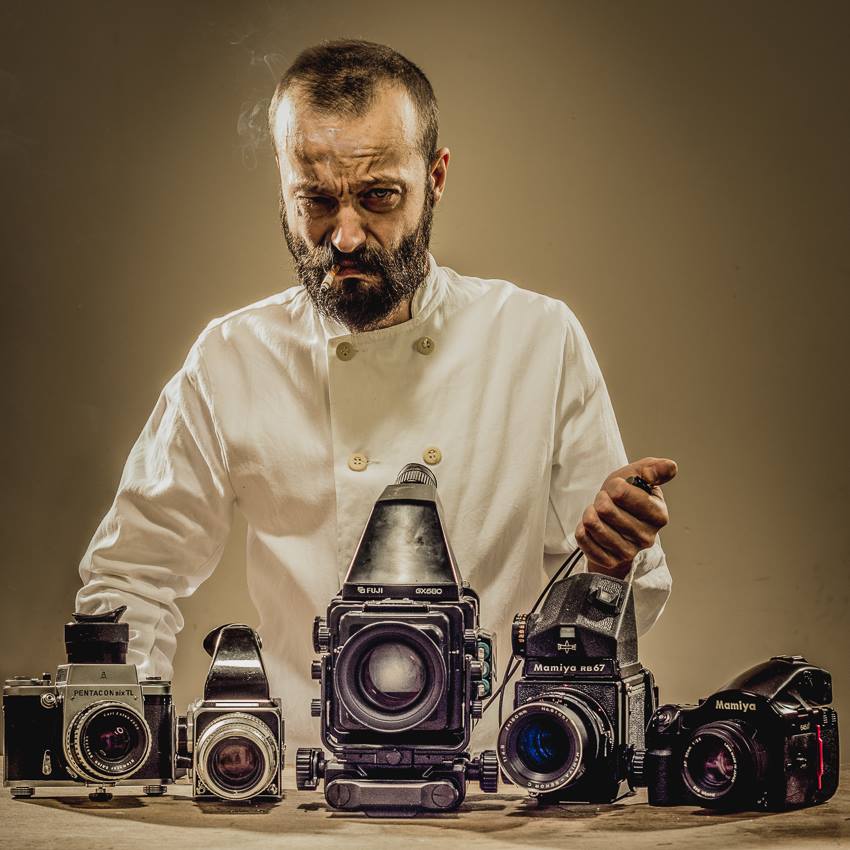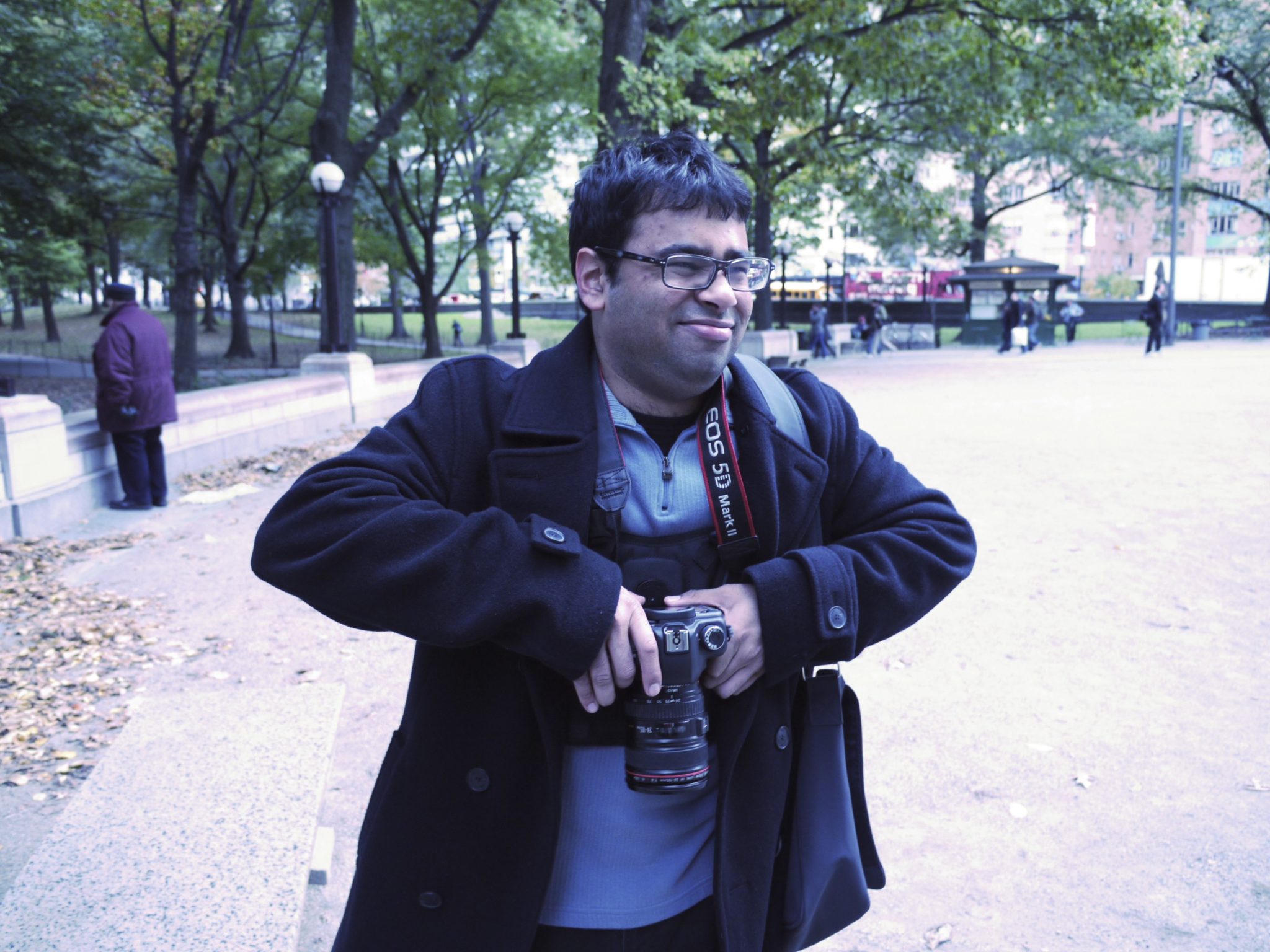
In an age where smartphones dominate the photography landscape, a surprising renaissance is taking place: vintage digital cameras are capturing the attention of photographers once again. Many enthusiasts are turning their backs on the convenience of mobile photography to embrace the tactile experience and functionality of older models. This shift is not just a passing trend but a significant movement that highlights the enduring value of these classic devices.
Among these revered models, the Canon S5 IS stands out as a nostalgic favorite. Launched between 2005 and 2009, this camera features a robust 12x optical zoom, a swivel LCD screen, and can shoot up to three frames per second. The inclusion of manual controls and optical image stabilization made it a beloved choice for both budding photographers and seasoned pros alike. Each of these attributes contributed to a shooting experience that many modern cameras struggle to replicate, especially with the increasing reliance on digital zoom in smartphones.
The Canon S5 IS isn’t alone in this revival; many other digital cameras from that era are also seeing renewed interest. Enthusiasts are flocking to models that offer unique characteristics such as superior lens quality, physical controls, and a distinct aesthetic that sets them apart from the sleek, minimalist designs of today's devices. Photographers are drawn to these cameras not just for their specifications, but for the nostalgia they evoke and the stories they tell. The tactile experience of adjusting settings on a physical dial, the joy of composing a shot through a viewfinder, and the satisfaction of capturing an image with a reliable, albeit older, piece of equipment are all contributing factors to this resurgence.
As we navigate the broader AI landscape, it's essential to recognize how this trend fits into the evolving world of photography. While artificial intelligence continues to enhance smartphone cameras—offering impressive computational photography capabilities—there's a growing counter-movement that values the artistry and hands-on approach of traditional photography. This juxtaposition raises questions about the future of photography itself. Will the industry continue to trend towards automation and convenience, or will there be a resurgence of interest in the craft that comes from manually operating a camera?
CuraFeed Take: The revival of vintage digital cameras represents a significant cultural shift in photography. As enthusiasts seek authenticity and a deeper connection to their craft, brands that once dominated the market may find themselves with an opportunity to reintroduce classic models. For photographers, this means a chance to explore diverse styles and methods, while for manufacturers, it could lead to a renaissance of production for these beloved devices. Keep an eye on how this trend evolves and whether it influences new camera designs that combine the best of both worlds: classic aesthetics with modern technology.