For photographers looking to push their creative boundaries, street portraiture offers a unique opportunity to blend artistry with candid moments. However, many find the idea of approaching strangers for portraits a bit intimidating. The good news? There are effective strategies to help you build confidence and establish rapport, all while ensuring that your gear supports your vision.
To start, it’s crucial to choose the right equipment for street photography, as the right tools can significantly enhance your shooting experience. A compact mirrorless camera, such as the Sony Alpha a6400 or Fujifilm X-T30, can provide excellent image quality without the bulk of traditional DSLRs. Pair your camera with a versatile prime lens, like a 35mm or 50mm f/1.8, which strikes a balance between capturing tight portraits and wider contextual shots. These setups not only allow for low-light performance but also facilitate quick and discreet shooting, which is essential in street environments.
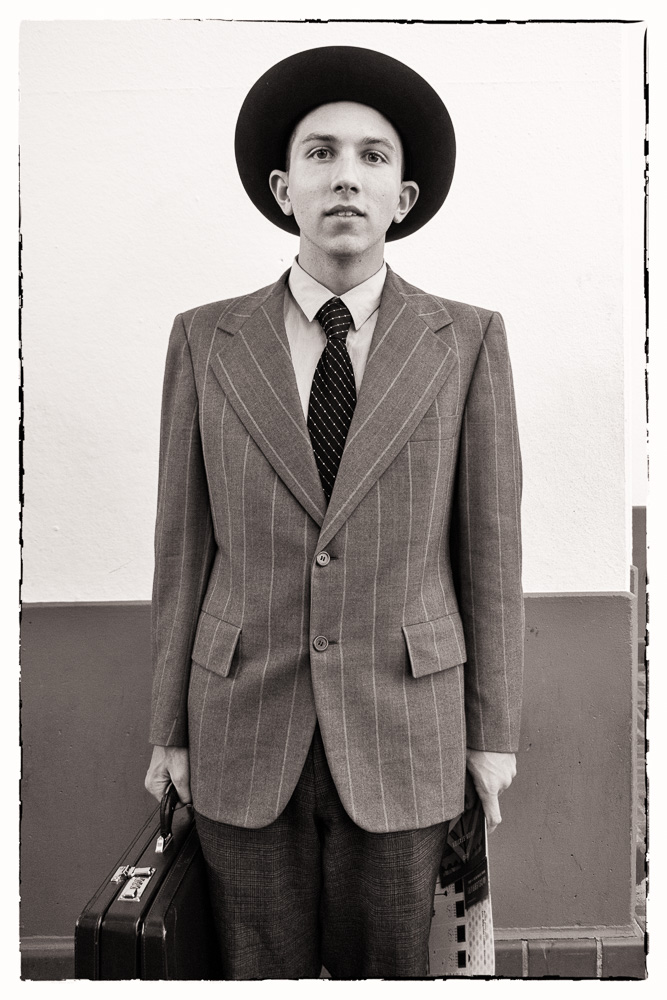
When it comes to the actual process of capturing portraits, approachability is key. Start by making eye contact and offering a friendly smile; this simple gesture can break the ice and signal that you’re interested in their story. It’s equally important to communicate your intent clearly. A brief introduction, coupled with an explanation of why you want to take their portrait, can go a long way in establishing trust. Most people appreciate being acknowledged and will respond positively to genuine interest.
Additionally, consider the environment in which you're shooting. Look for locations that resonate with the subject's personality, as this can add depth to the final image. For instance, if you're photographing a street musician, capturing them in their element can lead to more authentic and engaging portraits. Use your knowledge of light and composition to frame the subject creatively, ensuring that the background complements the portrait rather than distracts from it.
As you refine your street portrait techniques, remember to stay adaptable. Conditions can change rapidly in urban settings, so being ready to pivot and adjust your settings is crucial. Utilizing settings like aperture priority mode can help you react quickly to varying light conditions while maintaining a shallow depth of field for those dreamy backgrounds.
In the broader context of the photography world, street portraiture is evolving alongside technological advancements, particularly with the emergence of AI and computational photography. These tools are reshaping how photographers approach subjects, offering new ways to edit and enhance images post-capture. However, the human element remains irreplaceable; the connection you build with your subject is what transforms a simple photo into a powerful portrait.
CuraFeed Take: The future of street portraiture lies in the balance between human interaction and technological innovation. As photographers, we must embrace both elements to create compelling narratives. For those looking to elevate their street portrait game, investing in the right gear combined with gaining confidence in interpersonal skills will be essential. Keep an eye on emerging camera technologies that might further facilitate this genre—whether it’s improved autofocus systems that lock onto subjects or enhanced low-light capabilities that allow for shooting at dusk. Mastering street portraits is not just about capturing faces; it’s about telling stories through your lens.