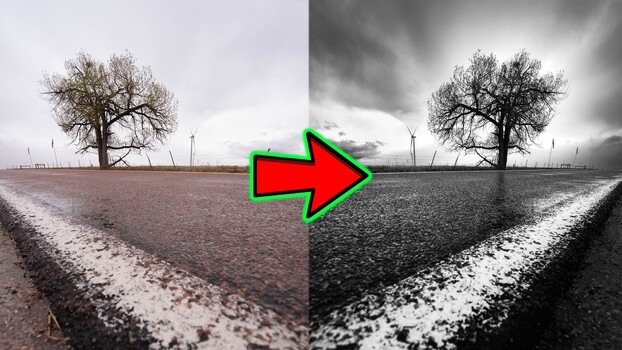
As photographers, we often find ourselves at the mercy of the elements, with unpredictable weather and shifting landscapes dictating our shooting conditions. Recently, a photographer faced the challenge of capturing stunning images on a flat, windswept stretch of Colorado grassland when their original plan to shoot the majestic Pikes Peak was thwarted by a storm. This situation underscores the reality that sometimes, less truly is more, and mastering minimalist photography can turn a seemingly mundane scene into a work of art.
Minimalist photography is an art form that requires a keen eye for detail and a deep understanding of your equipment. In this case, the photographer had to rely on their patience and technical skills to create compelling compositions amidst an expansive backdrop. The essence of minimalist landscape photography lies in emphasizing the beauty of simplicity, which can be achieved through careful selection of lenses and camera settings. For example, utilizing a prime lens with a wide aperture can help isolate subjects and create beautiful bokeh, adding depth to an otherwise flat scene.
In addition to the right glass, understanding light and composition is crucial in minimalist photography. Often, the magic happens during the golden hours of sunrise or sunset when the light casts long shadows and softens colors. A well-timed shot can make all the difference, transforming even the most unremarkable landscape into a stunning visual narrative. Using a tripod can also be beneficial, allowing for longer exposures that capture subtle movements in the grass or clouds, further enhancing the sense of tranquility and minimalism.
The world of photography is rapidly evolving, especially with the integration of advanced technology and artificial intelligence. Minimalist landscape photography is no exception, as photographers are increasingly turning to software for post-processing to fine-tune their images. Tools like Adobe Lightroom and Photoshop provide artists with the ability to adjust contrast, enhance colors, and crop images with precision. In doing so, they can elevate a simple photograph into a work of art that resonates with viewers. Knowing how to manipulate these tools effectively can be the difference between a shot that falls flat and one that captivates the audience.
Furthermore, this trend aligns with a broader shift in the photography community towards embracing minimalism, both in shooting styles and equipment. Many photographers are opting for lightweight, versatile gear that allows for mobility and ease of use in various environments. Compact mirrorless cameras paired with high-quality, lightweight lenses are becoming increasingly popular for landscape photography due to their portability and exceptional image quality. This shift also emphasizes the importance of understanding the capabilities of your gear, as well as how to leverage them in challenging conditions.
CuraFeed Take: The evolution of minimalist photography speaks volumes about the current state of the photographic landscape. Those who can adapt and utilize technology to enhance their work will undoubtedly thrive, while others may struggle to keep up. As photographers continue to explore and push the boundaries of minimalism, it will be essential to stay informed about the latest gear advancements and software developments. Keep an eye on emerging trends in equipment and post-processing techniques, as they will shape the future of landscape photography and inspire new creative possibilities.