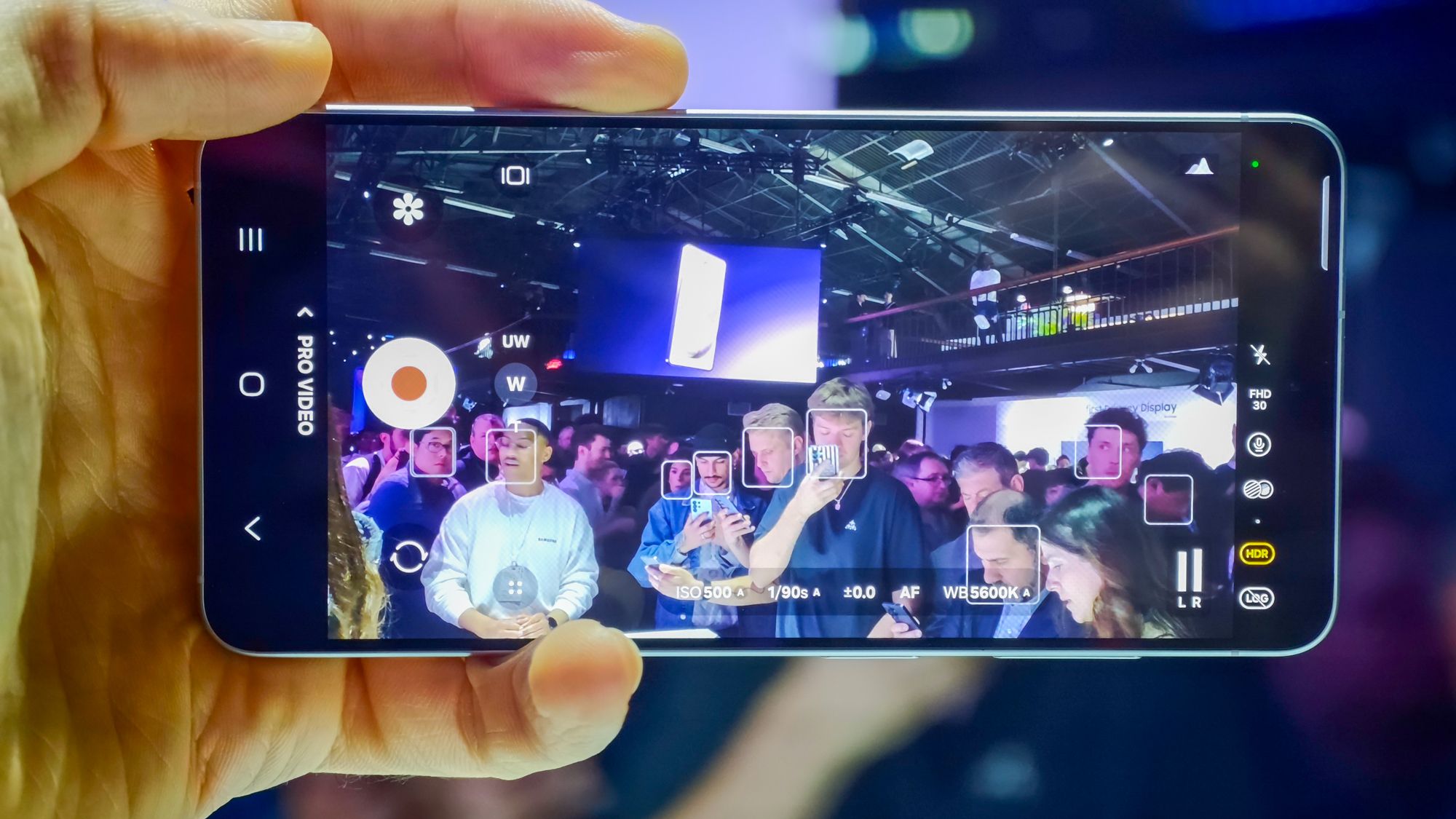
In today's rapidly evolving landscape of smartphone technology, the integration of artificial intelligence (AI) into camera systems has become a game-changer. With brands like Apple, Google, and Samsung pushing the boundaries of what mobile photography can achieve, the question arises: is this relentless pursuit of perfection leading us to a place where the true essence of photography is at risk? The latest models are equipped with software that not only enhances images but also alters them in ways that may distort reality, prompting both excitement and concern among photography enthusiasts.
Leading the charge, Google’s Pixel series has long been celebrated for its computational photography prowess. The recent Pixel 8 has taken this to new heights, employing sophisticated algorithms that can adjust lighting, enhance colors, and even reconstruct details in ways that were previously unimaginable. Similarly, Apple’s iPhone 15 incorporates advanced AI features like Smart HDR and Night Mode, which promise stunning results even in challenging conditions. However, these enhancements come with a caveat: they could potentially compromise the authenticity of captured moments. As these technologies advance, they raise ethical questions about the nature of truth in photography, especially when images can be manipulated to such an extent.
The implications of AI in smartphone photography extend beyond mere image enhancement. The competition among manufacturers to deliver the "best" camera experience has led to a race where features like multi-frame processing and scene optimization can result in images that no longer reflect reality. This shift has sparked a broader conversation about the role of photography as a medium of truth. In an era where social media thrives on visual content, the pressure to present a polished version of reality can overshadow the raw, unfiltered moments that have traditionally defined photography.
Within the broader context of the AI landscape, we are witnessing a significant moment in the evolution of technology and creativity. The rise of AI-driven photography tools aligns with a growing trend in various fields, from art to journalism, where the line between reality and digital manipulation becomes increasingly blurred. While some may argue that these advancements democratize photography by making it accessible to all, others express concern that they undermine the skill and artistry that define the medium.
CuraFeed Take: The encroachment of AI on smartphone photography is a double-edged sword. On one hand, it empowers users with tools that can produce stunning images with minimal effort. On the other hand, it raises pressing questions about authenticity and the value of "real" photography. As photographers, we must navigate this new terrain carefully, balancing the allure of technological advancements with our commitment to capturing genuine moments. Moving forward, it's essential to advocate for transparency in how images are created and manipulated, ensuring that the art of photography retains its integrity amid these technological innovations. The future will demand a critical eye, both in the images we create and those we consume.