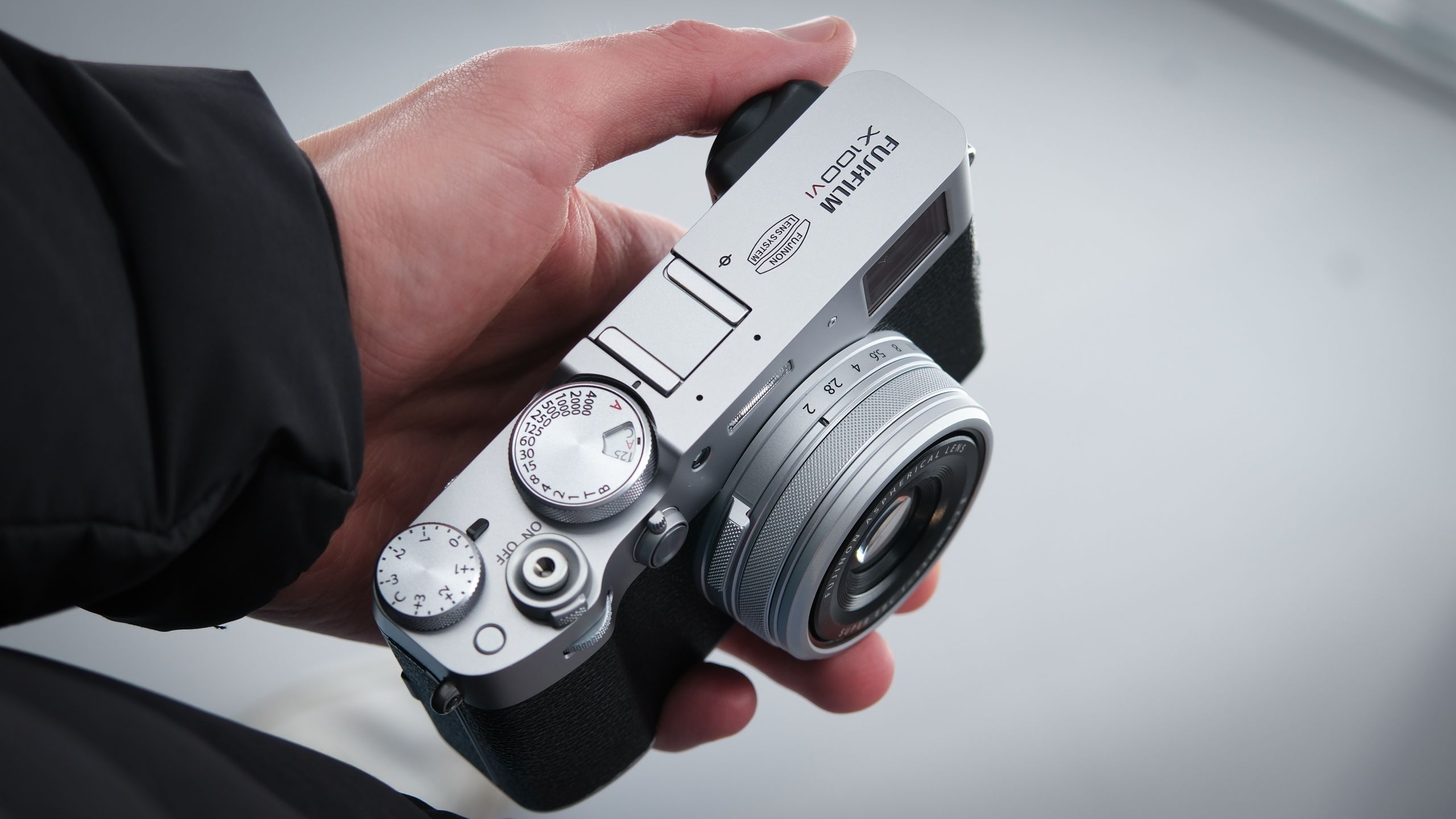
In an era where digital photography reigns supreme, it’s refreshing to see a company embrace nostalgia while innovating for the future. Fujifilm has been making waves recently, not only for its retro-styled cameras but also for securing a spot on TIME's list of the 100 Most Influential Companies of 2026, thanks to its wildly popular Instax line. This recognition underscores a significant shift in consumer behavior where instant photography is not just a trend, but a lifestyle choice.
The Instax series, which includes various models like the Instax Mini 11 and the recently launched Instax Mini 40, has captured the hearts of both seasoned photographers and newcomers alike. These cameras are designed to provide instant gratification, allowing users to print photos on the spot, fostering a sense of connection that digital screens often lack. With features like automatic exposure and a sleek design, these cameras are easy to use and perfect for capturing spontaneous moments.
Fujifilm's success with the Instax line is a testament to the brand's ability to merge classic photography with modern technology. The cameras boast a variety of film formats, including the credit card-sized Instax Mini film and the larger Instax Wide, catering to different preferences. The company has also expanded its offerings with accessories and prints, allowing users to customize their instant photos, further enhancing the appeal of this format.
Understanding the broader context, Fujifilm's rise in popularity with the Instax line reflects a growing trend towards tangible photography experiences in a digital world. As consumers increasingly seek authenticity and personal connections, instant cameras provide an appealing alternative to the myriad of digital devices. This trend is part of a larger movement where brands are recognizing the importance of capturing moments in a physical format, appealing especially to millennials and Gen Z who value experiences over possessions.
CuraFeed Take: Fujifilm's recognition as one of TIME's Most Influential Companies is a clear indicator of a shift in the photography landscape. While traditional digital cameras are still essential, the success of the Instax line highlights a significant opportunity for instant photography to thrive. Moving forward, we should keep an eye on how Fujifilm continues to innovate within this space, potentially setting trends that could redefine how we capture and share memories. As competitors emerge, the real challenge will be to balance nostalgia with technological advancements, ensuring that the joy of instant photography remains at the forefront.