In the ever-evolving world of photography, gear choices have become more than just personal preference; they reflect the rapid advancements in technology and the shifting landscape of professional needs. The recent switch of a long-time Canon shooter to the Nikon Z 8 has sparked discussions among photographers about what makes a camera truly stand out in a crowded market. With Nikon's acquisition of Red Cinema generating buzz, the Z 8 has emerged as a contender that demands attention, especially from those who value performance over brand loyalty.
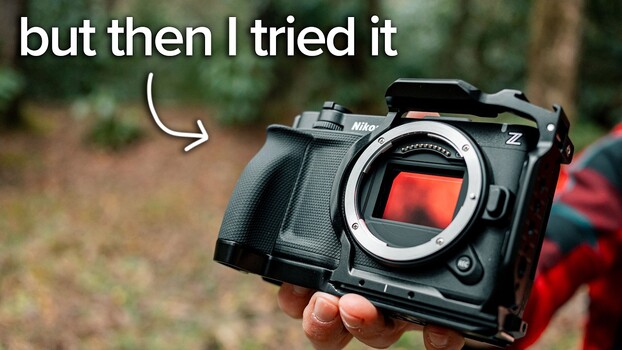
The Nikon Z 8, introduced as Nikon's flagship mirrorless camera, boasts a plethora of specifications that cater to both enthusiasts and professionals. With features such as a 45.7 MP full-frame sensor, 8K video recording, and a continuous shooting speed of up to 20 frames per second, the Z 8 is engineered for high-performance shooting. The camera’s dual card slots and robust weather-sealed body further position it as a reliable choice for various shooting environments. But what truly sets it apart is the innovative autofocus system that uses deep learning technology, ensuring that even the most challenging subjects remain sharp and in focus.
For a photographer who has spent years using Canon equipment, the decision to switch to Nikon wasn't made lightly. Many professionals develop a strong attachment to their gear, often citing brand loyalty as a key factor in their equipment choices. However, this Canon shooter found themselves drawn to the Z 8 not only because of its cutting-edge specs but also due to real-world performance that surpassed expectations. After years of shooting with a Red camera, the transition to the Z 8 was initially approached with skepticism, but the results were anything but underwhelming. The seamless integration of advanced features with user-friendly controls impressed this photographer, who discovered that the Z 8 could significantly enhance their workflow.
In the broader context of the photography industry, the shift from Canon to Nikon reflects a growing trend where photographers are increasingly willing to explore new brands in search of the best tools for their craft. As camera technology evolves, manufacturers are continuously pushing the envelope, and photographers are reminded that the best choice is not always dictated by brand loyalty. The emergence of hybrid shooting capabilities—combining exceptional still photography with high-quality video—has led many professionals to reevaluate their equipment choices. The Nikon Z 8 is a prime example of a camera that successfully bridges the gap between stills and motion, making it an appealing option for those who thrive in both arenas.
CuraFeed Take: This remarkable switch underscores a pivotal moment in the photography world where specifications and performance take precedence over brand allegiance. As more photographers recognize the value of exploring alternative brands, Nikon's Z 8 is positioned to gain traction among pros looking for a competitive edge. The implications for Canon and other manufacturers are clear: they must innovate and adapt to retain their loyal customer base. As we move forward, it will be fascinating to observe how these shifts influence product offerings and the competitive landscape, encouraging manufacturers to continuously improve their technologies to meet the evolving demands of photographers.