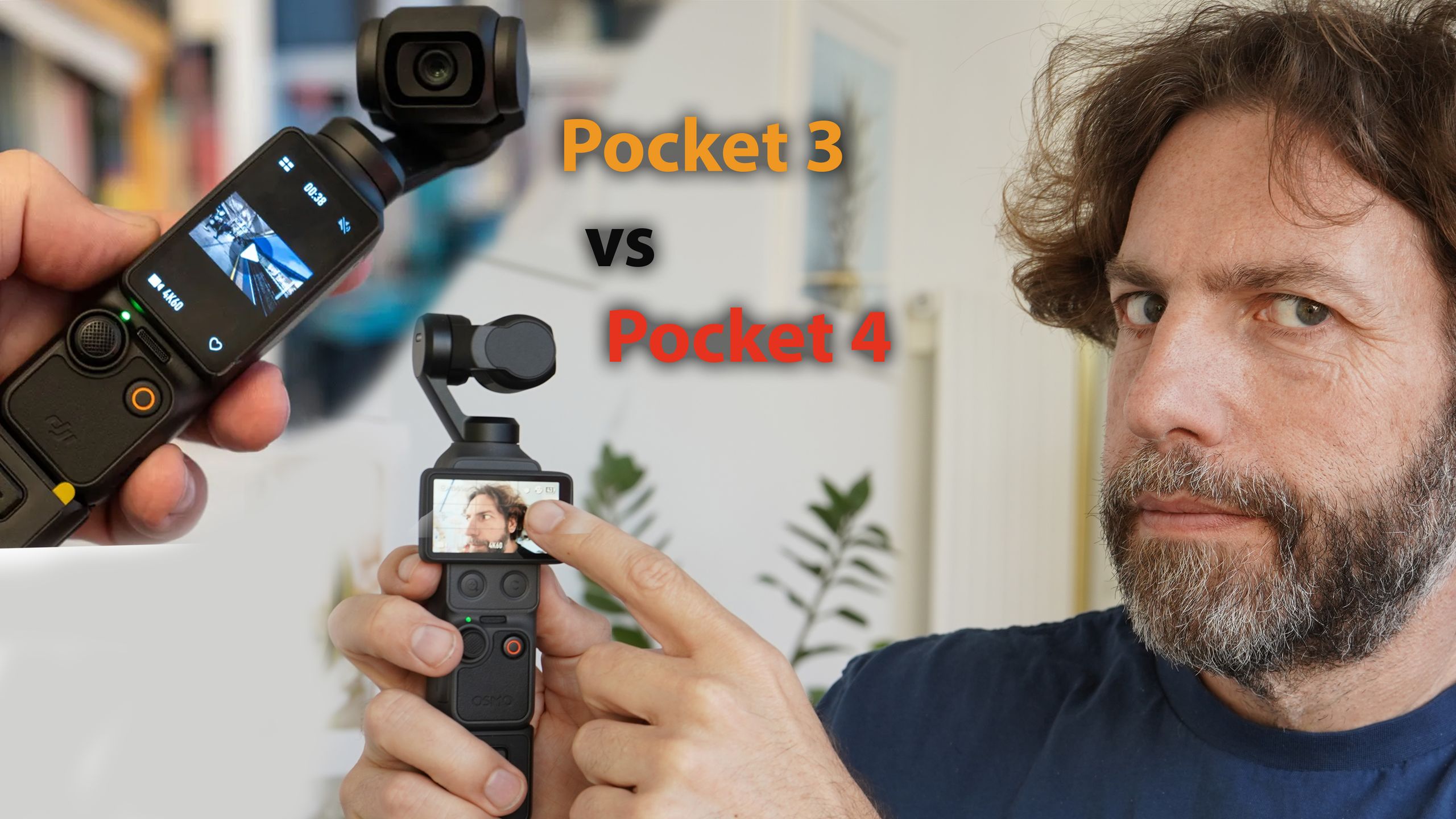
As the world of photography and videography continues to evolve, compact gimbal cameras are becoming essential tools for creators who prioritize stabilization and portability. Among the leading contenders in this space are the DJI Osmo Pocket 3 and its successor, the Osmo Pocket 4. With the recent launch of the Pocket 4, now is the perfect time to dive into the enhancements it offers and how it stacks up against its predecessor, especially for those looking to capture high-quality footage on the go.
The DJI Osmo Pocket 4 brings some notable upgrades that could sway your decision if you're considering an upgrade or are new to the gimbal camera market. One of the most significant improvements is its enhanced sensor capabilities. The Pocket 4 features a 1/1.7-inch sensor compared to the 1/2.3-inch sensor in the Pocket 3, allowing for better low-light performance and improved dynamic range. This is crucial for photographers and videographers who often shoot in less-than-ideal lighting conditions.
Moreover, the Pocket 4 comes equipped with a new 4K/120fps video recording capability, while the Pocket 3 maxes out at 4K/60fps. This means smoother slow-motion capture, which can elevate your storytelling. Additionally, the Pocket 4 introduces advanced features like 10-bit color depth and HDR video support, offering filmmakers greater flexibility in post-production. With a slight increase in weight and size, the new model still maintains a compact form factor that is easy to carry around.
In terms of usability, both models retain their intuitive touchscreen interface, but the Pocket 4 enhances this with a slightly larger display, making navigation easier. The battery life in the Pocket 4 also sees improvements, providing longer shooting times for those extended days of shooting. However, the pricing is another factor to consider; the Osmo Pocket 4 is positioned at a higher price point than the Pocket 3, which could sway budget-conscious buyers.
Understanding how these models fit within the broader context of the gimbal camera landscape is essential. Gimbal cameras are now more than just tools for stabilization; they have become integral to storytelling across various platforms, from social media to professional filmmaking. The advancements in AI-driven stabilization and intelligent shooting modes are pushing brands like DJI to innovate rapidly. This competition is beneficial for consumers, as it leads to better features and affordability over time.
CuraFeed Take: The DJI Osmo Pocket 4 undeniably edges out its predecessor with superior sensor technology, enhanced video capabilities, and improved battery life, making it a strong choice for serious creators. However, for those who are casual users or are just starting, the Pocket 3 still offers incredible value and performance at a lower price point. As the gimbal camera market continues to evolve, keep an eye on upcoming models and updates from DJI and competitors; innovation is accelerating, and the next generation of compact cameras is just around the corner.