In an era where cityscapes intertwine with nature, urban wildlife photography has emerged as a thrilling niche for photographers seeking to explore the beauty of nature right in their backyards. With the recent rise of wildlife inhabiting urban environments, the opportunity to photograph these fascinating creatures has never been more accessible. No longer do you need to embark on expensive safaris or wilderness treks; instead, you can grab your camera and head to your local park or even your backyard.
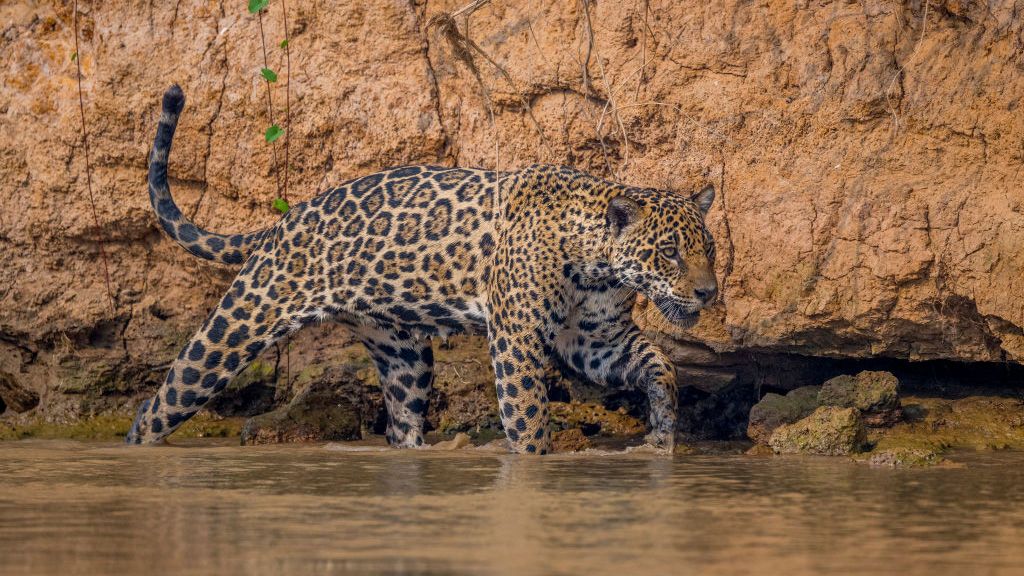
Urban wildlife photography allows you to capture a diverse range of species, from the common squirrel to majestic birds of prey. This new frontier in photography not only broadens your portfolio but also brings awareness to the incredible adaptability of wildlife in urban settings. For those just starting out, understanding the right equipment is crucial to making the most of your photographic journey.
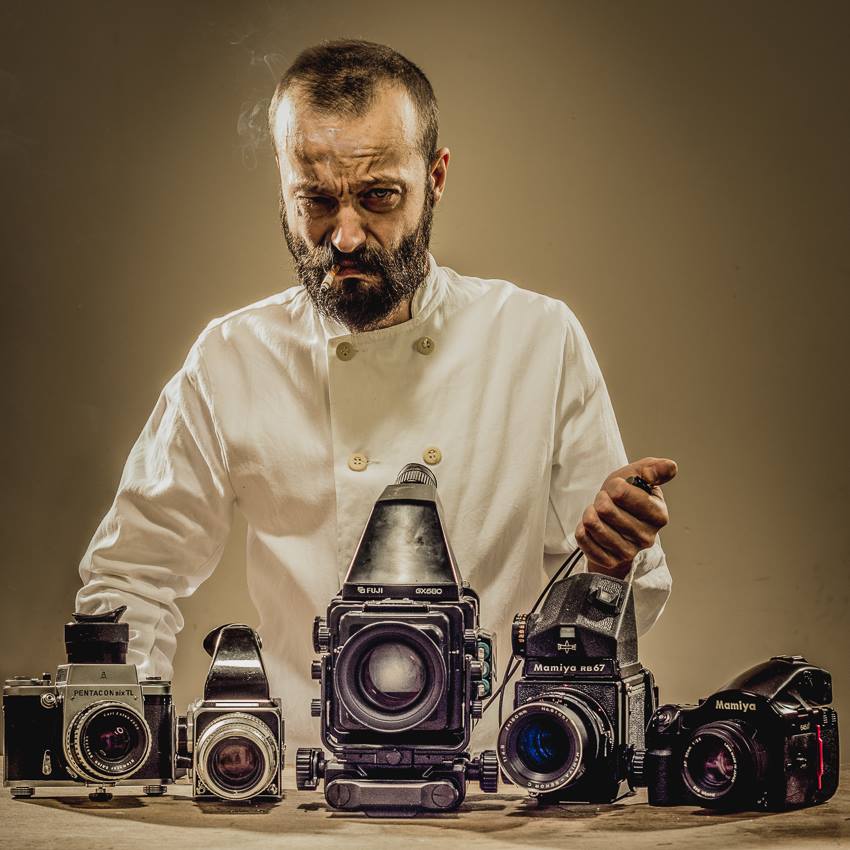
When diving into urban wildlife photography, choosing the right camera and lens can significantly impact your results. A DSLR or mirrorless camera equipped with a versatile zoom lens, such as a 24-70mm or 70-200mm, is ideal for capturing subjects at varying distances. This combination allows you to frame tight shots of small critters while also giving you the flexibility to capture wider landscapes where wildlife may be present. Additionally, consider using a lens with a fast aperture, like f/2.8, to enhance your ability to shoot in low-light conditions, such as during dawn or dusk when many urban animals are most active.
Beyond the camera and lens, having a sturdy tripod or monopod can help stabilize your shots, especially if you're using a longer lens. This equipment is crucial for minimizing camera shake and ensuring sharp images, particularly when shooting at slower shutter speeds. Moreover, a good pair of binoculars can enhance your wildlife spotting abilities, allowing you to identify potential subjects before bringing your camera into play.
In addition to the technical aspects of gear, it’s important to understand the behavioral patterns of urban wildlife. Observing animals from a distance and being patient can lead to breathtaking captures. For example, knowing the feeding habits of local birds or the times when rabbits are most active can significantly increase your chances of getting that perfect shot. Utilize online resources or local wildlife guides to familiarize yourself with the species in your area, and always be respectful of their habitats.
The rise of urban wildlife photography is part of a larger trend in the photography world, where accessibility and environmental awareness are becoming increasingly important. As cities expand, so does the wildlife that adapts to these environments. Photographers are now in a unique position to document these changes and highlight the beauty of nature coexisting with urban life. This emerging genre not only enriches the photographer's portfolio but also serves a greater purpose by raising awareness about the ecological balance within urban areas.
CuraFeed Take: Urban wildlife photography is not just a trend—it's a powerful way to connect with our environment and showcase its resilience. As photographers embrace this niche, the real win lies in the dual opportunity to hone technical skills and advocate for local wildlife. Moving forward, keep an eye on how this genre evolves, particularly with advancements in camera technology that may further enhance our ability to photograph elusive urban creatures. The next big thing might just be a stunning shot of a fox peeking through a cityscape!