The world of photography is undergoing a constant evolution, and as we find ourselves in 2026, the importance of lens filters has grown significantly. While some gear seems to come and go, filters remain a staple in the bags of serious photographers. Their ability to enhance image quality, manage light, and protect expensive lenses makes them essential tools for any photographer looking to take their work to the next level.
But not all filters are created equal. The right lens filter can make a significant difference in your images, while a poor-quality filter can detract from them. In this article, we’ll explore the best lens filters available this year, focusing on essential aspects such as glass quality, coating, and practical applications. Whether you’re a landscape photographer looking to reduce glare or a portrait photographer needing color correction, we’ve got you covered.
First up, let’s examine the polarizing filters. These are crucial for cutting through reflections and enhancing color saturation, especially in outdoor photography. The B+W Kaesemann Circular Polarizer stands out with its high-quality Schott glass and multi-coated surface, ensuring minimal light loss while maximizing contrast. Priced around $130, it's a solid investment for any serious photographer. Alternatively, the Hoya HD Digital Circular Polarizer also offers excellent performance with a price tag of approximately $90, making it a great choice for those on a budget.
Next, we have ND filters, which allow for longer exposure times without overexposing images. The Lee Filters Little Stopper is a favorite among landscape photographers, offering a 6-stop reduction in light with exceptional color neutrality. Priced near $100, it’s a worthwhile addition for anyone looking to capture smooth waterfalls or silky skies. For a more affordable option, the Tiffen Variable ND Filter is a versatile choice that lets you adjust the density from 2 to 8 stops, available for about $75.
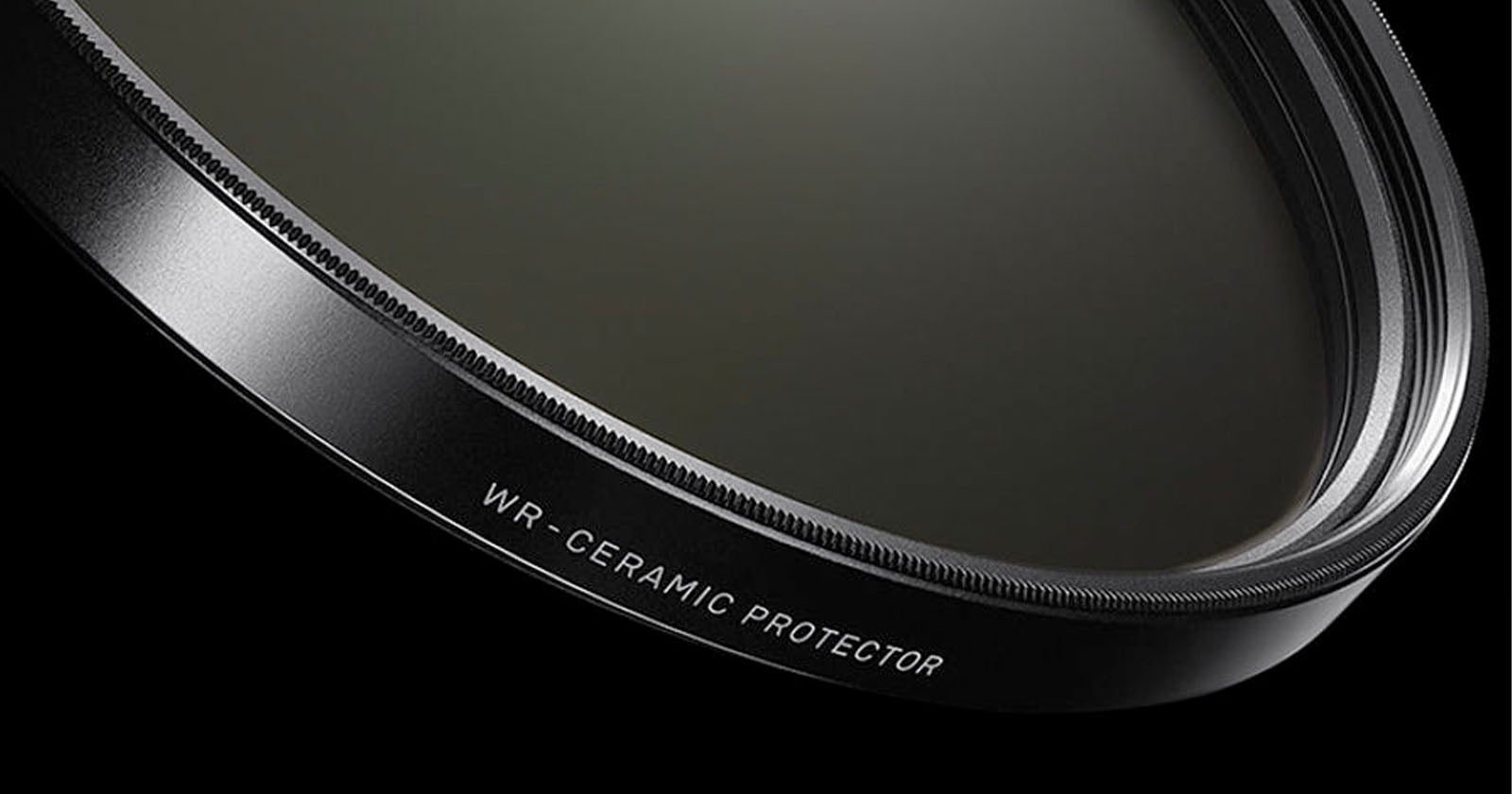
Don’t overlook UV filters, which serve primarily as lens protectors but can also help reduce haze. The Hoya UV HMC Filter is highly rated, featuring a multi-coated design that minimizes flare and ghosting, priced around $40. For those seeking a more premium option, consider the B+W UV Filter with MRC, renowned for its durability and optical clarity, typically costing $70.
As we consider the context of these filters, it’s crucial to acknowledge the larger landscape of photography equipment and how advancements in technology are influencing our choices. With the rise of mirrorless cameras and improved sensor technology, the demand for high-quality lens filters is becoming more pronounced. Professionals and enthusiasts alike are seeking gear that enhances their capabilities, and filters play a pivotal role in that equation.
CuraFeed Take: The lens filter market is evolving, and the emphasis is on quality over quantity. Photographers must carefully consider their options and invest in filters that genuinely offer value. Expect to see a trend toward multi-functional filters that combine features, such as polarizing and ND capabilities, as manufacturers cater to the growing demand for versatile tools. As we move forward, watch for innovations that push the boundaries of what lens filters can achieve, further enhancing the creative possibilities available to photographers.