In an era where photography is evolving rapidly, Mila Rae Sarabhai stands out with her thought-provoking exhibition at Kyotographie, aptly named KG+ Select. Her work, which recently garnered the British Journal of Photography Mention, showcases a distinctive approach that challenges conventional photographic narratives. As photographers, we often find ourselves caught up in the technicalities of gear and settings, but Sarabhai invites us to step back and consider the broader implications of our craft.
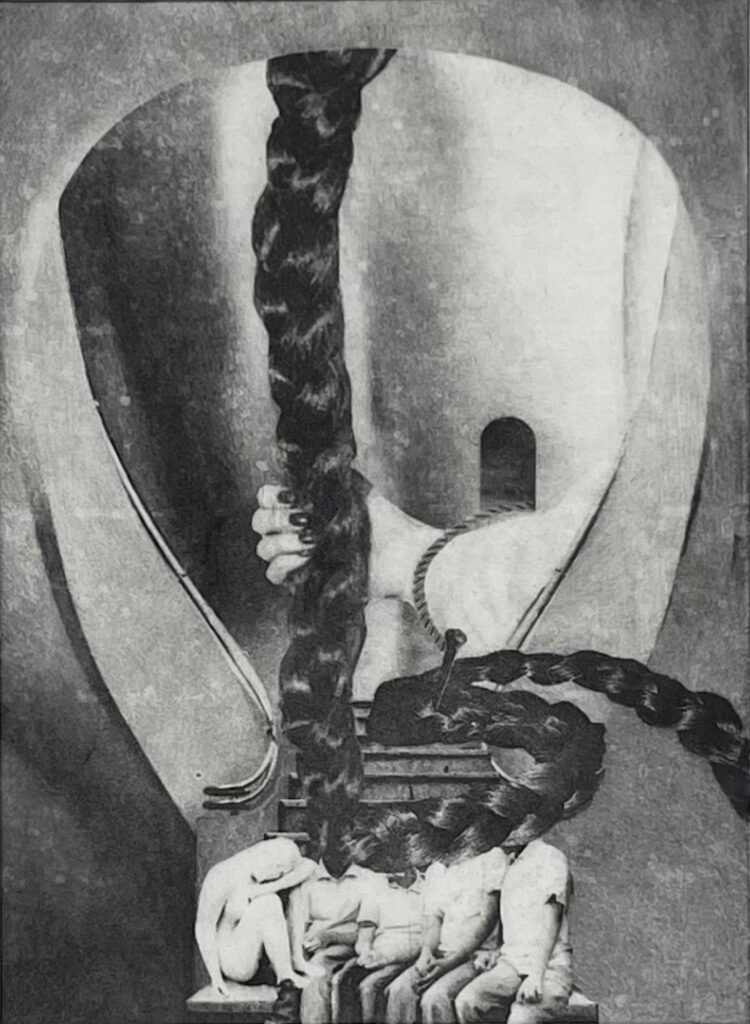
At the heart of Sarabhai's work are her intricate collages and installations, which blend traditional photographic techniques with modern digital manipulation. Utilizing a diverse range of materials, she constructs visual narratives that urge viewers to rethink colonial histories and their visual representations. This decolonized perspective is not just a thematic choice; it is a call for photographers to explore how their equipment and methods can contribute to more inclusive storytelling. With a keen focus on the interplay between light, texture, and cultural context, Sarabhai emphasizes the need for photographers to engage with their subjects on a deeper level.
Her installations are a testament to this philosophy, as they embody a tactile quality that often eludes digital photography. By incorporating elements such as fabric and found objects, Sarabhai creates immersive experiences that transcend the limitations of traditional prints. This innovative use of mixed media not only enhances the visual appeal of her work but also encourages photographers to experiment with their own materials and techniques. As we navigate the landscape of modern photography, Sarabhai's approach serves as a reminder that the medium is not just about capturing moments but also about the stories we choose to tell.
In the broader context of the photographic landscape, Sarabhai's work aligns with a growing movement among photographers to challenge the status quo. As the industry grapples with issues of representation and inclusivity, her decolonized approach resonates with many who seek to redefine the narrative surrounding visual art. This shift is particularly relevant in an age dominated by social media and instant sharing, where the authenticity of images is often questioned. Photographers are increasingly called upon to reflect on their practices, questioning who is represented in their work and how they can use their skills to foster dialogue and understanding.
CuraFeed Take: Sarabhai's innovative approach not only elevates her own work but also sets a precedent for the future of photography. As more photographers embrace decolonized methodologies, we can expect a richer tapestry of visual storytelling that reflects diverse perspectives and experiences. This shift could ultimately lead to a more inclusive industry, where the voices of marginalized communities are amplified through thoughtful and intentional practices. Photographers should pay attention to this movement, as it may reshape the way we view and create photographic art in the years to come.