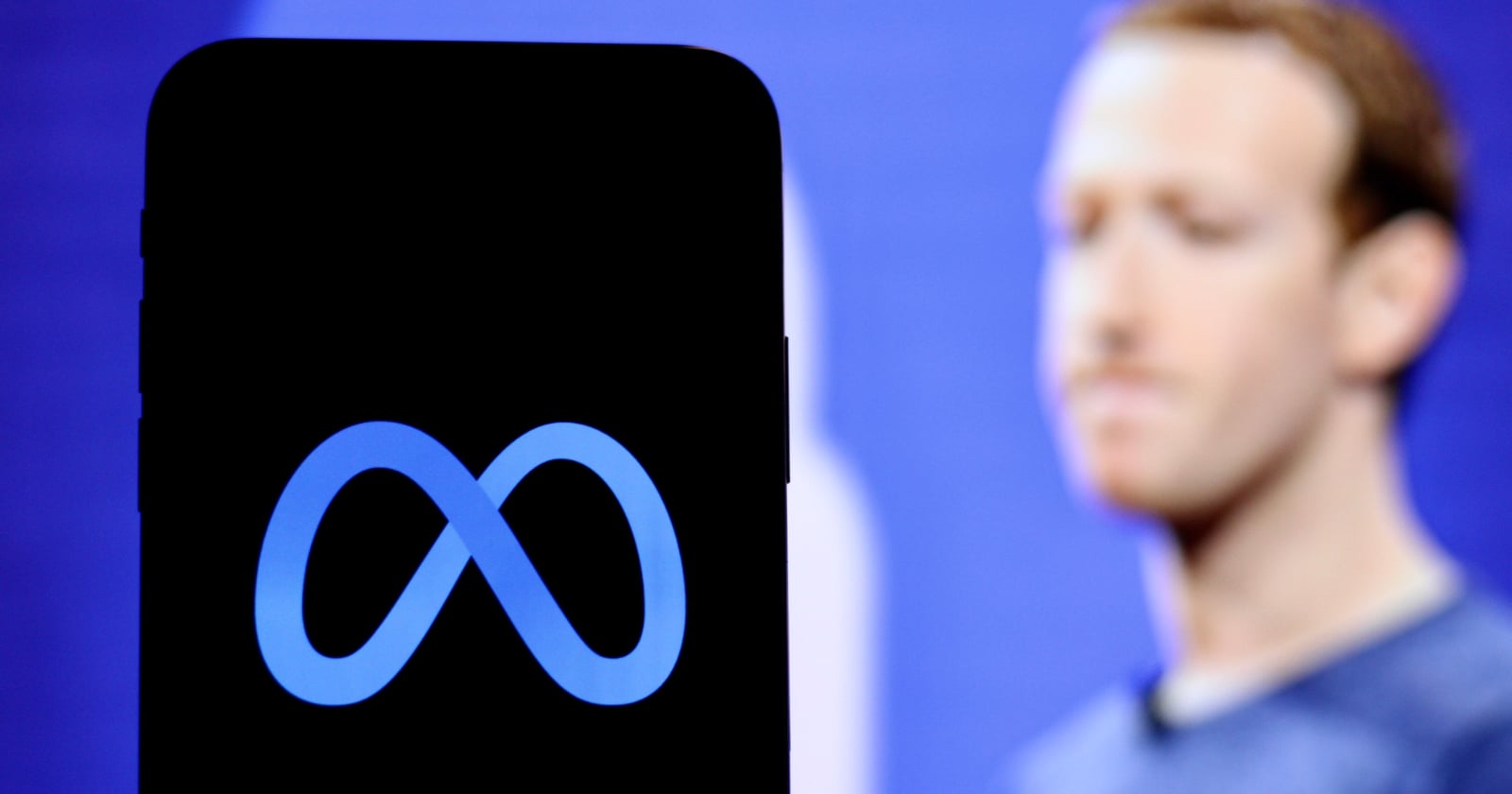
The world of artificial intelligence is evolving at a breakneck pace, with companies like Meta at the forefront of innovation. However, the rapid advancements in AI technology have also raised significant ethical questions, especially regarding the use of copyrighted content for training these systems. Recently, a coalition of five major publishing houses and a bestselling novelist has launched a lawsuit against Meta, claiming that Mark Zuckerberg himself "personally authorized" the infringement of their copyrighted works to develop the Llama AI language model. This conflict underscores a crucial moment in the ongoing dialogue about intellectual property rights in the digital age.
The lawsuit, which was filed in a federal court, asserts that Meta's Llama AI was trained on millions of copyrighted texts without securing the necessary licenses. Notably, the plaintiffs include some of the most influential names in publishing, which adds weight to their claims. They argue that the use of their proprietary content not only violates copyright laws but also undermines the creative economy. With AI technologies increasingly utilized for content generation, the line between inspiration and infringement is becoming increasingly blurred, raising urgent questions about the rights of original creators.
Mark Zuckerberg's alleged involvement is particularly striking. As the CEO of Meta, his direct authorization of such actions could have far-reaching implications for the company. If found liable, Meta could face hefty fines and be forced to reevaluate its AI training protocols, which may include revisiting the way it sources content for training its models. This situation could also inspire other companies in the tech space to reassess their own practices, potentially leading to a seismic shift in how AI models are developed.
In the broader context of the AI landscape, this lawsuit is part of a growing trend where creators are pushing back against tech companies that utilize their work without proper compensation. As AI technologies become more integrated into everyday applications—from photography and writing to music and art—the debate over copyright becomes increasingly relevant. Industry experts predict that this case could set a precedent for how AI is trained and the kinds of content that can be legally used without permission.
CuraFeed Take: The implications of this lawsuit extend far beyond Meta and the publishing industry. If the plaintiffs succeed, it could lead to tighter regulations surrounding AI training practices and encourage the tech industry to adopt more transparent and fair usage policies. Photographers, writers, and creators of all kinds should keep a close eye on this case, as its outcome could redefine the relationship between human creativity and artificial intelligence. As the legal landscape evolves, content creators might finally gain the leverage they need to protect their works in an AI-driven world.