As the sun rises, a photographer preps for a whirlwind of activity that lies ahead. Clad in a simple black t-shirt and dark blazer, they haul heavy bags filled with camera equipment down the stairs of their apartment in Stockholm. This isn’t just any job; it’s the exhilarating world of event photography, where capturing fleeting moments requires not just skill, but the right gear at the right time. For photographers, understanding what lies beneath the surface of this demanding profession is crucial—especially now, as the industry sees an uptick in high-profile events and an increasing demand for quality imagery.
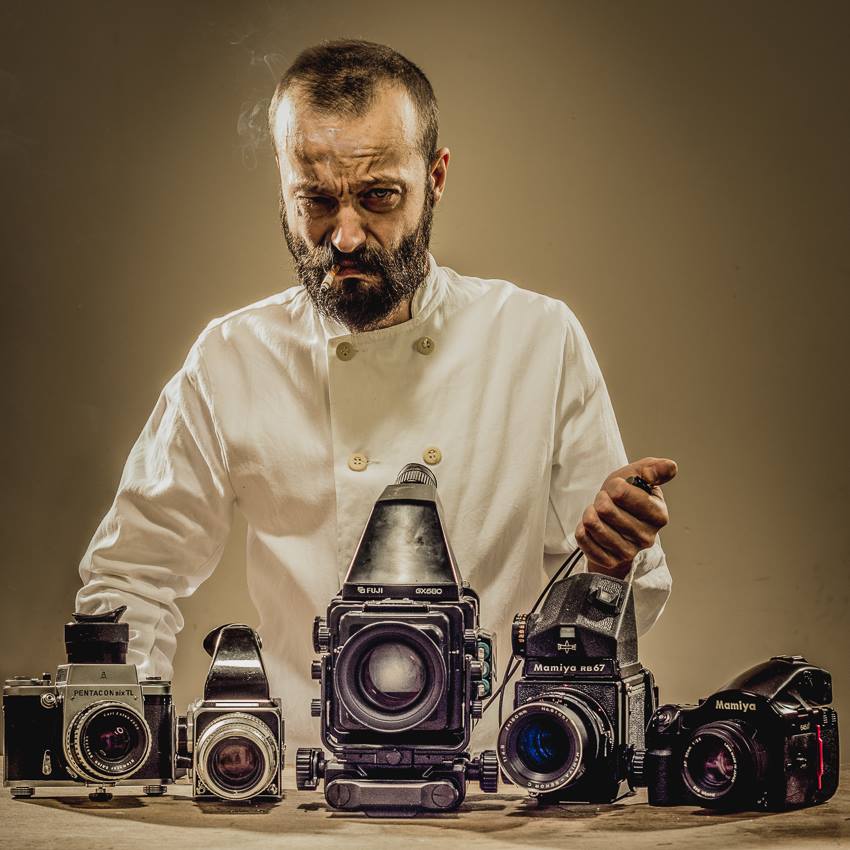
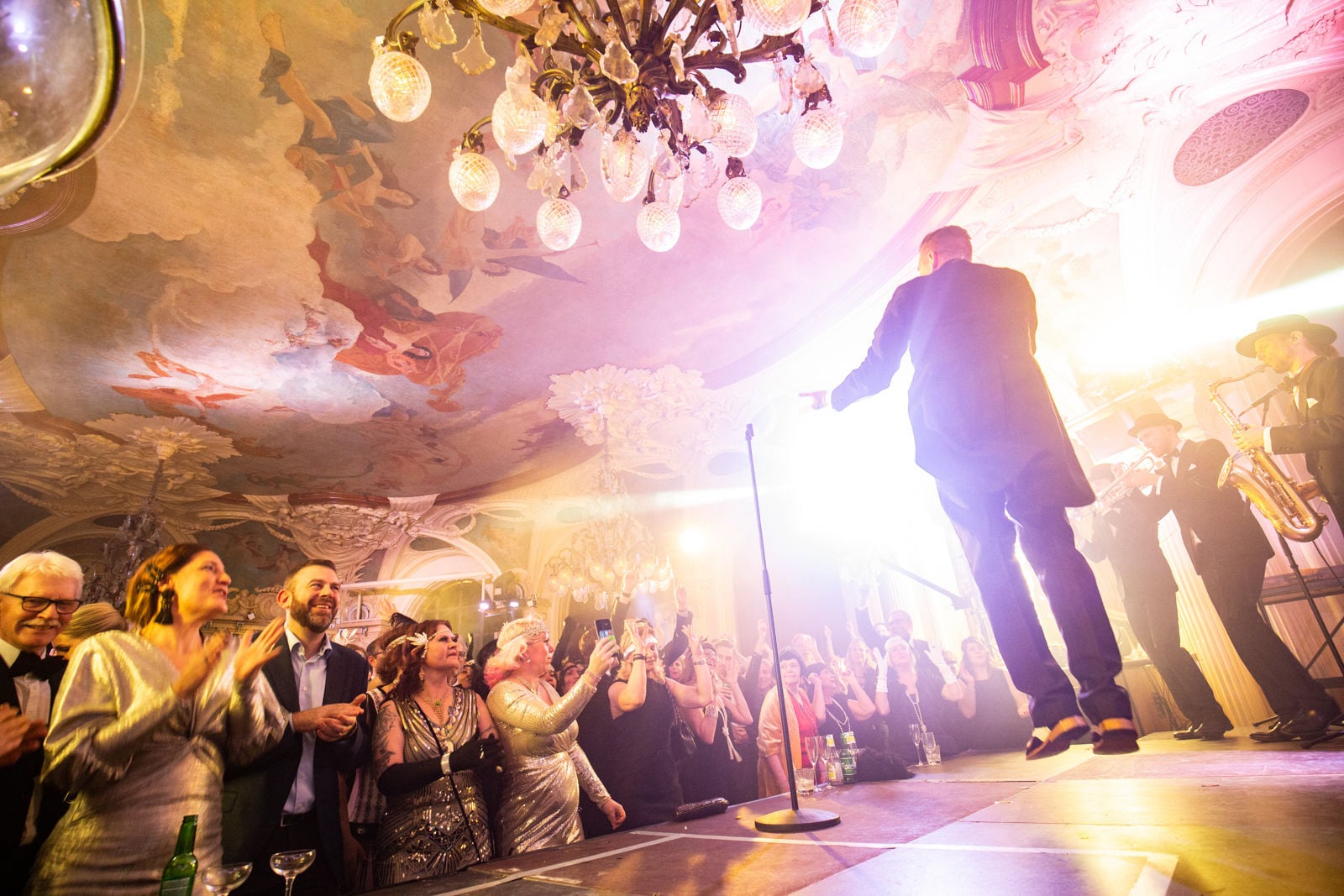
Event photographers often find themselves juggling multiple roles, from the initial setup to navigating various lighting conditions and managing client expectations. They arrive at venues like the Stockholm Waterfront, where multi-day events can range from corporate gatherings to elegant weddings. Each occasion presents unique challenges, requiring a versatile arsenal of equipment. A typical kit might include a full-frame DSLR or mirrorless camera, fast prime and zoom lenses, external flashes, and possibly even a drone for aerial shots. The choice of gear is critical; for instance, a lens with a wide maximum aperture—like an 85mm f/1.4—can make a huge difference in low-light situations, delivering beautifully blurred backgrounds while keeping the subject in sharp focus.
Moreover, photographers must master their tools. Knowing how to switch quickly between settings on a camera, understanding the nuances of ISO, shutter speed, and aperture can mean the difference between a stunning shot and a missed opportunity. During high-energy events, moments happen in the blink of an eye; capturing them requires not only technical skill but also familiarity with the gear. The best event photographers can adapt, often relying on a combination of high-performance equipment and their own creative intuition. For example, the Canon EOS R5 or the Nikon Z9 are favorites among professionals due to their exceptional autofocus capabilities and high burst rates, perfect for fast-paced environments.
In today’s photography landscape, where social media and instant sharing reign supreme, the demand for high-quality event photography has surged. As clients expect not only to have their events documented but also to receive those images almost immediately, photographers are under pressure to deliver quickly while maintaining exceptional quality. This has led to a rise in the adoption of advanced technologies, including image transmission tools and editing software that streamline the workflow from capture to delivery.
Looking at the broader context, the rise of artificial intelligence in photography is also starting to influence event photography. AI-driven tools are now available for quick edits, automated tagging, and even optimizing images for social media platforms, allowing photographers to focus more on their craft rather than the tedious post-processing work. In the coming years, we can expect to see more integration of AI technologies that will further enhance workflow efficiency and creativity.
CuraFeed Take: The landscape of event photography is evolving, and those who can adapt to the changing demands will thrive. The winners in this space will be photographers who invest in versatile gear and adopt new technologies that streamline their workflow. As the industry grows and client expectations rise, keep an eye on emerging tools and trends that could redefine how we capture and share life's most significant moments. Whether you’re a seasoned pro or just starting, understanding the intricacies of this field will only enhance your ability to create breathtaking images.