In the world of photography, autofocus (AF) is often taken for granted, yet it represents one of the most significant advancements in camera technology. For photographers, the ability to capture sharp images with minimal effort is invaluable. As we navigate a rapidly evolving landscape of camera gear, it’s crucial to appreciate how autofocus has progressed over the years, shaping the way we shoot and interact with our equipment.
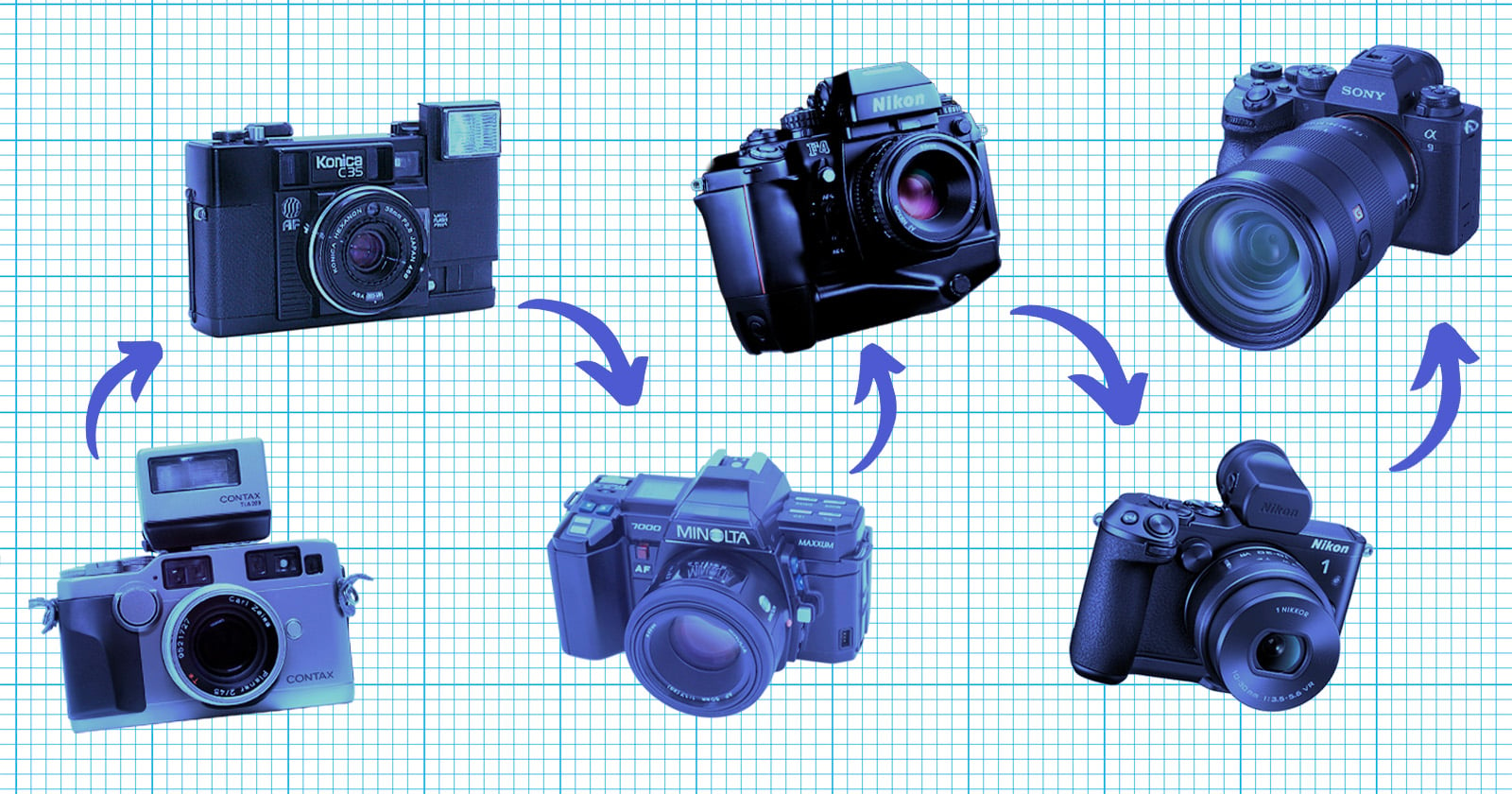
The journey of autofocus began with rangefinder cameras in the mid-20th century, which relied on a manual system that required the photographer to estimate distance. This method, while innovative for its time, often resulted in missed opportunities for perfect shots. Fast forward to the 1970s, when the first phase-detection autofocus systems emerged, providing faster and more accurate focusing by measuring the convergence of light beams. This technology quickly became a standard feature in SLR cameras, allowing photographers to focus on subjects in motion, a game changer for sports and wildlife photography.
As digital cameras entered the scene in the late 1990s, autofocus systems continued to improve. Canon and Nikon led the charge with their respective Dual Pixel and 3D Tracking technologies, which significantly enhanced the focusing capabilities of DSLRs. These advancements allowed for quicker acquisition of focus, even in challenging lighting conditions, making them indispensable tools for professionals and enthusiasts alike. In recent years, mirrorless cameras have taken autofocus to new heights—with systems that utilize contrast detection, phase detection, and AI-driven subject recognition. This synergy of technology allows for rapid focus adjustment on moving subjects, making it easier to capture that fleeting moment with precision.
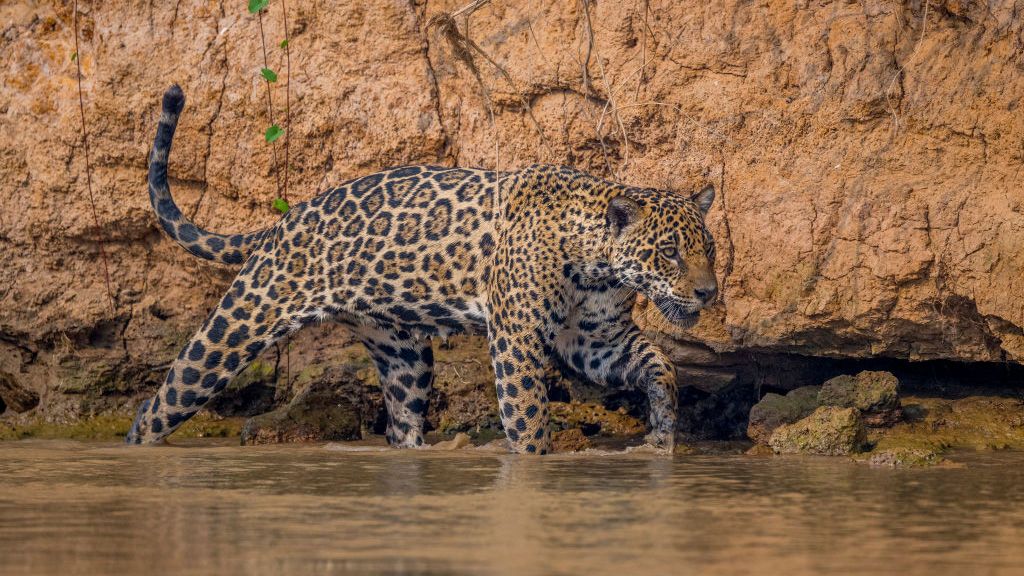
The rise of AI in autofocus systems has revolutionized how photographers approach their craft. Today's cameras can recognize faces, animals, and even specific objects, adjusting focus seamlessly to keep them sharp. This is particularly beneficial for portrait photographers, who can rely on advanced eye-tracking capabilities, ensuring that subjects' eyes remain crystal clear, even when they shift or move. The integration of machine learning algorithms allows these systems to become more intuitive over time, adapting to a photographer's style and preferences.
This rapid evolution of autofocus technology reflects broader trends in the imaging industry, where innovation is driven by the demand for higher performance and versatility. As photographers increasingly seek gear that simplifies their workflow, manufacturers are responding with advanced features that cater to both amateur and professional needs. The development of autofocus is a prime example of how technology shapes creative expression, allowing photographers to focus more on their vision rather than technical limitations.
CuraFeed Take: The evolution of autofocus is not just a technical feat; it’s a paradigm shift that empowers photographers to unleash their creativity. As we look to the future, we can expect even more sophisticated systems that will continue to blur the lines between human intuition and machine intelligence. The winners in this landscape will undoubtedly be those who embrace these advancements and adapt their shooting techniques accordingly. Keep an eye on emerging technologies – AI-driven autofocus is just the beginning of a new era in photography.