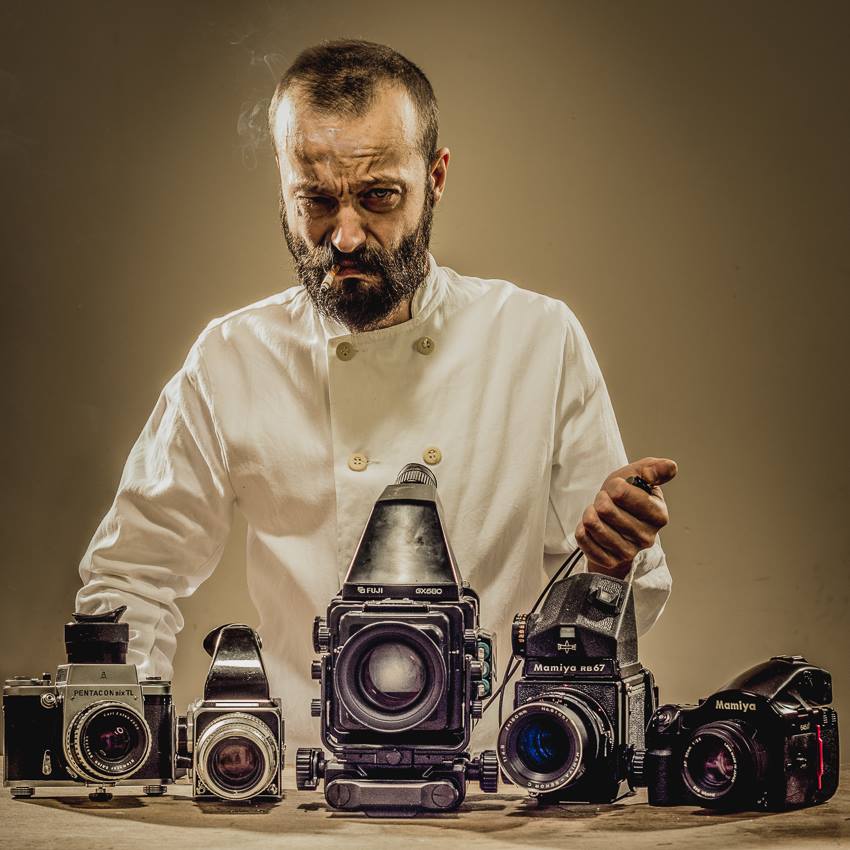
In today's fast-paced photography world, the race for higher megapixel counts is more intense than ever. As manufacturers release cameras boasting 40-plus megapixels, photographers are left questioning whether this trend is truly beneficial or simply a marketing gimmick. With the growing popularity of high-resolution images, understanding the implications of these specifications is crucial for both professional and amateur photographers alike.
Recent releases from major camera brands like Canon and Sony have pushed the envelope on pixel count, with models such as the Canon EOS R5 and Sony A7R IV offering a staggering 45 and 61 megapixels, respectively. While these numbers are certainly impressive, they prompt an important discussion about the practical implications of such high resolutions. Are photographers equipped to handle these massive file sizes, and do they actually need that level of detail in their work? The truth is, while more megapixels can yield greater detail in large prints and extensive cropping capabilities, they also come with downsides like increased storage requirements and slower processing times.
Additionally, for many photographers, the benefits of a high megapixel count may not be as pronounced as one might think. For instance, landscape photographers often find that a camera with 24 to 30 megapixels is more than adequate for capturing the rich details of a scene without overwhelming their workflow. Similarly, portrait and event photographers may prioritize aspects like autofocus performance and low-light capabilities over sheer pixel count, which can lead to better overall image quality in real-world shooting scenarios.
In the broader context of the photography industry, the megapixel debate reflects a larger trend of technological advancement and consumer expectations. As cameras become more capable, the question arises of how photographers can best utilize these features without falling into the trap of chasing numbers for the sake of prestige. Many photographers are starting to recognize that other factors—such as lens quality, dynamic range, and sensor performance—often play a more vital role in achieving stunning images than an inflated megapixel count.
CuraFeed Take: The push for higher megapixels isn't inherently negative, but photographers need to be discerning about their needs. While tech specs can provide a sense of excitement, the real winners in this landscape will be those who prioritize functionality and artistry over chasing the latest numbers. As we move forward, expect a shift in focus toward balanced camera systems that cater to all aspects of photography, not just pixel count. Moving forward, keep an eye on how manufacturers respond to these changing demands and whether they will innovate in other areas beyond just megapixels—because in photography, sometimes less is more.