As a photographer, you're continually seeking ways to elevate your craft, and the advent of digital technology has introduced a plethora of metrics that can influence your image-making decisions. Among these, dynamic range has gained an almost reverential status, often touted as the key indicator of a camera's prowess. However, as we delve deeper into what makes a compelling photograph, it becomes clear that an overemphasis on this single specification can detract from the artistry and intention behind your work.
The term dynamic range refers to the ratio between the lightest and darkest parts of an image that a camera can capture. While it’s true that a broader dynamic range allows for greater detail in highlights and shadows, this metric alone cannot define the quality of your photographic output. It’s easy to get caught up in technical specifications, particularly when making purchase decisions or comparing your current gear with the latest models. Yet, it’s essential to remember that photography is an art form where composition, lighting, and storytelling play crucial roles alongside technical specifications.
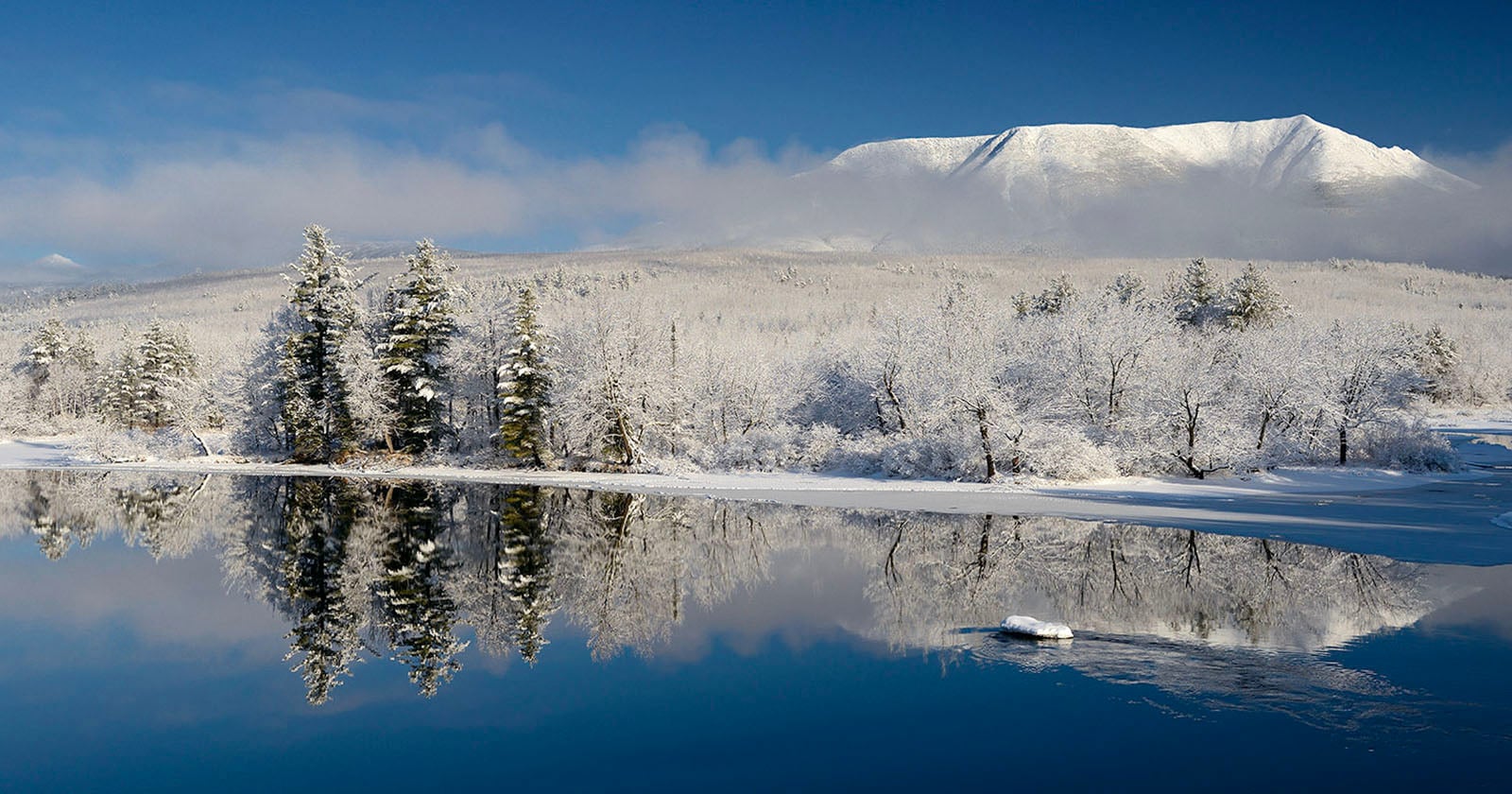
Consider the elements of composition and lighting—two factors that can dramatically influence the viewer's perception of your work. A photograph with a narrower dynamic range can still be striking if it employs strong leading lines, compelling subjects, or rich colors. Moreover, the use of lighting—natural or artificial—can enhance the mood and emotion of an image, making it resonate with your audience in ways that mere metrics cannot achieve.
Furthermore, editing workflows can significantly impact how your final image is perceived. Post-processing tools allow you to manipulate exposure, contrast, and color grading to enhance your photograph’s impact, regardless of the camera’s dynamic range capabilities. Instead of fixating on the numbers, consider how you can leverage your editing skills to bring your creative vision to life. Techniques such as dodging and burning can help you recover detail in highlights and shadows, transforming a technically limited image into a powerful statement.
In the broader context of photography, the obsession with metrics like dynamic range reflects a growing trend within the industry. As cameras continue to evolve, manufacturers are quick to tout their advancements in specifications, hoping to attract both amateur and professional photographers alike. This focus on technical prowess can overshadow the storytelling aspect of photography, leading to a culture where numbers dictate creative choices rather than personal vision.
CuraFeed Take: It's time for photographers to re-evaluate what truly matters in their art. While dynamic range is undeniably important, it should not be the sole determining factor in your creative journey. Embrace the full spectrum of photographic elements—composition, lighting, and post-processing—rather than getting lost in the numbers. As you continue to develop your skills, remember that your unique perspective and storytelling ability are what will ultimately make your work resonate with others. In a world where technology is constantly evolving, let your creativity stand as the ultimate benchmark of quality.