In the fast-evolving world of photography, the age-old debate about prime versus zoom lenses has ignited passionate discussions among enthusiasts and professionals alike. While prime lenses have long been celebrated for their sharpness and wide apertures, zoom lenses have made significant strides in quality, versatility, and convenience. Now, more than ever, it’s essential to reassess this lens rivalry, especially as photographers seek to enhance their craft in an increasingly dynamic environment.
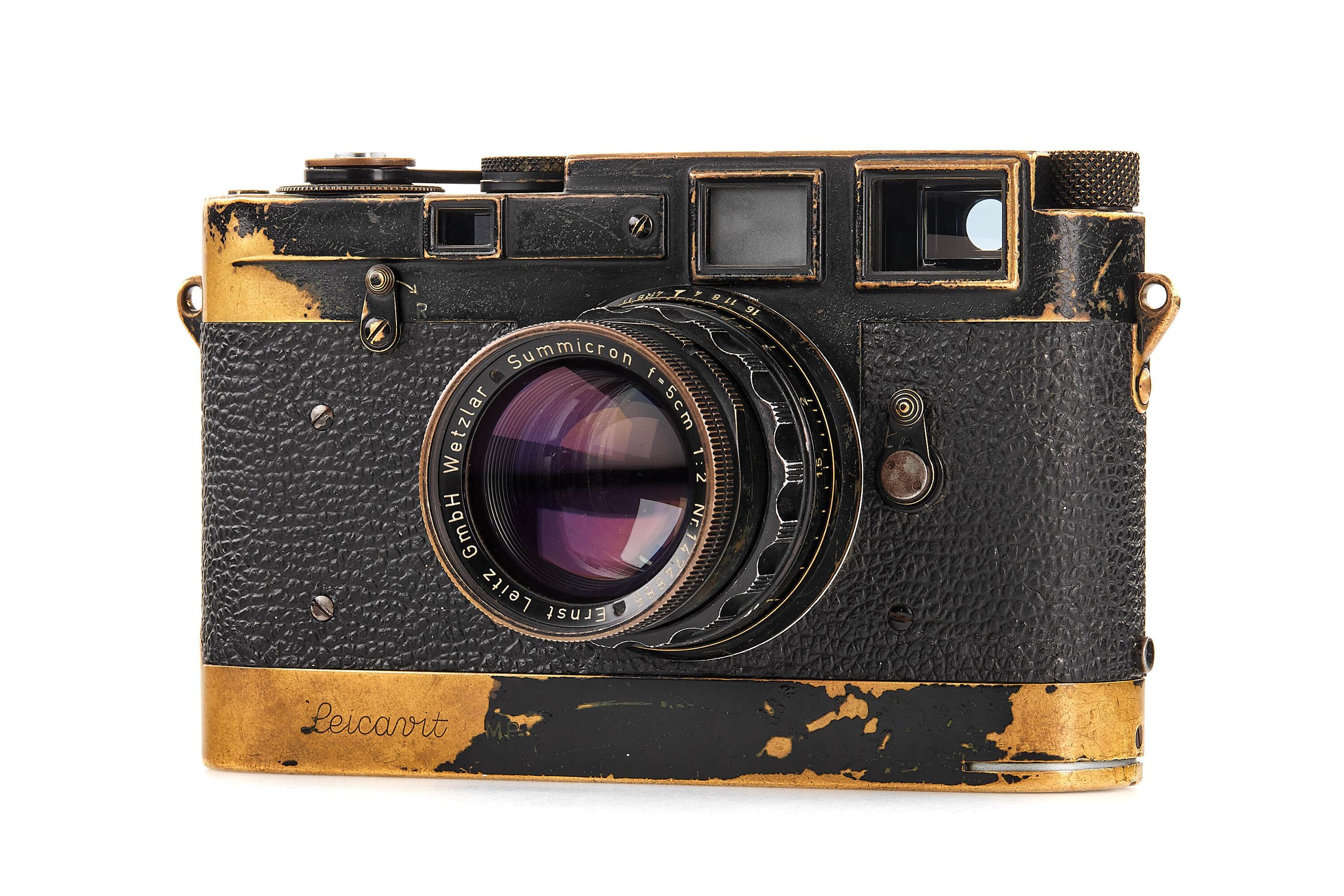
Traditionally, prime lenses were favored for their ability to produce incredible image quality, often boasting wider maximum apertures like f/1.4 or f/1.8. However, this perceived advantage can be misleading. While a fast prime does allow for beautiful bokeh and low-light performance, it often comes with limitations. For instance, the bulkiness and weight of certain primes can hinder mobility, particularly for those who thrive on spontaneity in their shooting style. On the other hand, modern zoom lenses have evolved to offer impressive optical performance across a range of focal lengths, making them a more practical choice for various shooting scenarios.
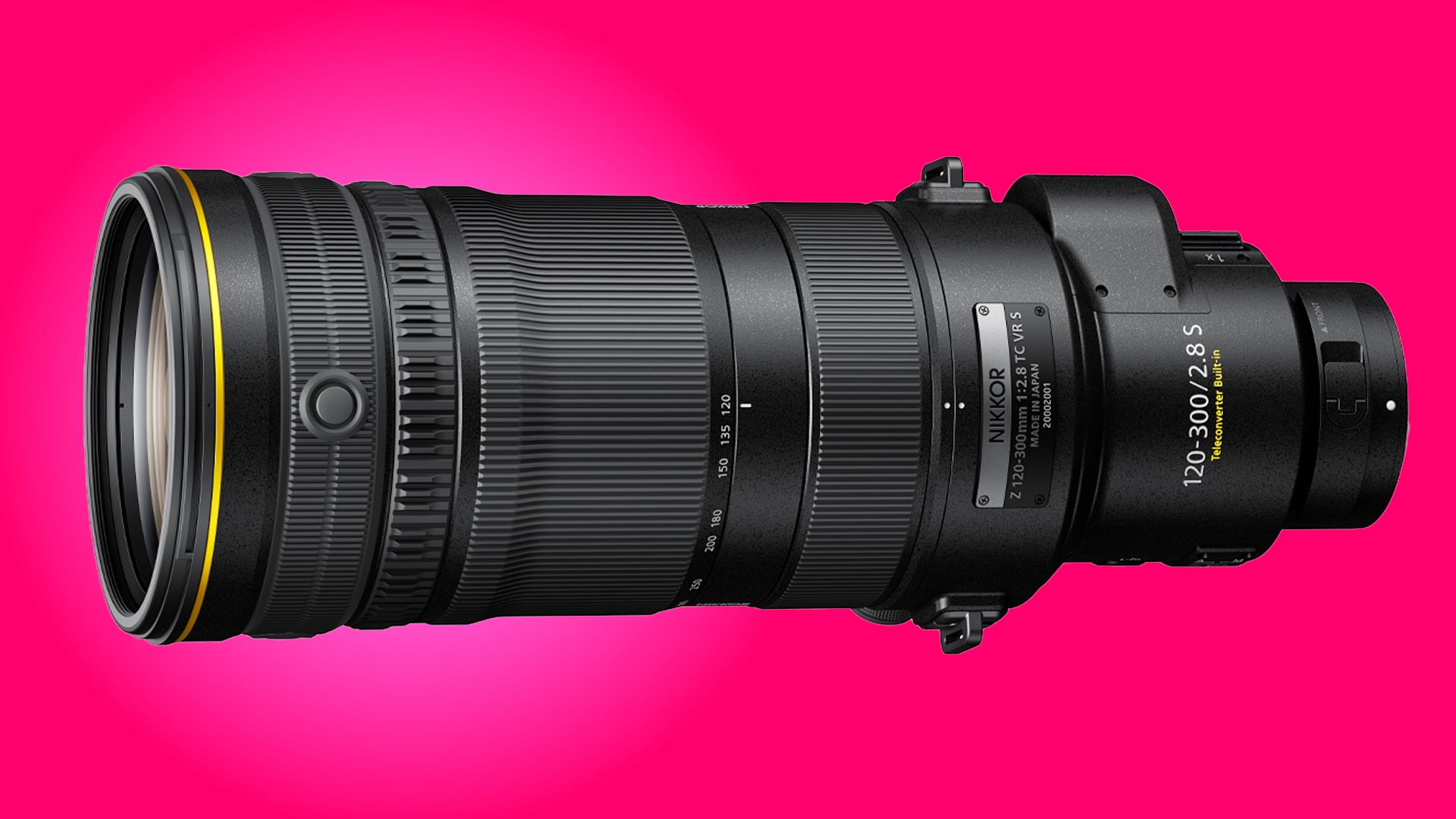
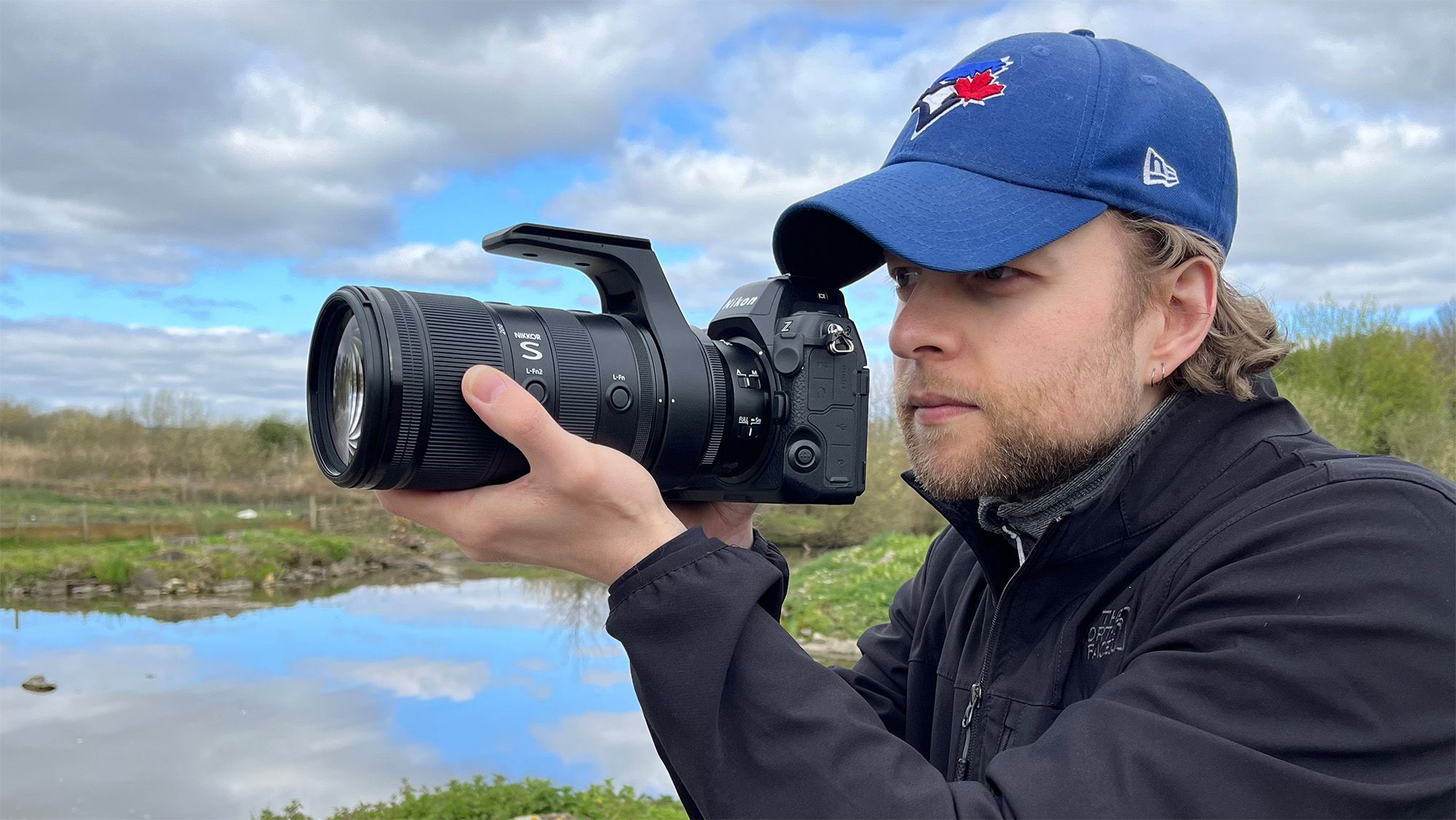
Take, for example, the latest high-end zooms that deliver excellent sharpness, minimal distortion, and fast autofocus capabilities. With advancements in optical design and coatings, many zoom lenses now rival the sharpness of prime lenses while providing the flexibility to quickly switch between focal lengths. This versatility allows photographers to adapt to their surroundings without the need for constant lens changes, which can be a significant advantage when shooting in unpredictable environments.
Moreover, the argument that "zooming with your feet"—the practice of physically moving closer to a subject—enhances composition holds some truth. However, it also imposes restrictions on a photographer's creative options, especially in tight spaces or when working with subjects that require a specific distance, such as wildlife or sports photography. Zoom lenses offer a solution by enabling photographers to maintain optimal composition while staying at a safe distance from their subjects.
In the context of the broader photography landscape, the rise of mirrorless systems has also contributed to the evolution of zoom lenses. These systems have allowed manufacturers to create more compact and lightweight zoom options that maintain high performance without compromising on image quality. This shift is particularly relevant in a time when many photographers prioritize travel and on-the-go shooting, and the ability to pack versatile gear is invaluable.
CuraFeed Take: In conclusion, it’s important to recognize that while prime lenses have their place in the toolkit of a photographer, zoom lenses have grown into formidable contenders that can enhance creativity and adaptability. The winner of the prime vs. zoom debate isn’t a definitive one; rather, it’s about understanding your unique shooting style and the scenarios you find yourself in. As technology continues to advance, keep an eye on innovations in zoom lens design, and don’t hesitate to experiment with both types to find the combination that truly elevates your photography to the next level.