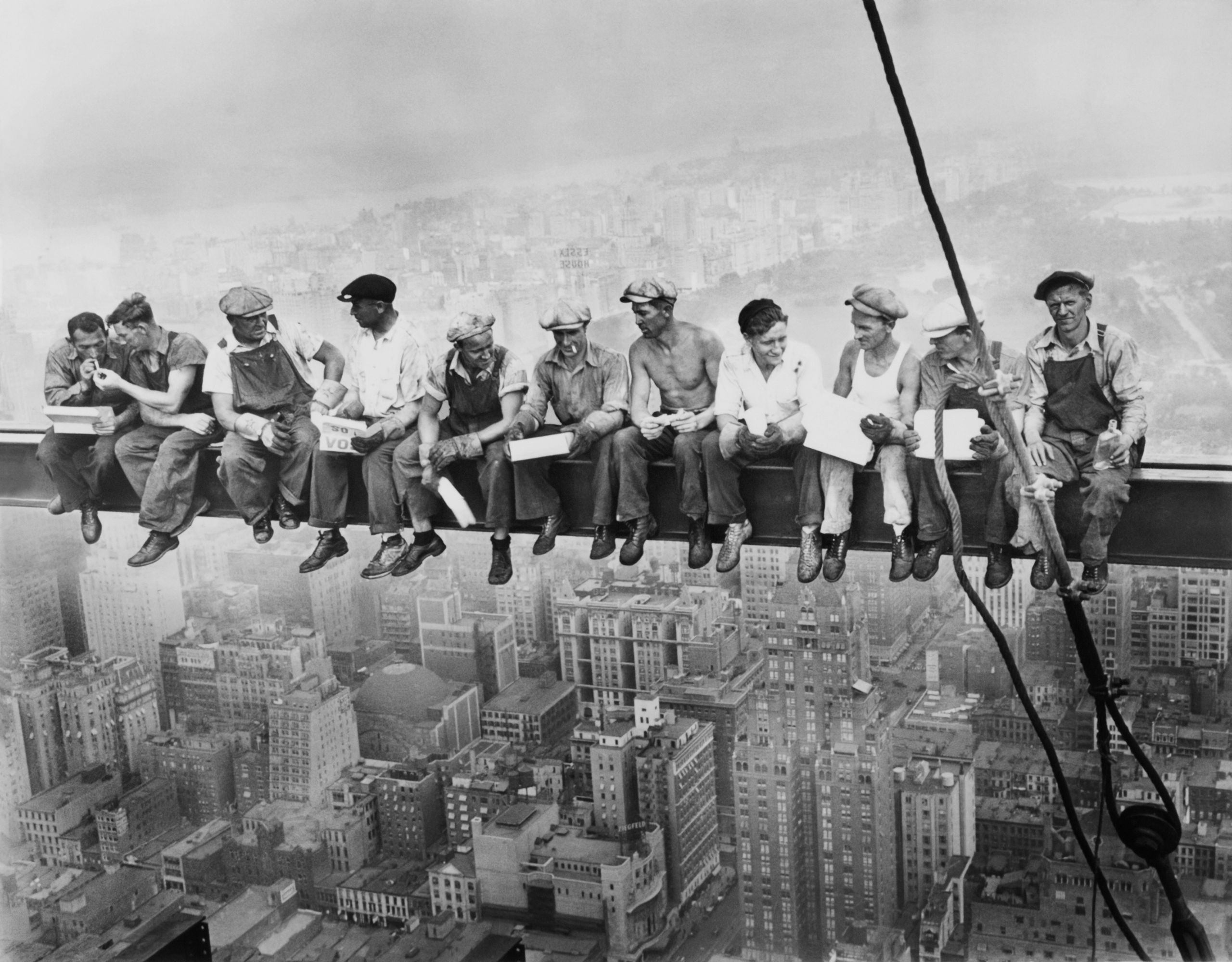
In the realm of photography, certain images transcend time and space, weaving themselves into the fabric of culture. One such image is "Lunch on a Beam," captured in 1932, which showcases eleven construction workers casually perched on a steel girder above the bustling streets of New York City. As a photographer, understanding the context and technical prowess behind such an iconic shot can inspire your own work and help you push boundaries.
The photograph, taken during the construction of the Rockefeller Center, presents not only a striking visual but also a story of bravery and camaraderie. The workers, seemingly unfazed by the dizzying heights, embody the spirit of the era, while the photographer, Charles C. Ebbets, utilized a mix of composition and innovative techniques to capture this moment. To recreate such a compelling scene, one must consider the principles of framing and perspective, as well as the importance of timing—elements that are essential for any photographer aiming to elevate their craft.
In terms of composition, Ebbets masterfully employed the rule of thirds to position his subjects against the vast expanse of the city skyline. By placing the workers off-center, he not only drew the viewer's eye to them but also created a sense of depth and scale, emphasizing the sheer height of their perch. For anyone aiming to improve their photography skills, experimenting with composition techniques can transform a simple shot into a striking narrative.
Lighting played a crucial role in the success of this photograph as well. Taken in the bright daylight, Ebbets capitalized on the natural light that illuminated the workers without creating harsh shadows. As photographers, we must learn to harness available light effectively, understanding how it interacts with our subjects to bring out textures and details. Whether shooting outdoors or in a controlled environment, mastering light can elevate your images significantly.
Editing also has its place in the creation of iconic photographs. While Ebbets captured the image in a single shot amid the hustle and bustle of construction, modern photographers have a wealth of editing tools at their disposal. Understanding how to enhance contrast, saturation, and sharpness can make a significant difference in your final product. Consider using software like Adobe Lightroom or Photoshop to fine-tune your images while maintaining their authenticity.
"Lunch on a Beam" is not just a moment frozen in time; it represents a significant chapter in the history of photography and the American labor movement. The narrative behind the image gives context to the everyday lives of workers during the Great Depression, symbolizing resilience and determination. In recent years, the rise of AI-driven photography tools has revolutionized the industry, allowing for new creative possibilities but also raising questions about authenticity and artistic integrity.
As we navigate the evolving landscape of photography, it's essential to reflect on how past techniques can inform our current practices. While technology continues to advance, the foundational principles of composition, lighting, and storytelling remain timeless. By studying iconic images like "Lunch on a Beam," photographers can glean insights into not only technical execution but also the emotional resonance of their work.
CuraFeed Take: The legacy of "Lunch on a Beam" serves as a reminder of the power of photography to capture the human experience. As we embrace new technologies and editing tools, we must also remain grounded in the storytelling aspect of our craft. The challenge for modern photographers will be to balance the convenience of AI and editing software with the authenticity of their vision, ensuring that they continue to tell impactful stories through their lens.