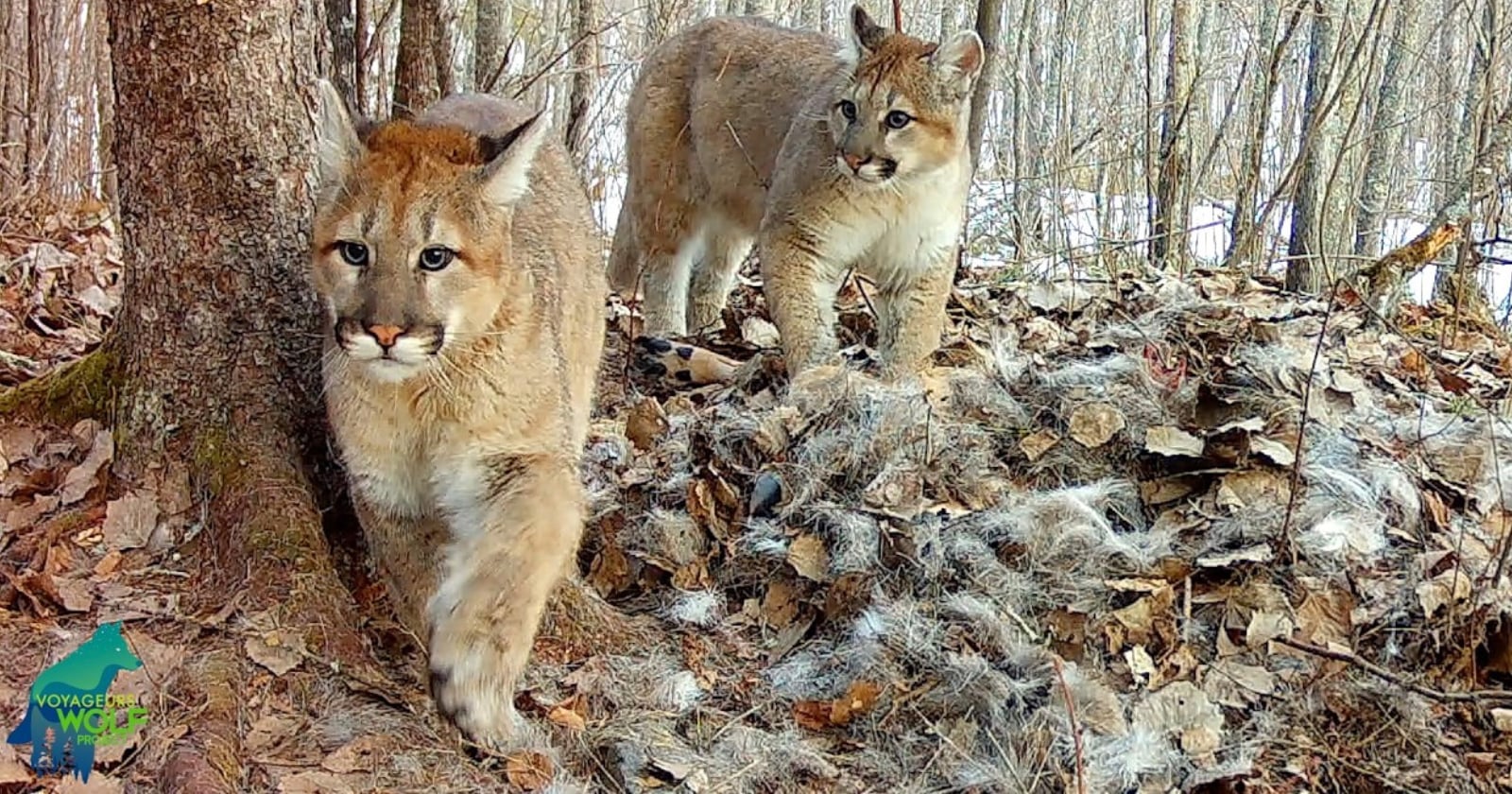
The world of wildlife photography is filled with moments that make your heart race, but few compare to the thrill of capturing rare species in their natural habitat. Recently, trail cameras in Minnesota have documented something remarkable: the first evidence of cougar kittens in the state in more than 100 years. This rare sighting is a reminder of the importance of conservation efforts and the role that technology plays in advancing our understanding of wildlife. For photographers eager to improve their craft, this event serves as an inspiring case study on composition, lighting, and editing workflows that can elevate your wildlife captures.
The footage captured by trail cameras, part of the Voyageurs Wolf Project, shows two adorable cougar kittens exploring their forested environment. This significant finding not only confirms the presence of reproducing cougars in Minnesota but also opens the door for photographers to consider how they can document such elusive creatures effectively. When shooting wildlife, especially rare subjects like these kittens, it’s crucial to understand the nuances of your gear and how to utilize it to the best of its capabilities.
To begin, consider the composition of your shots. Wildlife photography thrives on the balance between the subject and its environment. In the case of these cougar kittens, positioning your camera to frame them within their natural surroundings can create a compelling narrative about their habitat. Use the rule of thirds to guide your composition, ensuring that the kittens are not just centered but interact meaningfully with the landscape around them.
Lighting is another key element that can make or break your wildlife photography. The best times to capture images are during the golden hours—early morning and late afternoon—when the light is soft and warm. For trail cameras, set them to trigger when movement is detected, but be mindful of their placement. Position them where the light is optimal for your subject, taking care to avoid bright glare or deep shadows that can obscure details in your shots. Setting your camera to shoot in RAW format will also give you more flexibility when editing, allowing you to recover details in both highlights and shadows during post-processing.
In the broader context, this sighting of cougar kittens is not just a local phenomenon; it reflects a growing trend in wildlife conservation efforts across North America. With advancements in camera technology and monitoring systems, conservationists and photographers alike are gaining unprecedented access to wildlife behavior. The presence of cougars in Minnesota indicates a resurgence of these apex predators, which can have profound effects on local ecosystems. Understanding this context can help photographers approach their work with a deeper appreciation for the subjects they are capturing.
CuraFeed Take: The emergence of these cougar kittens is a significant victory for wildlife conservation, and it presents photographers with a rich opportunity to document a story that resonates beyond the frame. As these kittens grow, they will become symbols of resilience and recovery in the natural world, reminding us that every photograph can make an impact. As you plan your next shoot, consider the ethics of wildlife photography and the importance of respecting your subjects’ space while still striving for compelling imagery. Keep an eye on local conservation efforts and be ready to adapt your techniques to capture more rare wildlife moments as they unfold.