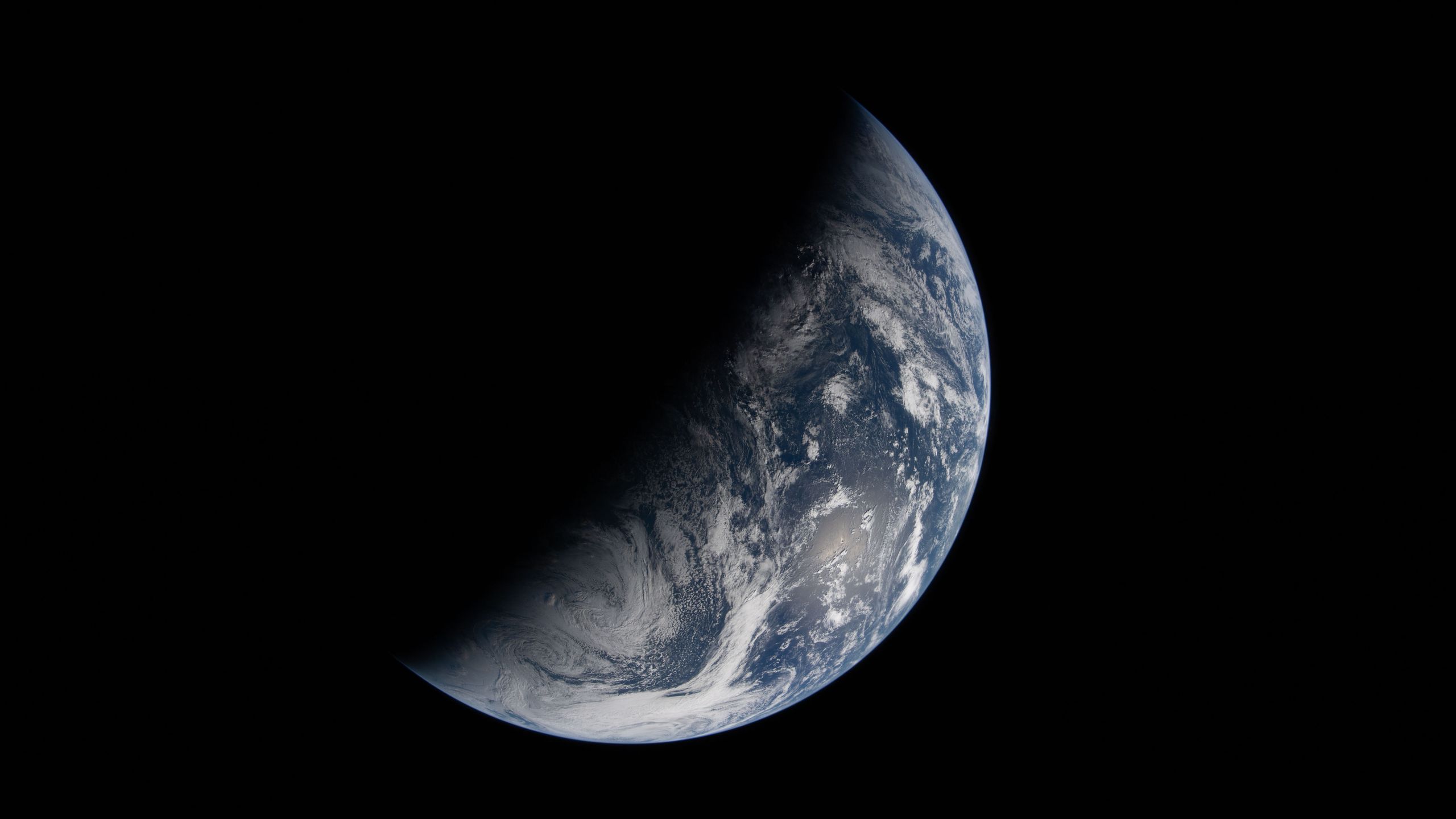
In an age where the boundaries of our universe are constantly being pushed, photographers have a unique opportunity to step into the cosmos without ever leaving the comfort of their homes. Astrophotography has surged in popularity, and with today’s technology, even entry-level cameras can be used to capture breathtaking images of celestial wonders. As we marvel at the discoveries made by scientists and astronomers, it’s essential to recognize that each of us can contribute to this exploration through our lenses.
Astrophotography can be accessible to anyone willing to experiment and learn. Consider that stunning images of galaxies have been captured with just a 2-megapixel camera, and many amateur photographers have successfully documented comets using older DSLR models. The key to achieving these results lies in mastering a few essential skills: composition, lighting, and post-processing techniques. Understanding how to photograph the night sky not only enhances your technical prowess but also deepens your appreciation for the vastness of space.
To get started, it’s crucial to choose the right time and location for your astrophotography sessions. Aim for a clear, dark night away from city lights to minimize light pollution, which can wash out the beauty of the stars. As you set up your tripod, take your time to compose your shot. The rule of thirds can provide a solid foundation for creating visually engaging images, while incorporating foreground elements can add depth to your compositions. Experiment with various angles and perspectives to find the most captivating view of the night sky.
Lighting is another critical factor in astrophotography. Unlike traditional photography, where you might rely heavily on artificial light, astrophotography requires a different approach. Use a low ISO setting to prevent noise in your images, but be ready to increase it for better exposure of faint celestial objects. Longer exposure times are often necessary, so consider using a remote shutter release or a timer to avoid camera shake. The best results will come when you combine patience with a keen eye for detail.
In addition to shooting techniques, post-processing plays a vital role in bringing your astrophotography to life. Programs like Adobe Lightroom and Photoshop allow you to enhance your images by adjusting contrast, color balance, and sharpness. Stacking multiple exposures can also help reduce noise and improve clarity, allowing the intricate details of distant galaxies and star clusters to shine through. Don’t be afraid to experiment with different editing workflows until you find a style that resonates with your vision.
But how does this fascination with astrophotography fit into the broader context of technological advancements in photography? As cameras evolve, so do our capabilities to capture the universe. The advent of affordable, high-quality cameras has democratized photography to an extent previously unimaginable. With advancements in sensor technology, even entry-level cameras are capable of capturing incredible detail in low light conditions. This shift has empowered countless photographers to embark on their celestial journeys, expanding the collective knowledge and appreciation of our universe.
CuraFeed Take: The rise of astrophotography represents more than just a trend; it signifies a cultural shift where anyone can become an explorer. As we witness the cosmos through our cameras, we foster a deeper connection to the universe and inspire future generations of photographers and astronomers alike. Keep an eye on emerging technologies and techniques in this field, as they will continue to redefine what’s possible in both photography and our understanding of the cosmos.