In the ever-evolving world of photography, the current trend of toy photography offers a unique canvas for both seasoned and budding photographers to explore their creative limits. As we navigate through a visual culture saturated with imagery, finding innovative ways to stand out has become essential. Toy photography, as demonstrated by artists like Mitchel Wu, invites us to not just capture moments but to create fantastical narratives that spark imagination and joy.
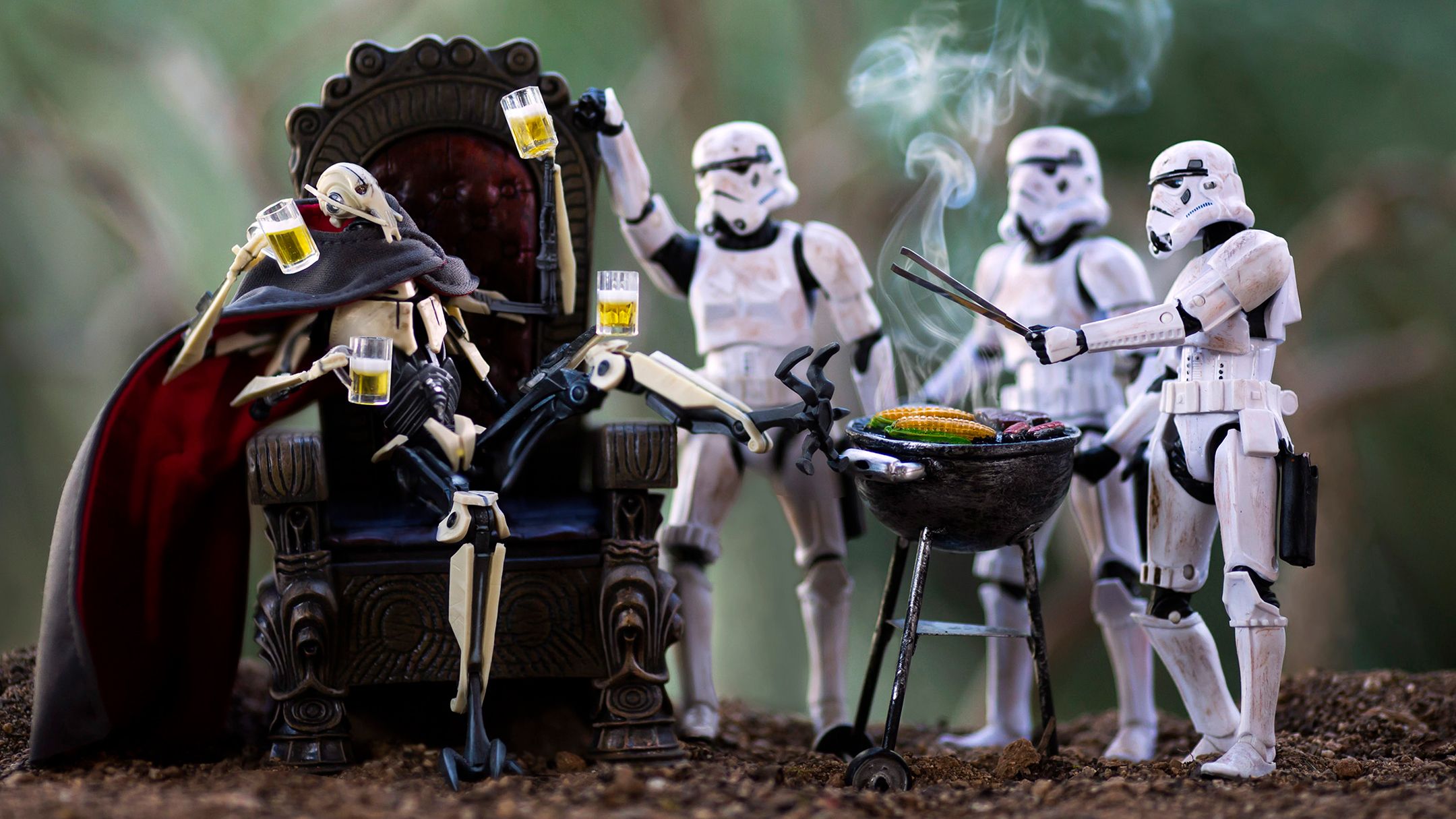
Wu's work showcases iconic toy figures, transforming them into dynamic characters through careful composition and imaginative storytelling. Whether it's a Stormtrooper manning a barbecue or a superhero navigating a miniature cityscape, these figures are rendered in a way that transcends their plastic origins. But what truly sets Wu apart is his adeptness at integrating practical effects, such as miniature props, creative lighting, and meticulous staging, to enhance the lifelike quality of his subjects. For photographers looking to delve into this niche, understanding these elements is key to producing compelling images.
To start, composition plays a pivotal role in toy photography. Consider using the rule of thirds to position your subjects in a way that draws the viewer's eye. Experiment with depth of field by adjusting your aperture settings; a shallow depth can help isolate your subject against a beautifully blurred background, emphasizing the action or story you wish to convey. Lighting, too, is crucial. Natural light can offer a soft touch to your scenes, while artificial sources can create dramatic shadows and highlights, showcasing details in ways that elevate the narrative.
Post-processing is another essential part of the workflow that can transform your shots from good to spectacular. Tools such as Adobe Lightroom and Photoshop allow you to refine colors, enhance details, and even create special effects that align with the whimsical nature of toy photography. Don’t shy away from experimenting with filters and overlays to add that extra flair to your images. The goal is to maintain a balance between realism and imagination; after all, you’re not just capturing a photograph—you're telling a story.
As toy photography continues to grow in popularity, it reflects a broader movement in the photography landscape where imagination and technical skills intersect. This genre appeals to a diverse audience, from collectors and fans of the toys themselves to photographers seeking to break the mold of traditional portraiture or landscape photography. The ability to create entire worlds from simple figures not only showcases the versatility of a photographer’s skill set but also underscores the endless possibilities that lie within the medium.
CuraFeed Take: Mitchel Wu's approach to toy photography is a testament to the power of creativity and technical know-how. As more photographers explore this genre, it will be fascinating to see how they incorporate new techniques and technology, such as 3D printing and augmented reality, into their storytelling. For those looking to capitalize on this trend, keep an eye on social media platforms where communities are forming around this art, providing inspiration and collaboration opportunities. Ultimately, the winners in this evolving field will be those who can blend technical proficiency with an inventive vision—because in the realm of toy photography, the only limits are those of your imagination.