As the world of photography continues to evolve, so too do the tools and techniques we use to create our images. With the rise of artificial intelligence (AI) and digital compositing, photographers are faced with a pressing question: What constitutes a true photograph? Recently, this debate was ignited following the disqualification of a winning entry in the National Wildlife Federation's (NWF) Garden for Wildlife Photo Contest, sending ripples through the photography community and challenging our perceptions of authenticity.
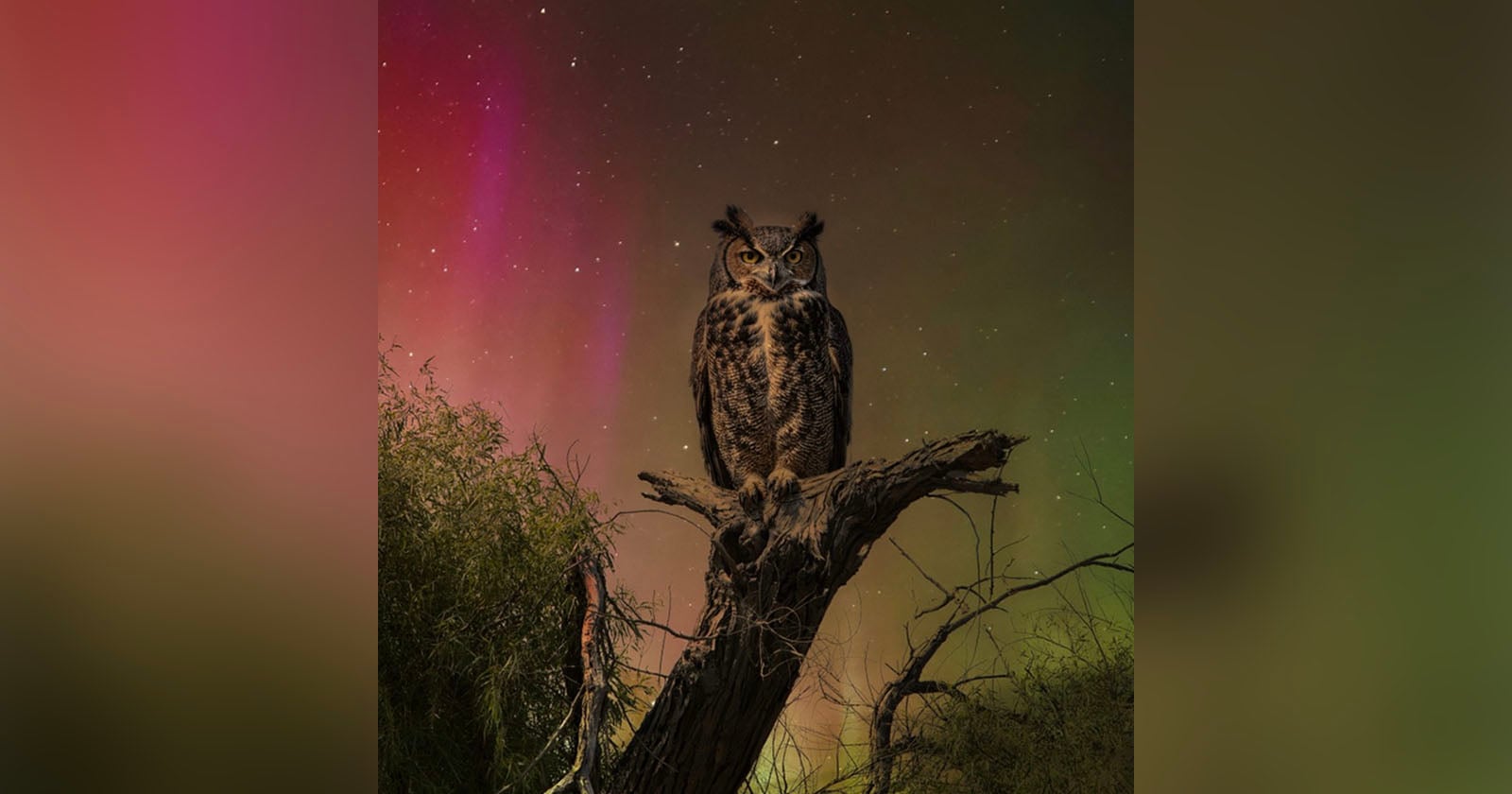
The winning image, which depicted a majestic owl perched on a branch against a vibrant starry sky and the aurora borealis, had garnered significant praise prior to its disqualification. The controversy erupted when the NWF revealed that the image did not adhere to the contest's rules regarding manipulation. While the organization cited that the image was altered beyond acceptable limits, photographers and enthusiasts have voiced their opinions, arguing whether the photo should have been disqualified based on its composite nature or the use of AI technology. This incident serves as a reminder that as we embrace new tools, we must also remain grounded in the principles of our craft.
For many photographers, the line between creative manipulation and outright deception can often feel blurred. Technical specifics are at the heart of this discourse; compositing involves layering multiple images to create a final piece, while AI tools can generate entirely new visuals based on learned data. As both methods gain popularity, photographers must ask themselves: when does an image transition from a creative piece to a misrepresentation of reality? Understanding the nuances of these techniques is essential for any photographer striving to improve their skills and maintain integrity in their work.
Situating this incident within the broader context of the photography industry reveals a growing tension between traditional practices and innovative techniques. With the proliferation of AI tools, the competition landscape is changing rapidly, and what was once a straightforward judging criterion is now open to interpretation. This evolution not only challenges photographers to adapt their approaches but also compels organizations to clarify their rules and standards to keep pace with these advancements.
CuraFeed Take: The disqualification of the owl photo is a critical turning point that underscores the need for clear guidelines in photography competitions. As we navigate this new terrain, it’s essential for photographers to strike a balance between artistic expression and authenticity. The winners in this evolving narrative will be those who can harness the power of technology while staying true to the core values of photography. Looking ahead, we should watch how competitions adapt to these changes and how they define the evolving standards of what constitutes a ‘real’ photograph, as this will shape the future of our craft.
In the meantime, photographers should focus on refining their skills in composition, lighting, and post-processing techniques, ensuring that their work reflects their vision and integrity. By embracing technology responsibly, we can elevate our craft while maintaining the authenticity that is the cornerstone of photography.