In the world of wildlife photography, the lens often serves as a bridge between humans and the natural realm. As photographers, we have an unparalleled opportunity to not only capture captivating images of our feathered friends but also to contribute to crucial conservation efforts. Recent findings from the Royal Society for the Protection of Birds (RSPB) have revealed a disturbing link between popular flat bird feeders and the spread of a lethal disease affecting various garden bird species. This situation urges us, as practitioners of photography, to reevaluate how we engage with our local wildlife and consider the broader implications of our equipment and practices.
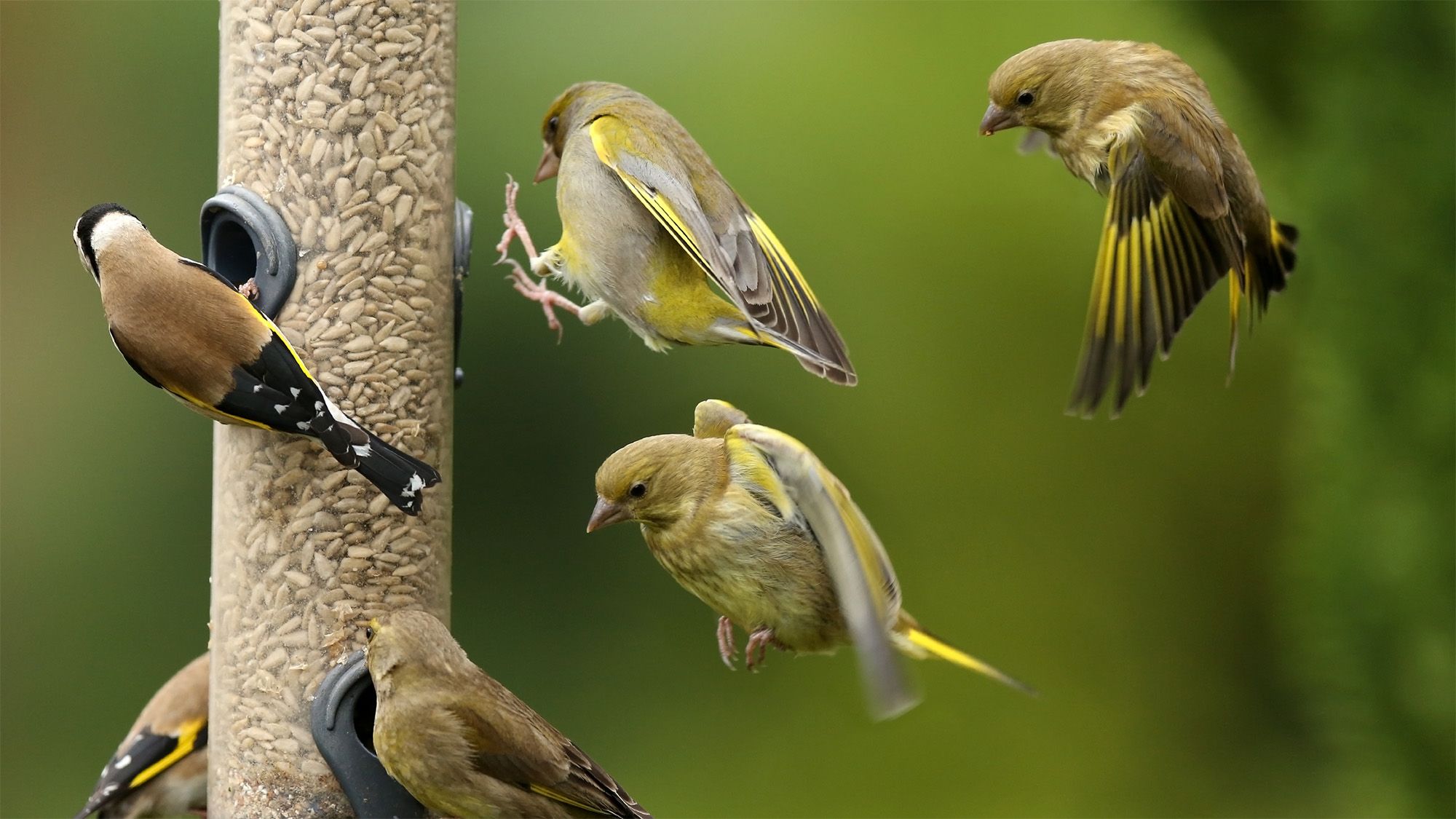
According to the RSPB, these flat feeders, designed with the intent to attract a variety of birds, have inadvertently become a breeding ground for pathogens that lead to severe health issues in birds, including fatalities. With certain species experiencing dramatic population declines, the role of bird feeders in our gardens has come under scrutiny. This presents a unique moment for photographers who aim to document and raise awareness about these species while also ensuring that their feeding practices promote the health and safety of these vulnerable creatures.
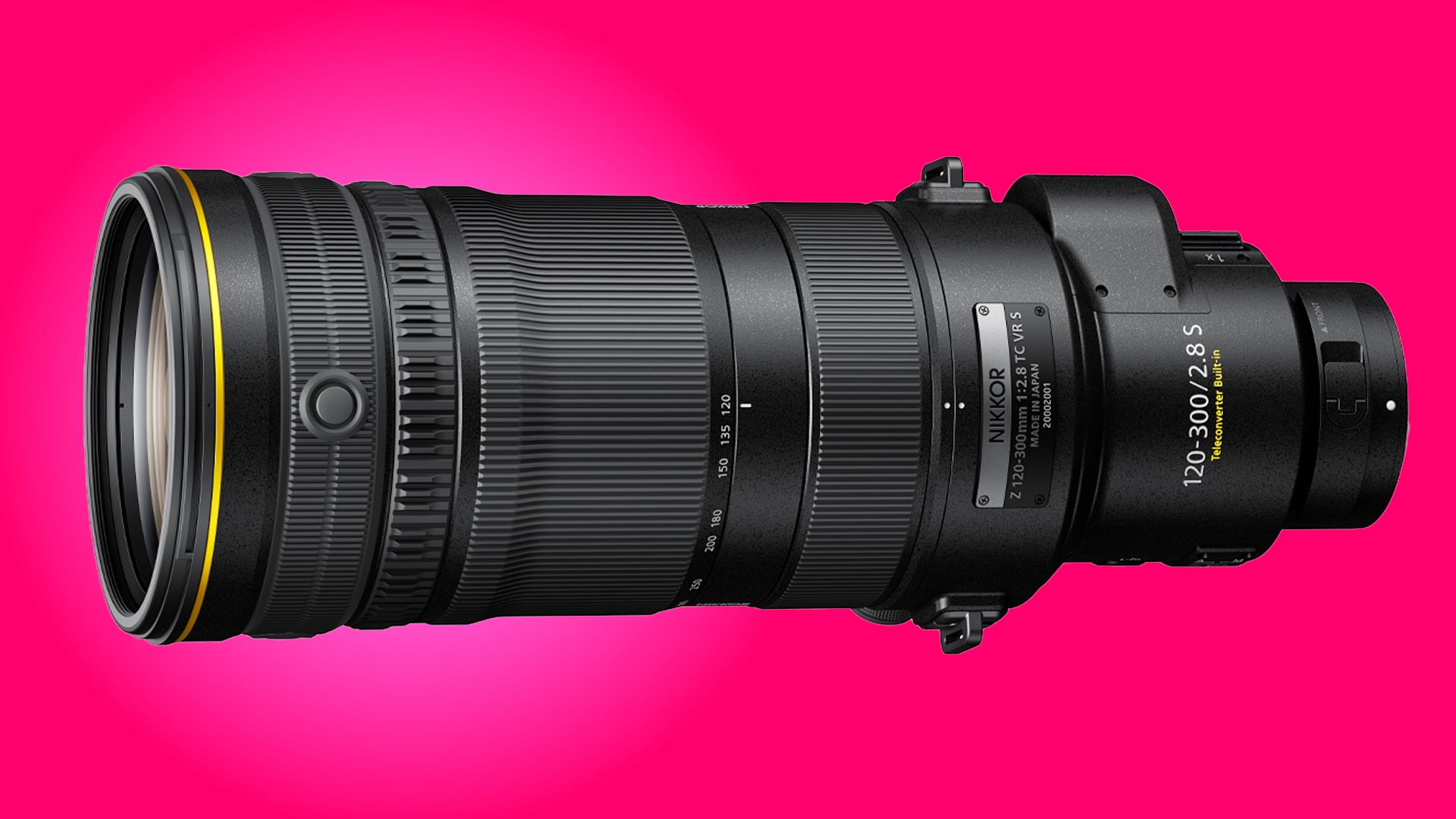
For photographers looking to contribute positively, it’s essential to adopt mindful practices when using bird feeders. First, consider upgrading to more hygienic feeder designs that minimize disease transmission. Opt for feeders that are easy to clean and designed to discourage the accumulation of waste and mold. Furthermore, be proactive in monitoring the health of birds visiting your feeders—your camera can serve as both a tool for documentation and a means to observe behaviors that could indicate illness. Use telephoto lenses to capture close-up shots without disturbing the birds, allowing you to gather valuable data while still maintaining a respectful distance.
Understanding lighting and composition is also crucial for effective wildlife photography. Early morning and late afternoon provide the best natural light, casting a warm glow that enhances the beauty of your feathered subjects. Position your feeders in shaded areas to prevent harsh light from washing out colors, making your images more visually appealing. Experiment with different angles and distances to capture the unique characteristics of each species, while simultaneously observing their interactions in a safe and responsible manner.
This scenario is not isolated; it reflects a growing concern about the impact of human activity on wildlife and the environment. As we delve deeper into the age of technology, the intersection between wildlife conservation and innovative photography practices becomes increasingly relevant. Photographers hold a unique position in this narrative, as they can leverage their art to spark conversations about the delicate balance between human convenience and the health of our ecosystems. Collaborating with organizations like the RSPB can also amplify your impact; by sharing your findings and photographs with them, you contribute to a larger body of research that can inform public awareness and policy changes.
CuraFeed Take: This evolving situation serves as a poignant reminder of our responsibility as photographers and nature enthusiasts. While the allure of capturing vibrant images of garden birds is undeniable, it is equally vital to consider the implications of our feeding practices on their health. Moving forward, we must advocate for safer bird feeding solutions and use our photographic skills to highlight the beauty and fragility of these species. By doing so, we not only enhance our craft but also become stewards of the wildlife we cherish, ensuring that future generations can enjoy the sights and sounds of a thriving avian community.