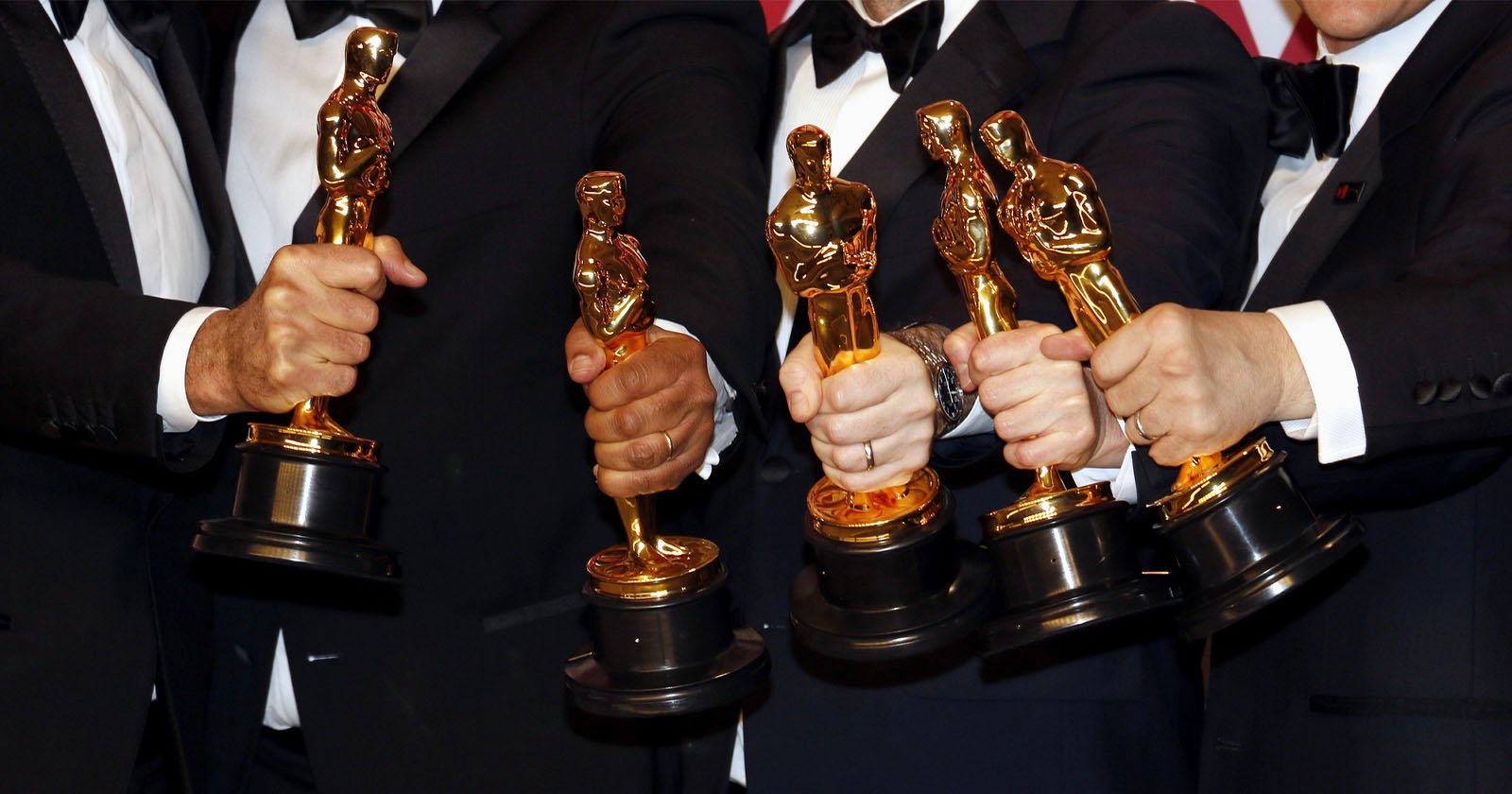
In an era where artificial intelligence permeates every aspect of our lives—from chatbots crafting poetry to algorithms composing symphonies—the Academy of Motion Picture Arts and Sciences has taken a resolute stand. As the film industry gears up for its annual celebration of artistic excellence, the Academy has issued a powerful statement: only human performances and writing are eligible for Oscar accolades. This declaration resonates deeply, particularly as we navigate a world in which technology increasingly influences creative fields.
Why does this matter now? With the rapid advancement of AI technologies, many artists and creators feel a palpable tension between innovation and tradition. The film industry, a cornerstone of cultural narrative, is at a crossroads, and the Academy's commitment to preserving the human element is a clarion call to artists everywhere. It reminds us that the heart of storytelling lies in the human experience—our emotions, struggles, and triumphs—elements that none can replicate, regardless of how sophisticated the technology becomes.
The Academy's move is not merely a protective measure; it is a celebration of the human spirit. The guidelines clarify that for a film to be eligible for Oscar recognition, the performances and written content must originate from human creativity. This stance sets a clear boundary, ensuring that the artistry, authenticity, and emotional depth that come from human experiences remain the cornerstone of cinematic storytelling. As filmmakers and screenwriters grapple with the implications of AI in their craft, this guidance serves as a reminder that while technology can serve as a tool, it is the human touch that crafts compelling narratives.
But this decision is not just about the Oscars; it reflects a broader conversation about the role of AI in creative industries. As we witness an exponential rise in AI-generated content, the implications for artists are profound. The film industry is particularly sensitive to these shifts, as it relies heavily on storytelling that captures the human condition. By asserting that only human-generated performances and writing can win Oscars, the Academy positions itself as a guardian of artistic integrity in a world increasingly dominated by machines.
CuraFeed Take: This bold declaration by the Academy underscores a vital truth: creativity flourishes within the scope of human experience. While AI can augment creative processes, it cannot replace the emotional resonance that only a human artist can deliver. The winners in this evolving landscape will be those who harness technology as a collaborator rather than a competitor, utilizing it to enhance their storytelling while remaining firmly anchored in their unique perspectives. As we look to the future, we should watch for how this dialogue between human creativity and technological innovation continues to unfold, challenging artists to innovate while remaining true to the essence of their craft.