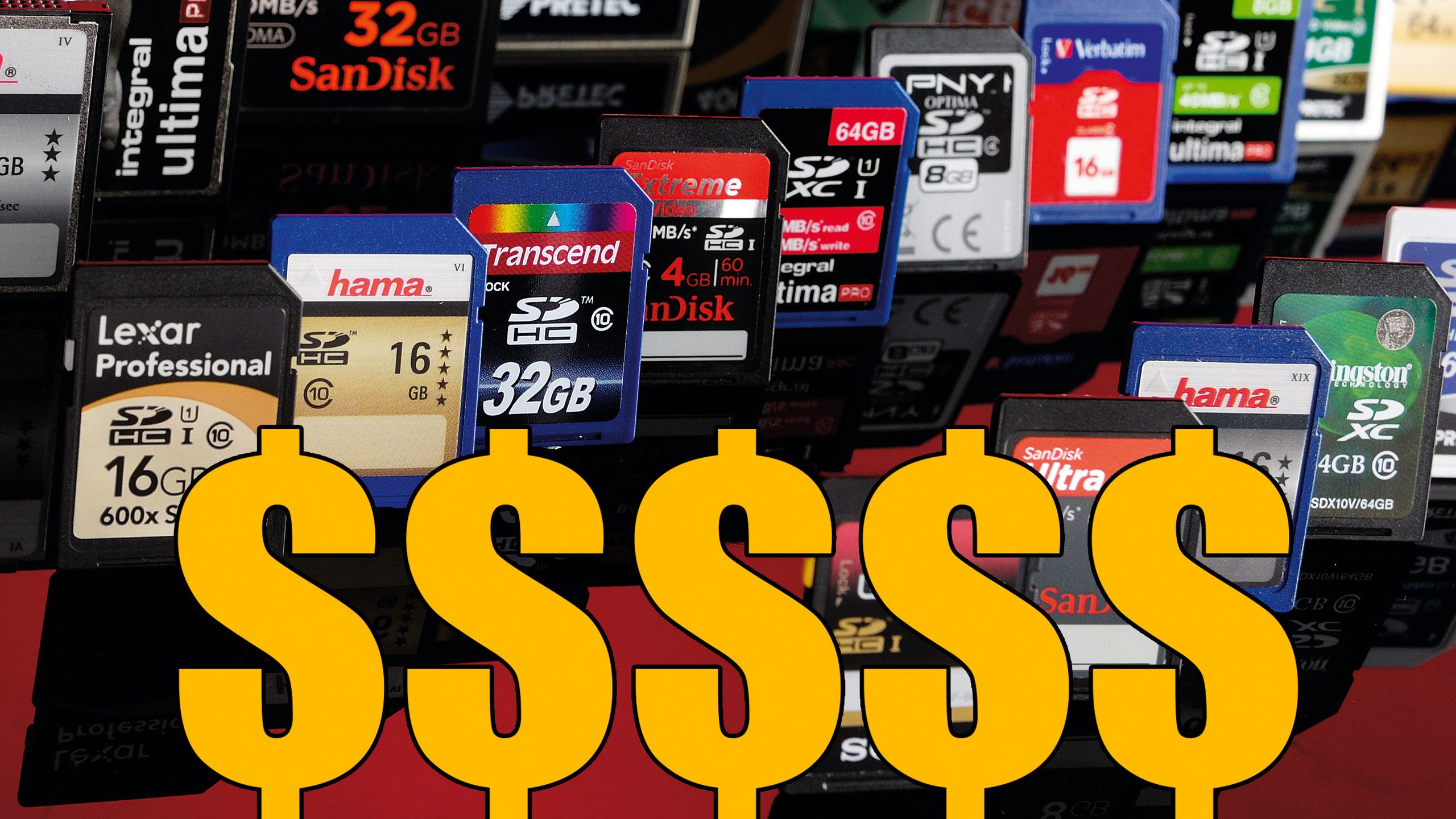
As photographers, we are constantly seeking ways to enhance our craft and capture breathtaking images. However, the recent hike in memory card prices has introduced a significant challenge for many of us. With the integration of artificial intelligence (AI) into photography, the demand for high-capacity, high-speed memory cards is skyrocketing, leading to increased costs that can strain budgets and impact our creative processes.
OWC (Other World Computing), a well-known brand in the memory card industry, has announced another price increase, citing the rising influence of AI as a primary factor. This issue isn’t isolated to OWC; it reflects a broader trend within the photography and tech sectors. As AI capabilities continue to evolve, photographers are increasingly reliant on faster and more efficient storage solutions to handle larger files generated by advanced imaging techniques and software.
These advancements often come with a price tag, as manufacturers must keep up with the technological demands. For instance, AI-enhanced cameras generate larger image files, which require memory cards with greater storage capacities and faster read/write speeds. This growing need for high-performance storage solutions has led to higher production costs, which are now being passed on to consumers. As we navigate this new landscape, it's essential for photographers to consider how these changes could affect their shooting and editing workflows.
In the broader context of the AI landscape, we see a transformative shift in how photography is approached. AI is not merely a tool; it is reshaping the entire industry, from image processing to post-production. As AI technology becomes more integrated into cameras and editing software, its influence on storage needs will only intensify. This change prompts photographers to rethink their gear choices and strategies, ensuring they are well-equipped to handle the demands of modern photography.
CuraFeed Take: The rising costs of memory cards signify a critical moment for photographers. While higher prices may initially seem like a setback, they also highlight the importance of investing in quality equipment that can support advanced technologies. To adapt, photographers should focus on refining their editing workflows and exploring cost-effective alternatives, such as bulk purchasing or considering lesser-known brands that offer competitive pricing without sacrificing quality. As the demand for AI-driven photography tools continues to grow, being proactive and informed about these changes will enable photographers to stay ahead of the curve and make strategic decisions that enhance their craft.