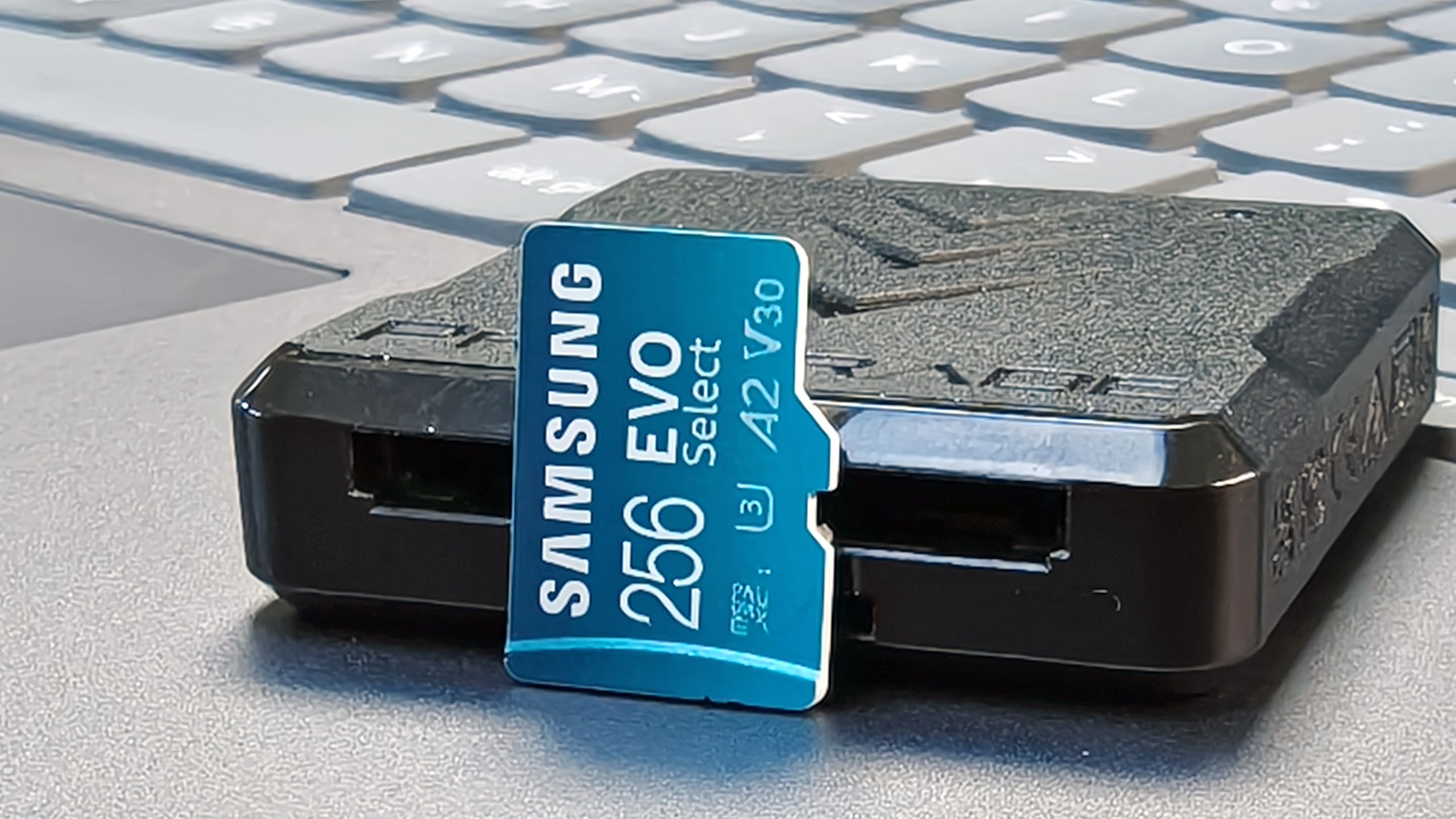
As a photographer, staying updated on the latest technological trends and challenges is essential to enhance your craft. The looming memory chip crisis, as reported by industry giant Samsung, is a critical issue that could affect the way you capture, store, and edit your photos. With the reality of increasing demand and a decreasing supply of memory components, photographers must adapt their approaches to both gear and workflows.
Samsung, the world's largest chipmaker, has recently indicated that the memory shortage is only going to worsen. Already, they are receiving orders extending into 2027, signaling a long-term challenge for the entire tech industry. This shortage of memory chips means that essential components for cameras, smartphones, and computers are becoming increasingly difficult to procure. For photographers, this translates into potential delays in upgrading equipment, limited availability of storage devices, and possibly higher prices for the gear you need.
Why does this matter? For those of us in the photography field, memory chips are at the core of our editing and storage solutions. Whether you're shooting in RAW format, which demands substantial storage, or utilizing advanced editing software that requires significant RAM, the implications of this crisis are profound. If you plan to invest in new gear, now is the time to consider your options carefully, as the landscape is likely to change dramatically over the coming months and years.
In the broader context of the tech world, the memory crisis is a reflection of ongoing supply chain challenges that many industries are facing. The COVID-19 pandemic exposed vulnerabilities in global supply chains, leading to shortages not just in memory chips, but across various components necessary for manufacturing electronic devices. As demand for high-performance cameras and editing tools continues to rise, the pressure on memory chip production intensifies, making it a pivotal moment for photographers to rethink their strategies.
CuraFeed Take: The impact of the memory chip shortage on photographers is multifaceted. While established brands might weather the storm better than newcomers, the reality is that all photographers will likely face increased costs and limited options. In the coming months, keep a close eye on how manufacturers respond—will they innovate to find alternative solutions, or will they prioritize higher-priced models? As you plan your next gear upgrades, consider investing in robust storage solutions and stay informed about potential shifts in the market. Embrace the current challenges as an opportunity to refine your skills and workflows, ensuring that your photography remains unaffected by external pressures.
In this evolving landscape, staying proactive will be key. Consider expanding your knowledge of editing techniques that help optimize your workflow, utilizing cloud storage options for backup, and even exploring new formats that may become more prevalent as technology evolves. Being prepared can make all the difference in how you navigate the memory crisis while continuing to produce outstanding work.