As photographers, we often find ourselves at a crossroads: the moment we decide to invest in new equipment. The market is flooded with options, and it’s easy to feel overwhelmed by the sheer volume of choices available. Now, more than ever, it’s vital to arm yourself with knowledge before making that purchase. Whether you’re a budding photographer or a seasoned pro, understanding the intricacies of gear can enhance your work and streamline your creative process.
Over the past thirty years in the industry, I’ve navigated the complex world of film and photography gear, learning valuable lessons along the way. These insights not only shaped my craft but also saved me from unnecessary expenses. Here are five essential lessons to keep in mind when considering new equipment for your photography arsenal.
1. Quality Over Quantity: When starting out, it’s tempting to buy every piece of gear that catches your eye. However, focusing on a few high-quality items that suit your specific needs will serve you far better in the long run. Invest in a reliable camera body and a versatile lens, and build your collection gradually as your skills and style evolve.
2. Understand Your Needs: Before you even think about hitting that purchase button, take a step back and evaluate what you truly need for your photography. Are you shooting landscapes, portraits, or perhaps street photography? Each genre has its unique requirements, and aligning your gear with your shooting style will enhance your results. For instance, a fast lens is critical for portrait work, while a sturdy tripod might be non-negotiable for landscape photography.
3. Test Before You Buy: In an age where online shopping is the norm, it’s easy to forget the importance of physically testing gear before purchasing. If possible, visit a local camera shop to handle equipment. You’ll gain a sense of how it feels in your hands, which can greatly influence your shooting comfort and style. Many stores offer rental options, allowing you to try out equipment in real-world conditions before committing.
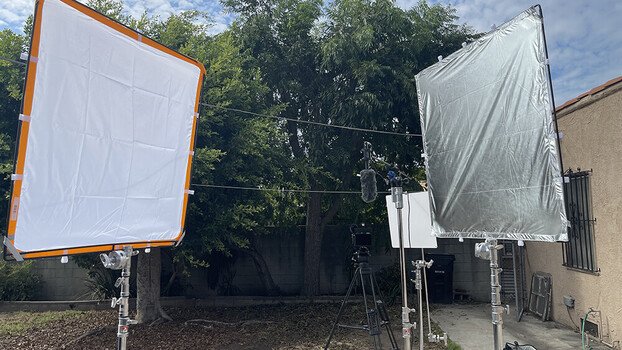
4. Don’t Ignore the Importance of Lighting: Often, photographers invest heavily in cameras and lenses while overlooking essential lighting equipment. Lighting can make or break a photo, so consider adding reflectors, softboxes, or speedlights to your kit. Understanding how to manipulate light will elevate your work beyond what mere camera specs can achieve.
5. Embrace the Learning Curve: Every piece of equipment comes with its learning curve. Don’t rush into purchasing the latest gear without understanding how to use it effectively. Take the time to read manuals, watch tutorials, and experiment with your new tools. This investment in your education will pay off significantly in the quality of your work.
As we navigate the ever-evolving landscape of photography, these lessons remain relevant. The right gear can empower your creativity, but it’s crucial to approach purchases with a discerning eye. By aligning your investments with your artistic vision and understanding the technical aspects of your tools, you can create images that resonate with your audience.
In the broader context of photography today, we see a significant shift towards digital and mirrorless systems, which offer incredible flexibility and portability. However, traditional film remains a cherished medium for many, reminding us of the roots of our craft. As technology advances, the importance of understanding foundational principles remains paramount. Photographers must adapt while preserving the essence of what makes their work unique.
CuraFeed Take: The insights shared here are not just practical; they represent a shift in how photographers should approach gear acquisition. Those who take the time to learn and refine their skills will thrive in this competitive landscape, while those who chase after trends without understanding their needs may find themselves lost. As we look ahead, expect to see more innovations in gear that emphasize user experience and adaptability. Stay curious, invest wisely, and continue to cultivate your artistic vision.