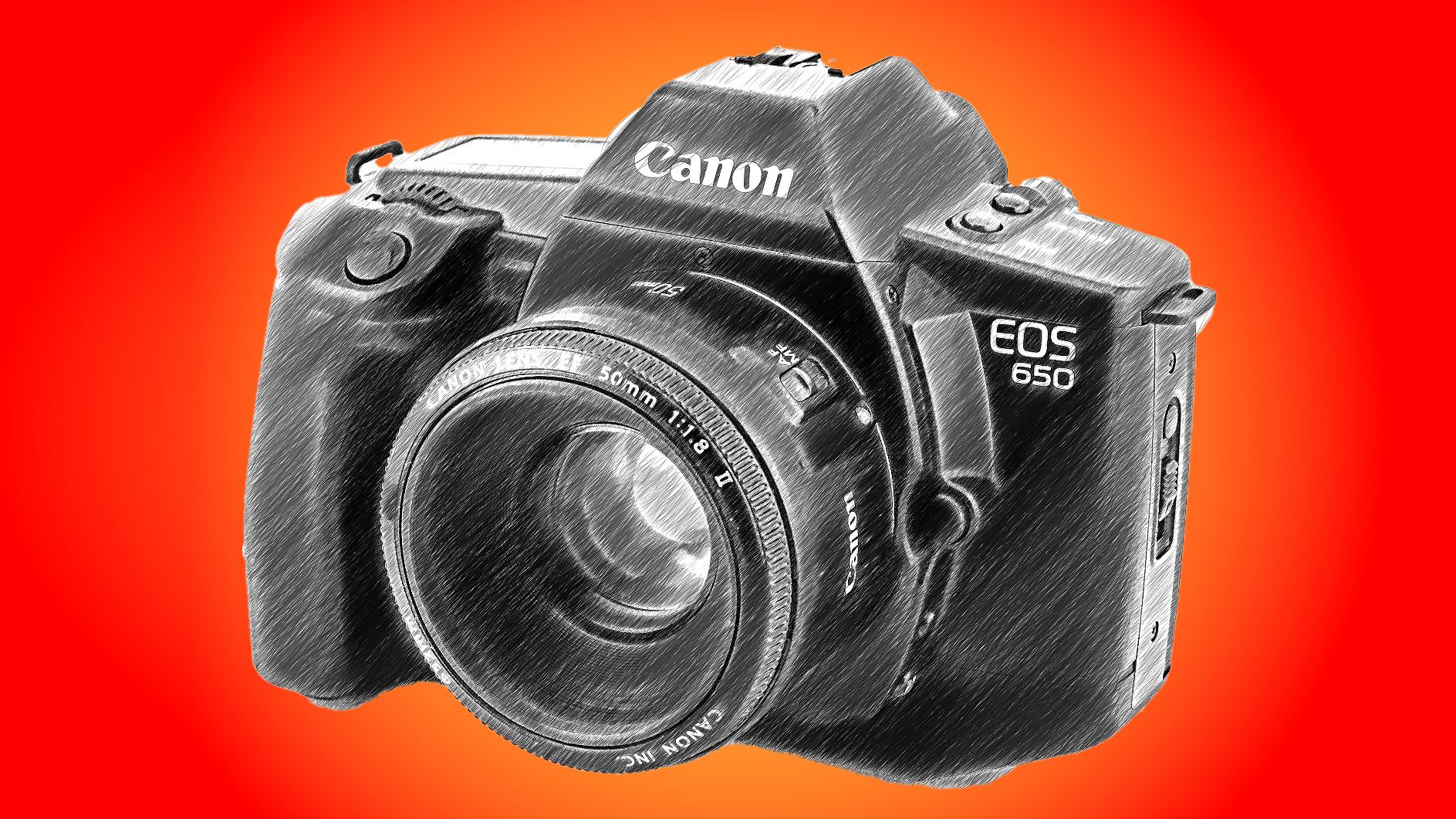
In the fast-paced world of photography, understanding the historical context of our tools can significantly impact our craft. The story of Canon’s 1980s 35mm SLR camera, often relegated to the shadows of photographic history, is a compelling reminder of how setbacks can lead to groundbreaking advancements. As photographers, recognizing these pivotal moments can inspire us to embrace innovation in our own work.
Back in the 1980s, Canon released a 35mm SLR camera that, despite its ambitious features, flopped in the marketplace. This camera was designed to push boundaries, integrating cutting-edge technology that was ahead of its time. While it ultimately failed to gain traction, the lessons learned from this misadventure spurred Canon to rethink its design philosophy and approach to camera manufacturing. This reinvention laid the groundwork for the development of cameras that would eventually revolutionize the industry.
One of the most significant shifts following this failure was Canon's focus on user-friendly design and advanced features that would appeal to both amateur and professional photographers. This shift not only changed how cameras were built but also redefined the relationship between photographers and their equipment. The resulting innovations ultimately paved the way for the digital photography revolution, making it easier for photographers to capture the world around them with precision and creativity.
In the broader context of technology, Canon's journey reflects a common theme in the evolution of tools used in creative fields. Each misstep and subsequent reinvention serves as a catalyst for growth, ultimately leading to advancements that can enhance our craft. The connection between Canon’s forgotten failure and the rise of the World Wide Web underscores how interconnected technological progress can be, influencing everything from camera design to image sharing in the digital age.
CuraFeed Take: The legacy of Canon's 1980s SLR is not just a tale of failure; it is a testament to the importance of learning from setbacks. As photographers, we can draw inspiration from this history—understanding that every challenge we face in our craft can lead to new avenues for creativity and innovation. Moving forward, it’s crucial to embrace the evolving technology in photography, whether it’s through advanced editing software or the latest camera features, as these tools will shape the future of our art. Keep an eye on how new innovations will continue to emerge from the lessons of the past, and let them guide your own photographic journey.