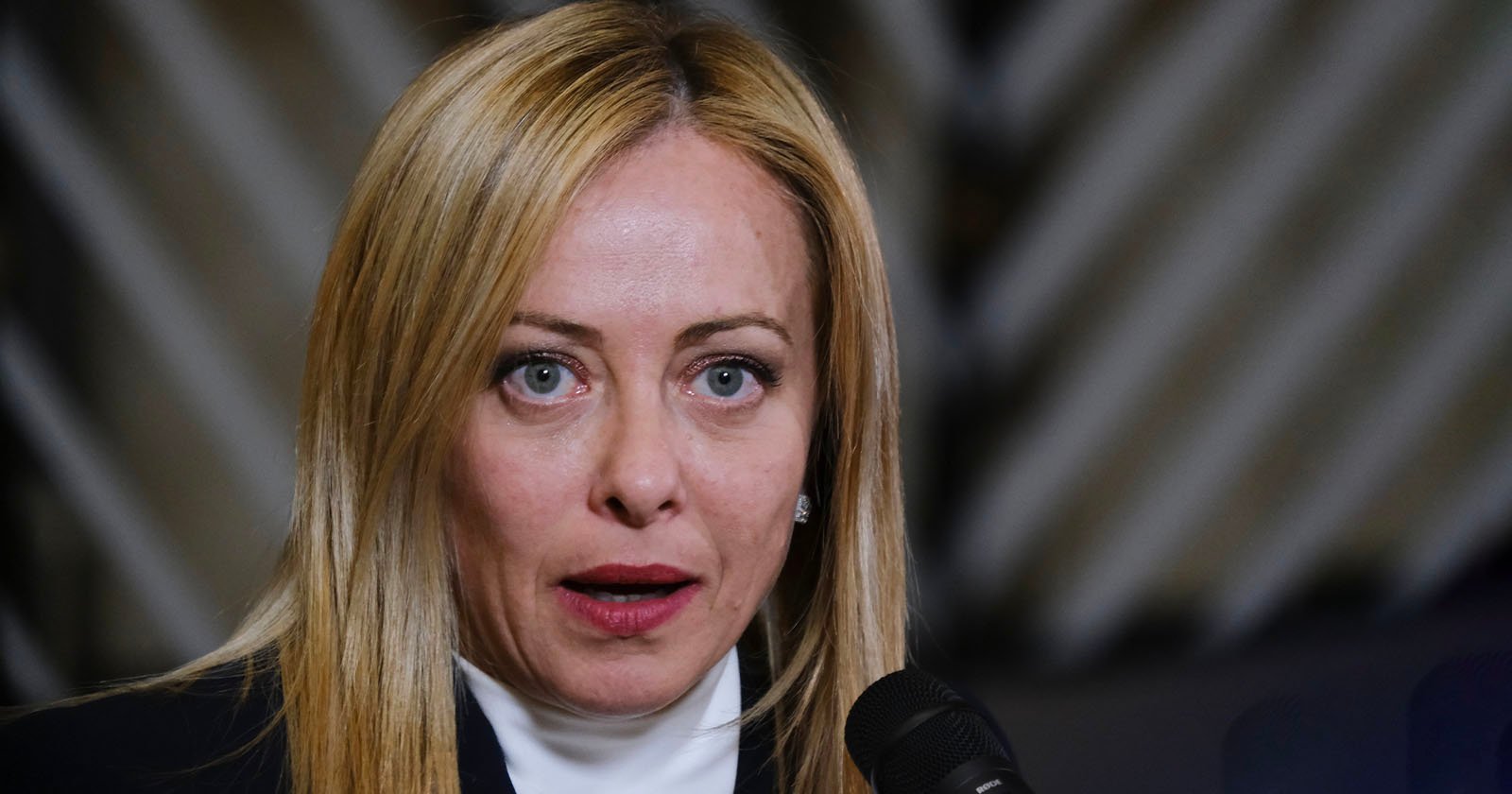
With the rapid evolution of artificial intelligence, the photography landscape is being reshaped in surprising and sometimes unsettling ways. Just recently, Italian Prime Minister Giorgia Meloni stirred considerable debate by sharing a deepfake image of herself in a vulnerable state. This bold act was not merely a publicity stunt; it served as a stark warning about the potential misuse of AI-generated imagery in our digital age. As photographers, we must recognize the implications of such technologies—not only for our work but also for the integrity of visual media.
The prime minister's decision to showcase a manipulated image raises critical questions about authenticity and consent in photography. Deepfakes utilize sophisticated algorithms that can generate hyper-realistic images and videos, often blurring the lines between reality and fiction. For photographers, this means that our traditional understanding of composition and exposure is being challenged by a new category of images that are not captured but created. Understanding the technical specifics of how deepfakes operate can empower us to navigate this changing landscape more effectively.
In the realm of photography, composition involves not just framing a shot but also ensuring that the subject is presented truthfully. However, with tools that can fabricate images so convincingly, the responsibility falls on photographers to uphold ethical standards. We must remain vigilant in our practices and educate ourselves about these emerging technologies. This means exploring the depths of AI-generated content, understanding the capabilities of software that can create these images, and recognizing how to differentiate between real and fabricated visuals.
Moreover, the implications of deepfake technology extend beyond the individual photographer. They have the potential to disrupt the entire industry. The rise of AI-generated content raises concerns about copyright, image ownership, and the protection of personal likenesses. For example, if a professional photo can be easily replicated or altered using AI, it raises questions about the value of original work and the future of image licensing. As photographers, we must anticipate these shifts and consider how they might affect our business models and creative expressions.
As we delve deeper into the broader AI landscape, it becomes evident that the tools we use for photography are evolving. AI is not just a threat; it also presents opportunities for innovation. For instance, AI can enhance editing workflows, streamline post-processing, and even assist in creative decision-making. By embracing AI’s potential while remaining aware of its ethical implications, we can foster a more informed practice that respects both the artistry of photography and the rights of individuals.
CuraFeed Take: The deepfake phenomenon is a double-edged sword for photographers. On one hand, it serves as a reminder of the ethical responsibilities we hold in an increasingly digital world; on the other, it highlights the importance of evolving our skills to adapt to new technologies. Moving forward, photographers should not only refine their technical expertise but also engage in conversations about the ethical dimensions of AI in photography. The winners in this landscape will be those who can harness AI’s capabilities while maintaining the integrity of their craft. As we look ahead, keeping an eye on developing AI tools will be crucial in navigating this new era of visual storytelling.