In the realm of photography, the pursuit of the perfect shot can often feel daunting. As technology advances and the art form evolves, many aspiring photographers find themselves overwhelmed by the pressure to consistently produce stunning images. But what if I told you that even legendary photographers like Ansel Adams only expected to capture a mere twelve exceptional photos each year? In a world where social media constantly showcases flawless images, it’s essential to recognize that most photography is a process of trial and error.
Adams, renowned for his breathtaking landscapes and masterful use of light and shadow, understood that the majority of his work would not meet his high standards. This mindset is crucial for photographers today, as it shifts the focus from the end result to the practice and experimentation involved in the craft. Rather than getting discouraged by the abundance of "rubbish" shots, it’s time to embrace them as stepping stones on the path to improvement. Each click of the shutter is an opportunity to learn, refine techniques, and push creative boundaries.
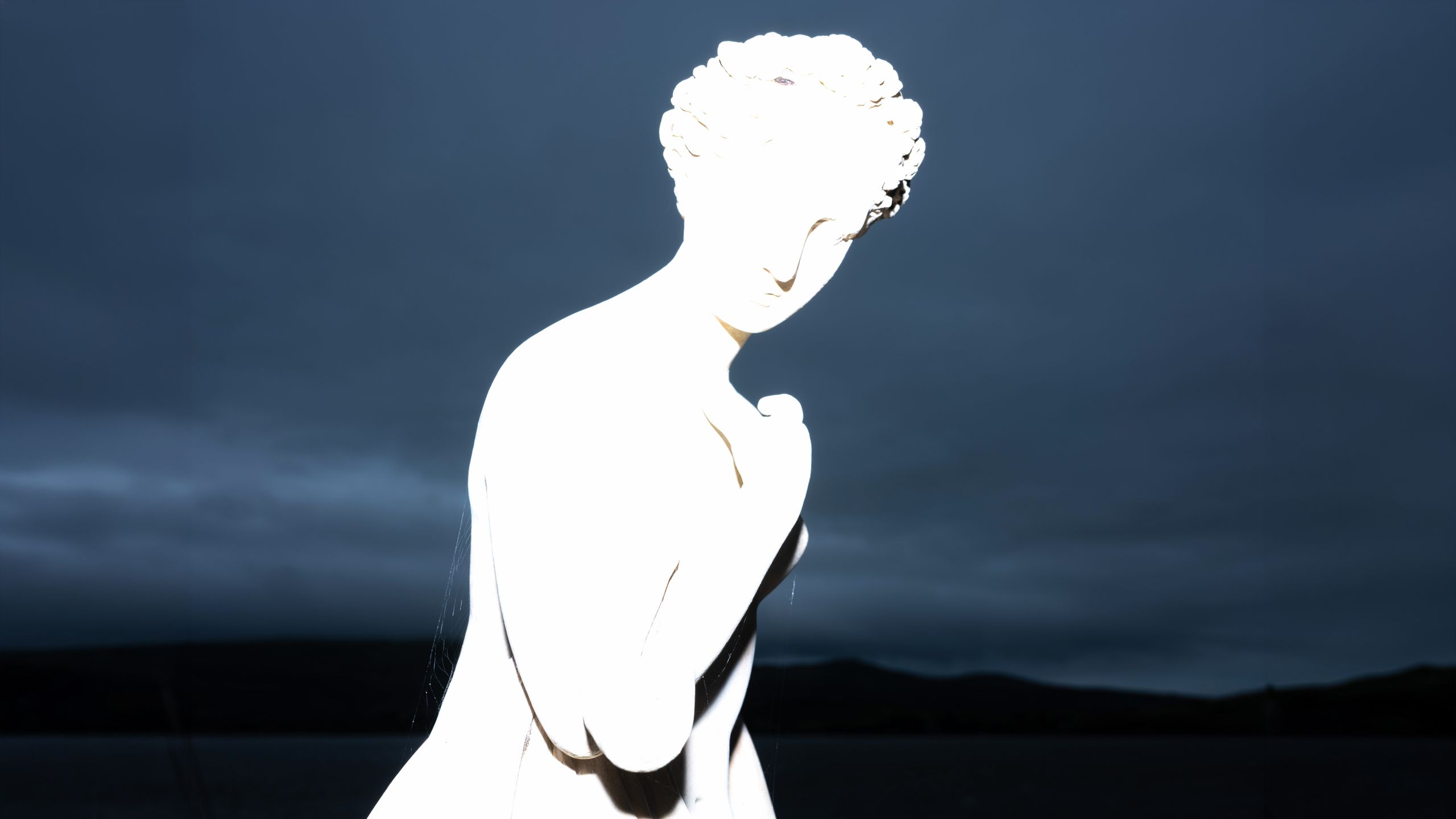
When analyzing your own photography, it's important to remember that great images often arise from countless mediocre ones. The key lies in understanding composition, lighting, and editing workflows that can elevate an otherwise ordinary shot into something extraordinary. Take a moment to reflect on your recent work: how many images did you capture that didn’t quite resonate with you? Instead of discarding them, consider what went wrong—was it the composition that felt off, or perhaps the lighting wasn’t quite right? This critical analysis can lead to substantial growth and a deeper understanding of your artistic voice.
Furthermore, the digital age has made it easier than ever to experiment with different techniques. With the advent of powerful editing software, photographers can manipulate their images to achieve desired effects and correct mistakes that might have otherwise gone unnoticed. This gives you the freedom to explore various styles and approaches without the fear of wasting resources. Use editing as a tool to enhance your images while also recognizing that the raw, unedited versions hold valuable lessons about your shooting techniques and decisions.
In the broader context of photography, this notion of accepting imperfection aligns with a growing movement within the artistic community that embraces authenticity over perfection. As more photographers share their unfiltered journeys, the pressure to present only polished work diminishes. This cultural shift encourages a more inclusive environment where photographers of all skill levels can appreciate the beauty of experimentation and growth.
CuraFeed Take: The takeaway from this perspective is profound: most of your photography will be a mix of hits and misses, but that’s where the magic lies. By allowing yourself the grace to create "rubbish," you’re not only liberating your creative process but also fostering a deeper connection with your evolving style. As you navigate this artistic journey, remember to celebrate the imperfect images just as much as the exceptional ones—they are all part of your unique story as a photographer. Going forward, keep an eye on how this acceptance of imperfection influences the photographic landscape, particularly as more artists share their authentic experiences. The future of photography may well depend on how we redefine success in our craft.