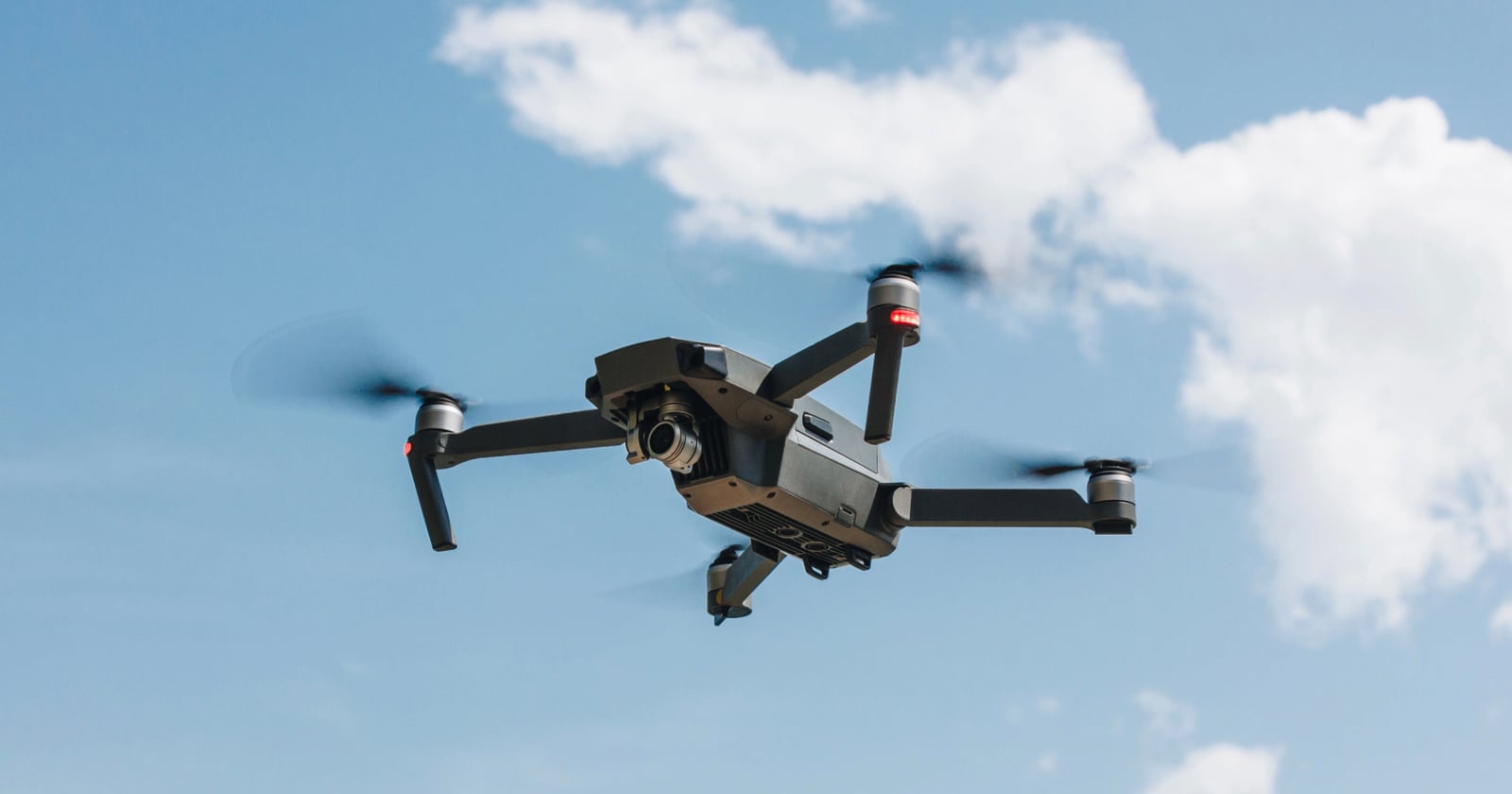
Photography is an art form that thrives on capturing fleeting moments, whether it’s the jubilant faces of fans in a stadium or the breathtaking aerial views of a bustling cityscape. As anticipation builds for the upcoming FIFA World Cup, a grand stage for sports and culture, the Federal Aviation Administration (FAA) has thrown a curveball that could ground many aspiring aerial photographers. The message? Fly your drones near the World Cup stadiums at your peril; the consequences could be as high as $100,000 in criminal fines.
This stern warning from the FAA has transformed all FIFA World Cup venues into “No Drone Zones,” a term that sends shivers down the spine of those eager to document this global celebration from the skies. The restrictions aim to ensure safety and security during one of the largest sporting events in the world, but they also cast a shadow over the creative aspirations of photographers who seek to capture the magic of the moment from above.
What does this mean for photographers who utilize drones as a vital tool in their craft? The FAA's decision serves a dual purpose: it seeks to protect the integrity of the event while simultaneously underscoring the immense responsibility that comes with drone photography. The stakes are high, and with the world’s eyes focused on these stadiums, authorities are determined to maintain a secure environment. For many photographers, the challenge lies not just in their ability to adapt, but in their resilience to explore new avenues of creativity amidst such limitations.
As we navigate the thrilling yet complex landscape of photography, the implications of the FAA’s stance extend beyond just the World Cup. Drone photography has become a powerful medium, offering perspectives that were once unimaginable. From sweeping landscapes to intimate portraits, the art form has flourished, attracting both enthusiasts and professionals. Yet, with regulations tightening, the industry must confront the reality that not every captivating shot can be obtained legally.
Across the globe, the discussion surrounding drone usage is intensifying. As technology advances, so too does the conversation about privacy, safety, and the ethical implications of capturing images from above. The FAA’s stringent measures at the World Cup serve as a microcosm of a larger debate—how do we balance the desire to capture stunning visuals with the need for security and respect for public spaces? With each passing day, photographers are challenged to rethink their approach, harnessing creativity while complying with ever-evolving regulations.
CuraFeed Take: The FAA's decision to impose hefty fines for drone use near World Cup stadiums is a clear indication that the intersection of technology and creativity is fraught with challenges. While some may view this as an overreach, it’s essential to recognize the broader implications for the photography industry. As regulations tighten, photographers must innovate within constraints, finding new ways to tell their stories—perhaps through ground-level shots or by embracing alternative technologies like 360-degree cameras. The future of visual storytelling may not lie in the skies but rather in the ingenuity of those who wield the camera, reminding us that art thrives even in the face of adversity.