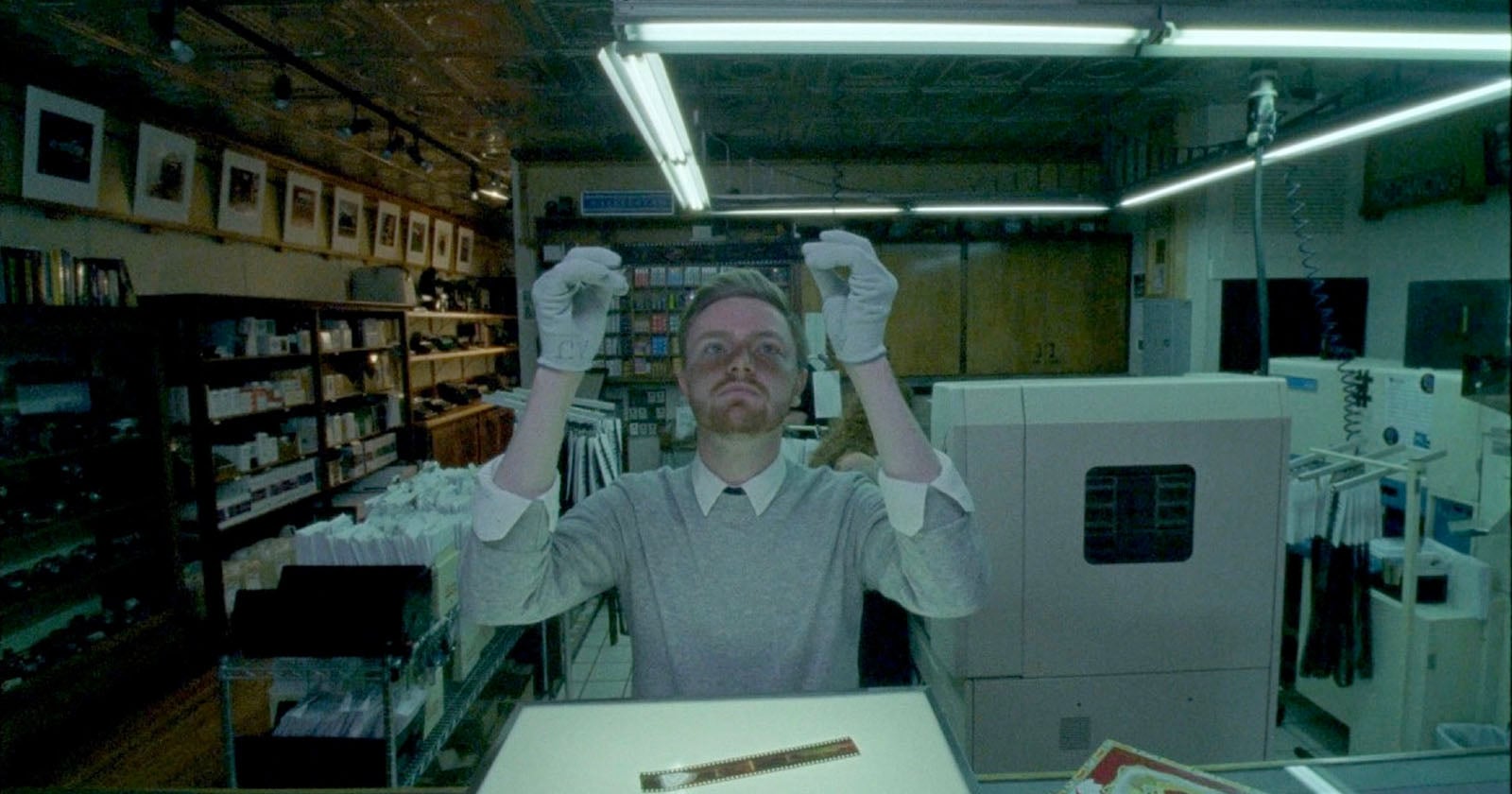
In an age where digital photography rules the landscape, the story of Blue Moon Camera and Machine in Portland serves as a compelling reminder of the enduring passion for traditional photography. As practicing photographers, we often grapple with the question of how to balance the convenience of modern technology with the rich, tactile experience of film. The recent short film, "Your First and Last Camera Store," beautifully encapsulates this tension and highlights the importance of community in nurturing creativity.
Founded in 2001 by Jake Shivery, Blue Moon Camera and Machine emerged in a city already saturated with eleven other camera stores. Despite the overwhelming competition, Shivery opened his doors on December 1 with a clear vision: to create a space where both seasoned photographers and newcomers could explore the depths of their craft. However, the initial response was disheartening; on that first day, no customers walked through the door. This moment of vulnerability, though, sparked a journey that would transform not just the store, but the local photography scene.
The film delves into the essence of what makes Blue Moon so special. It’s not just a shop; it’s a sanctuary for those who appreciate the art of film. With a meticulously curated selection of cameras, film, and supplies, along with a knowledgeable staff ready to share their expertise, Blue Moon became a gathering place for workshops, discussions, and creative collaborations. As photographers, it’s essential to understand how community can amplify our skills and inspire our work, making this short film a must-watch for anyone serious about their craft.
The backdrop of Portland, a city known for its eclectic art scene, plays a significant role in the narrative. The film captures the vibrant culture that surrounds Blue Moon, showcasing not only the shop's interior but also the lives of photographers who frequent it. Their stories, infused with passion and creativity, remind us that photography transcends mere technical skill; it’s about connecting with others and sharing our visions with the world. The film thus serves as a poignant reminder of the importance of local resources in honing our craft.
As we look at the broader landscape of photography, it's clear that traditional methods are experiencing a renaissance. With each passing year, more photographers are rediscovering the beauty of film, the artistry of developing prints, and the satisfaction that comes from tangible photographs. This resurgence emphasizes a collective desire to slow down and appreciate the nuances of our craft, something that Blue Moon embodies fully. The film highlights how this store has adapted to changing times, embracing both film and digital enthusiasts, making it relevant in a fast-evolving industry.
CuraFeed Take: The story of Blue Moon Camera and Machine isn't just about a store; it represents a pivotal moment in the photography community. As digital technologies continue to advance, the passion for traditional photography persists. This film serves as a beacon for photographers everywhere, urging us to seek out local resources, engage with our communities, and remember that our craft is as much about connection as it is about technique. Moving forward, we should keep our eyes on the trends emerging from grassroots movements like Blue Moon, as they hold the key to not only preserving the art of photography but also inspiring a new generation of creatives who will keep the medium alive.