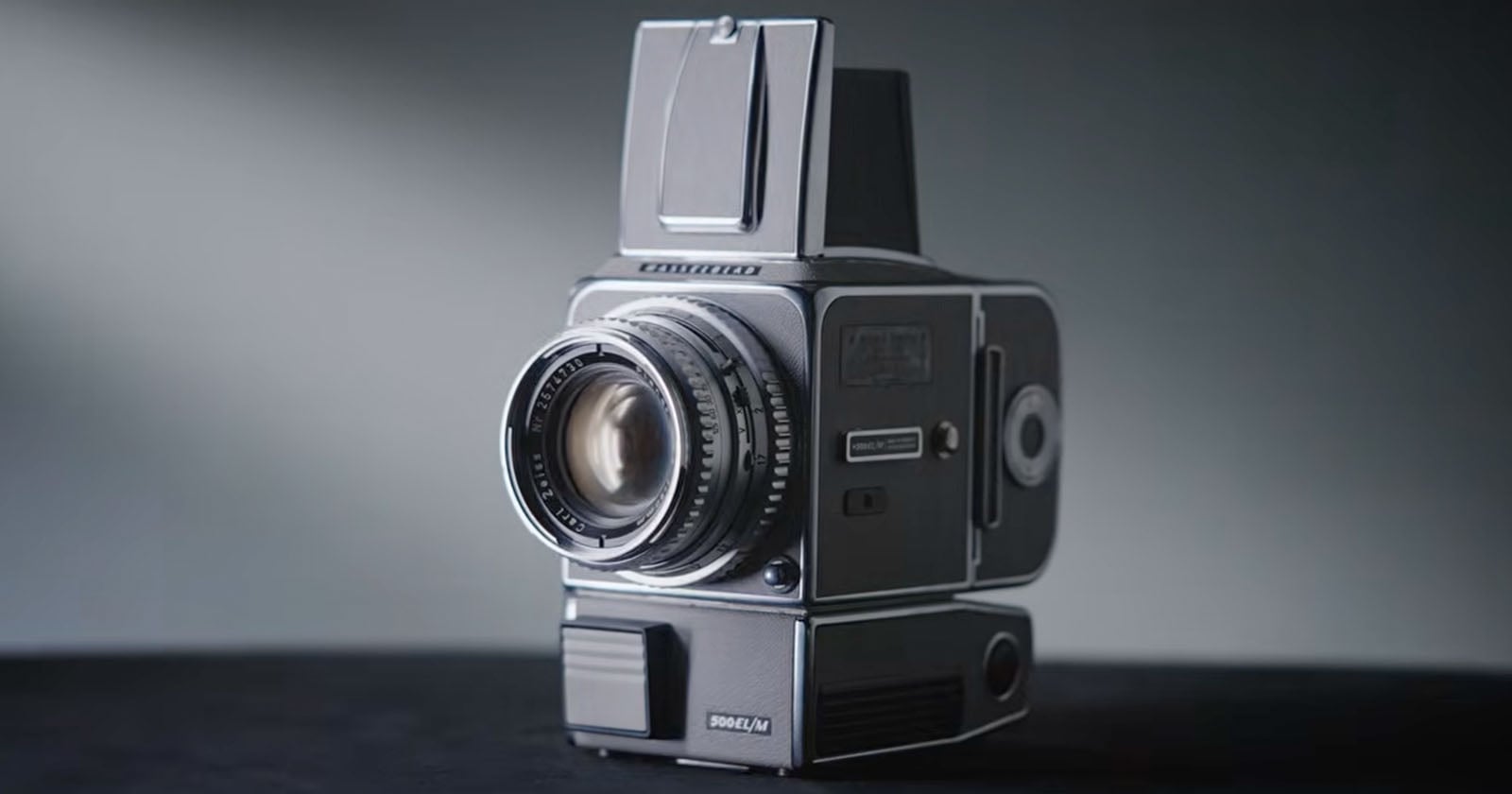
In the ever-evolving world of photography, there are moments when the past can ignite our creative spark and guide our technical prowess. The Hasselblad 500 EL/M, particularly the "20 Years in Space" edition released in 1982, serves as a striking reminder of how design and functionality can intertwine to produce an exceptional photographic tool. For photographers seeking to refine their craft, understanding the legacy and technical specifications of such a camera is essential, especially as we continue to navigate modern advancements.
The Hasselblad 500 EL/M is not just a camera; it’s a piece of history. This medium format beauty was notably used by astronauts during NASA's Apollo missions, capturing images that have since become iconic. Its robust construction, coupled with a large, stunning lens capable of producing sharp images with breathtaking detail, makes it an ideal subject for photographers interested in mastering composition and lighting. The camera’s waist-level viewfinder, while a throwback to traditional shooting methods, encourages a more thoughtful approach to framing and perspective, pushing photographers to engage with their subjects on a deeper level.
What sets the 500 EL/M apart is its electronic features, a rarity for cameras of its time. The camera includes a motorized film advance, allowing for smoother operation and enabling photographers to focus on their composition rather than mechanical concerns. The meticulous craftsmanship behind this model exemplifies the precision needed in photography—qualities that modern photographers can emulate in their own work by focusing on technique and detail. This camera’s ability to handle various lighting conditions also serves as a case study for achieving optimal exposure, an essential skill in any photographer's toolkit.
As we explore the broader context of photography, the resurgence of interest in vintage cameras amidst the digital age reflects a collective yearning for tactile, hands-on experiences. While digital cameras provide convenience and immediate gratification, there's an undeniable charm and learning opportunity offered by classic models like the Hasselblad 500 EL/M. The slow, deliberate process of shooting with such a camera fosters a deeper understanding of light, shadow, and composition—elements that remain timeless in photography.
CuraFeed Take: The revival of interest in the Hasselblad 500 EL/M signifies a shift in how photographers view their craft; it’s not just about capturing images but embracing the artistry involved in the process. As we move forward, expect to see more photographers adopting techniques from the past to enhance their modern workflows. This blending of old and new will likely lead to a richer photographic landscape, where creativity thrives on the foundations laid by classic cameras. For enthusiasts and professionals alike, keeping an eye on vintage models and their influence on current trends will be essential for evolving one's own practice.
In conclusion, if you’re looking to elevate your photography skills, consider revisiting the roots of the craft. Explore the techniques and principles that made cameras like the Hasselblad 500 EL/M a staple in the industry. Harness this knowledge to inspire your own work, and watch as your photographic vision flourishes.