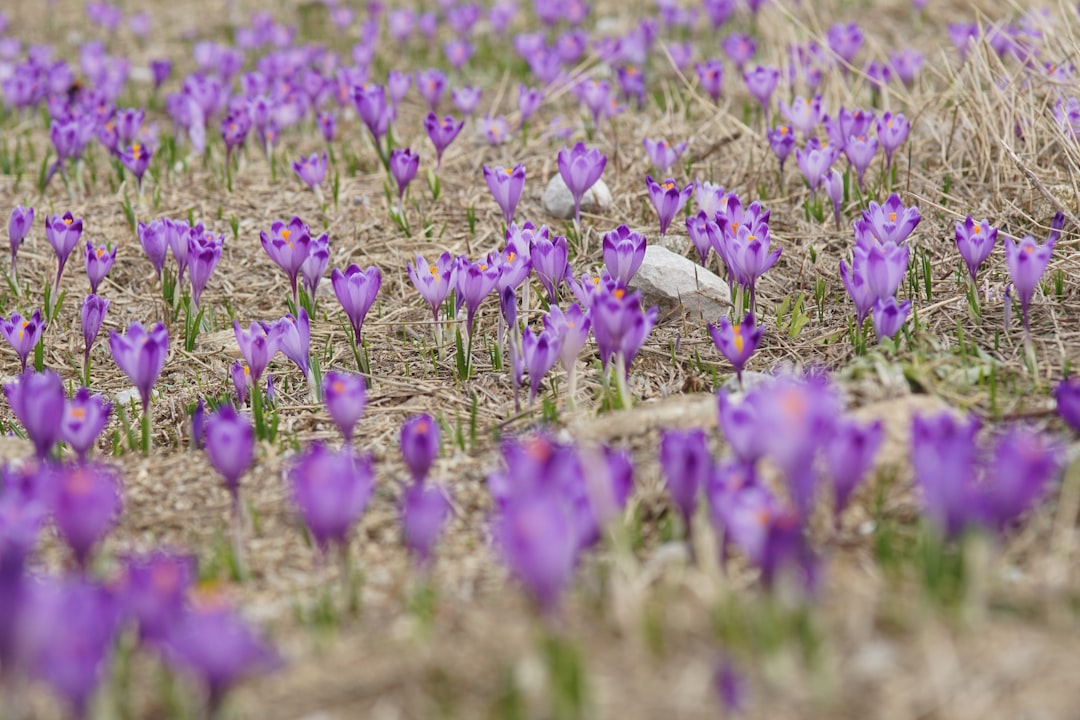
As photographers, we often chase new horizons, seeking the thrill of capturing the unseen. However, there’s an unparalleled joy in focusing your lens on a single, familiar subject, allowing you to delve deeper into its nuances. The Prairie Crocus, a delicate flower that blooms in early spring, offers an excellent opportunity to refine your craft and explore the intricate details that often go unnoticed in the hustle of wildlife photography.
The Prairie Crocus, known scientifically as Anemone patens, is a resilient flower that thrives in the harsh conditions of the prairie. This perennial plant boasts vibrant purple petals and a distinctive yellow center, making it a striking subject for photographers. Capturing this flower requires a keen eye for composition and a solid understanding of lighting. The soft, diffused light of early morning or late afternoon is ideal for highlighting the delicate features of the crocus, as it reduces harsh shadows and emphasizes the flower's texture.
When approaching the Prairie Crocus, consider your composition carefully. A low-angle shot can create a sense of intimacy, allowing the viewer to appreciate the flower in its natural habitat. Use the rule of thirds to create balance in your frame; position the crocus off-center while including elements of the surrounding landscape. This technique not only draws the eye but also tells a story of the flower's relationship with its environment. Experimenting with different apertures can also enhance your shots; a wide aperture can create a dreamy background bokeh, making the crocus stand out as the focal point.
In addition to composition, lighting plays a crucial role in capturing the essence of the Prairie Crocus. Utilize natural light to your advantage; overcast days can provide soft, even lighting that is perfect for flower photography. Alternatively, the golden hour—shortly after sunrise or before sunset—produces warm tones that can elevate the vibrancy of your images. If you find yourself shooting mid-day when the sun is harsh, consider using a diffuser to soften the light or shooting from the shade to avoid blown highlights.
Editing is the final step in your creative process, allowing you to enhance the images captured in the field. Utilize software like Adobe Lightroom or Photoshop to fine-tune your photos. Start with basic adjustments—exposure, contrast, and saturation—before moving on to more advanced techniques like selective color adjustments to emphasize the crocus’s purple hues. A subtle vignette can also draw attention to your subject while adding depth to the overall image.
Photographing a single subject like the Prairie Crocus isn't just about the technical aspects; it's also an opportunity for personal growth as an artist. By focusing on one flower, you can explore its various forms and colors, studying how light interacts with its petals at different times of day. This practice can lead to a deeper understanding of your photographic style and help you develop a more coherent body of work.
In a world where many photographers constantly seek new subjects, taking the time to explore a familiar one can yield surprising results. You may notice details you previously overlooked or find new perspectives that resonate with your creative vision. Embracing this approach not only enhances your technical skills but also fosters a more profound connection with your subject.
CuraFeed Take: The practice of deeply exploring a singular subject like the Prairie Crocus can redefine a photographer's journey. In the fast-paced photography landscape, where trends shift rapidly, this approach allows for the cultivation of a distinct photographic voice. As photographers, we should remember that mastery comes not just from the breadth of our portfolios, but from the depth of our explorations. Keep an eye on how this trend evolves, as artists continue to find new ways to engage with familiar subjects, leading to innovative techniques and fresh perspectives.