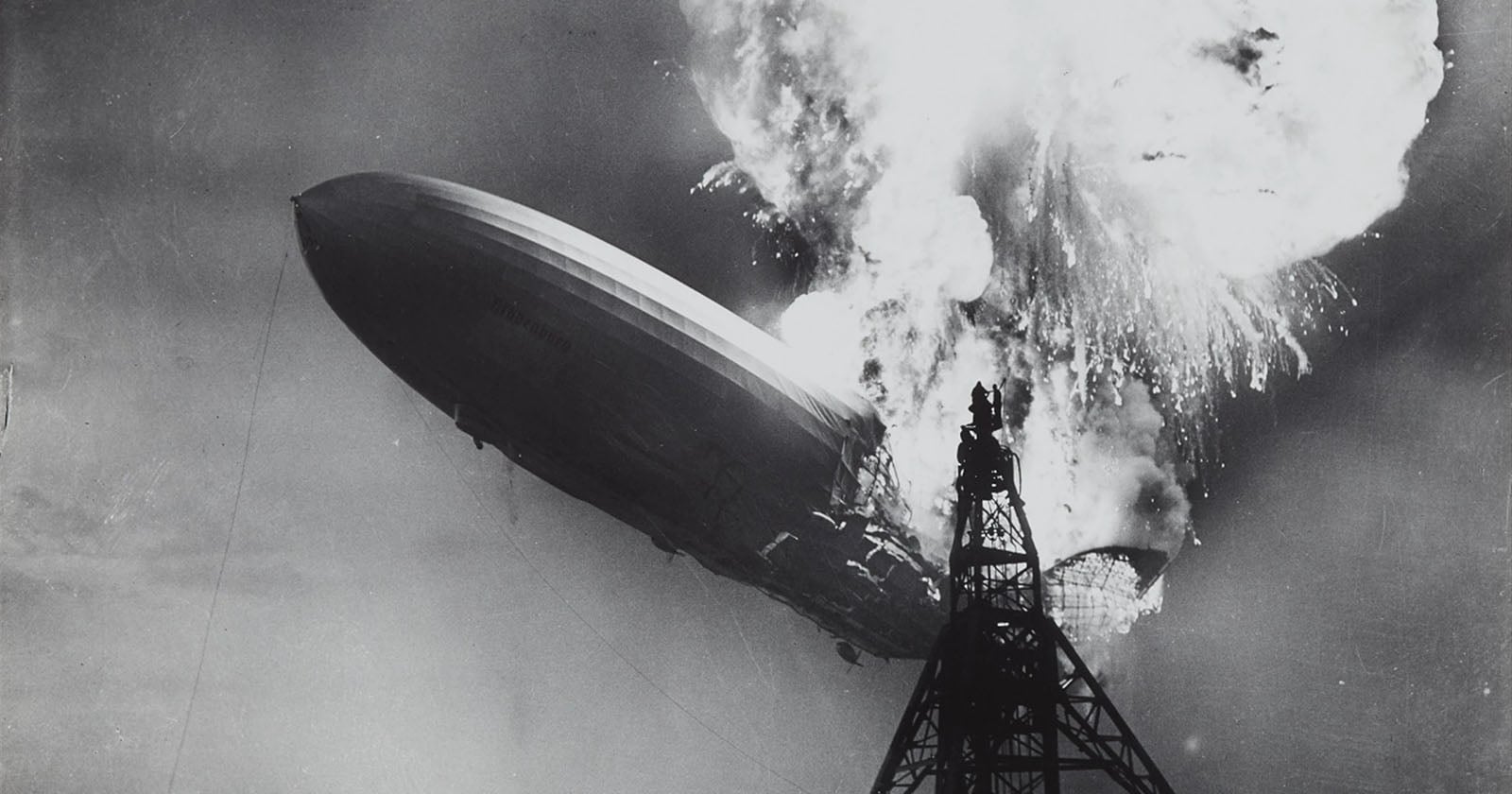
On May 6, 1937, the Hindenburg airship met a catastrophic end at Lakehurst, New Jersey, a moment that shocked the world and marked the decline of airship travel. While the tragedy resulted in 35 fatalities and numerous injuries, it also produced some of the most haunting and iconic photographs in history. These images not only captured the devastating moment but also showcased the art of photography in a way that continues to teach and inspire contemporary photographers.
What makes the photographs from the Hindenburg disaster stand out? For starters, the combination of composition and lighting played a critical role. The dramatic contrast of the airship engulfed in flames against the sky created a stunning visual narrative. Photographers of the time utilized the natural light of the day to enhance the emotional impact, a technique that remains vital for photographers today. Understanding how to use available light can turn an ordinary scene into an extraordinary photograph.
Moreover, the framing of the shots contributed to their power. Many photographers positioned themselves strategically to capture the full scale of the Hindenburg against its mooring mast, giving context to the enormity of the disaster. This principle of composition—balancing subject placement with the surrounding environment—can be applied in any photographic endeavor. By considering your angles and the elements within the frame, you can create images that tell a more compelling story.
In the years since the Hindenburg disaster, photography has evolved dramatically, yet the core principles of effective visual storytelling remain unchanged. As we delve deeper into the ways these historical images continue to influence modern photography, it’s essential to recognize how techniques have adapted while still maintaining the essence of compelling imagery.
The images from that fateful day are not just historical artifacts; they serve as a benchmark for photographic excellence. The high level of detail and clarity achieved through the technology of that time is impressive, considering the limitations photographers faced. Modern photographers can learn from this by focusing on their own editing workflows. While today’s digital tools offer extensive editing capabilities, the goal should be to enhance, not overshadow, the original capture. Understanding how to maintain the integrity of an image while refining it can make a significant difference in your final outcome.
As you reflect on the Hindenburg images, consider how each photograph conveyed a unique perspective and emotion. The photographers involved were not merely documenting an event; they were telling a story. As practicing photographers, we must remember the importance of narrative in our work. Each photograph should evoke an emotional response or provoke thought, much like the Hindenburg shots did for audiences then and continue to do so today.
The evolution of technology has transformed the tools at our disposal, yet the fundamental aspects of composition, lighting, and storytelling remain timeless. Whether you’re shooting with a high-end DSLR or a smartphone, the principles of photography are universal. Strive to capture moments that resonate and evoke emotion, as the Hindenburg images did nearly 90 years ago.
CuraFeed Take: The Hindenburg disaster serves as a poignant reminder that photography is as much about the story as it is about the technical aspects. As we navigate the modern landscape filled with digital advancements and AI tools, it’s crucial to prioritize the artistry behind the lens. The winners in this evolving field will be those who harness technology while remaining rooted in the fundamental principles of effective photography. Looking ahead, we should watch for emerging trends in storytelling through photography, as they will shape the way we connect with audiences in the years to come.