As photographers, we often face a range of challenges that can affect the quality of our images. From unpredictable weather to demanding lighting conditions, every shoot presents its own set of hurdles. However, what if we told you that your camera might be tougher than you think? Thanks to NASA's recent tests of commercial cameras in extreme conditions, we now have insights that could revolutionize how we approach our craft.
In a comprehensive presentation from 2022, NASA evaluated the performance of popular cameras like the Canon EOS R5 and Nikon D6 in a vacuum chamber designed to replicate the harsh conditions of space. These tests are not just for show; they reflect a meticulous process of ensuring that technology can withstand the most challenging environments. The findings are particularly relevant for photographers who want to understand their gear better, especially those who venture into extreme shooting conditions.
The tests involved placing the Canon R5 and Nikon D6 in a thermal-vacuum chamber, where they were subjected to temperature fluctuations ranging from -30°C to +40°C (-22°F to +104°F). What’s fascinating here is that both cameras performed remarkably well, demonstrating similar operational characteristics without any modifications. This reinforces the idea that off-the-shelf gear can often handle more than we might assume, a sentiment that should boost your confidence when shooting in less-than-ideal conditions.
Before the cameras were subjected to the vacuum, they underwent a 'bakeout' process, where they were heated to 50°C (122°F) for 72 hours. This step is crucial because it eliminates any volatile materials that could interfere with performance in a vacuum. For photographers, this highlights the importance of preparing your gear properly; whether it’s warming up your camera in cold weather or ensuring your lenses are clean from dust, preparation can make a significant difference.
During the tests, both stills and video modes were examined. The Canon R5 was particularly pushed to its limits, recording video until it overheated, then taking five-minute breaks to cool down. Although the D6 didn’t undergo the same rigorous video tests, both cameras proved functional in the harsh environment. This underlines an essential shooting tip: don’t shy away from pushing your gear to its limits. Just like NASA’s researchers, you might discover the hidden strengths of your equipment.
However, not all cameras fared equally. The Nikon Z7II struggled under near-vacuum conditions, losing connection while recording video. This serves as a reminder of the importance of reliability in your gear, especially if you’re shooting in dynamic or remote situations. When selecting your equipment, consider not just the specifications but also how it performs in challenging environments.
The testing process also underscored a common pitfall that many photographers experience: forgetting to set your camera to capture in RAW format. It’s a mistake even NASA researchers made, showcasing the importance of double-checking your settings before a shoot. As photographers, we should cultivate a habit of thorough preparation, ensuring we get the most out of our sessions.
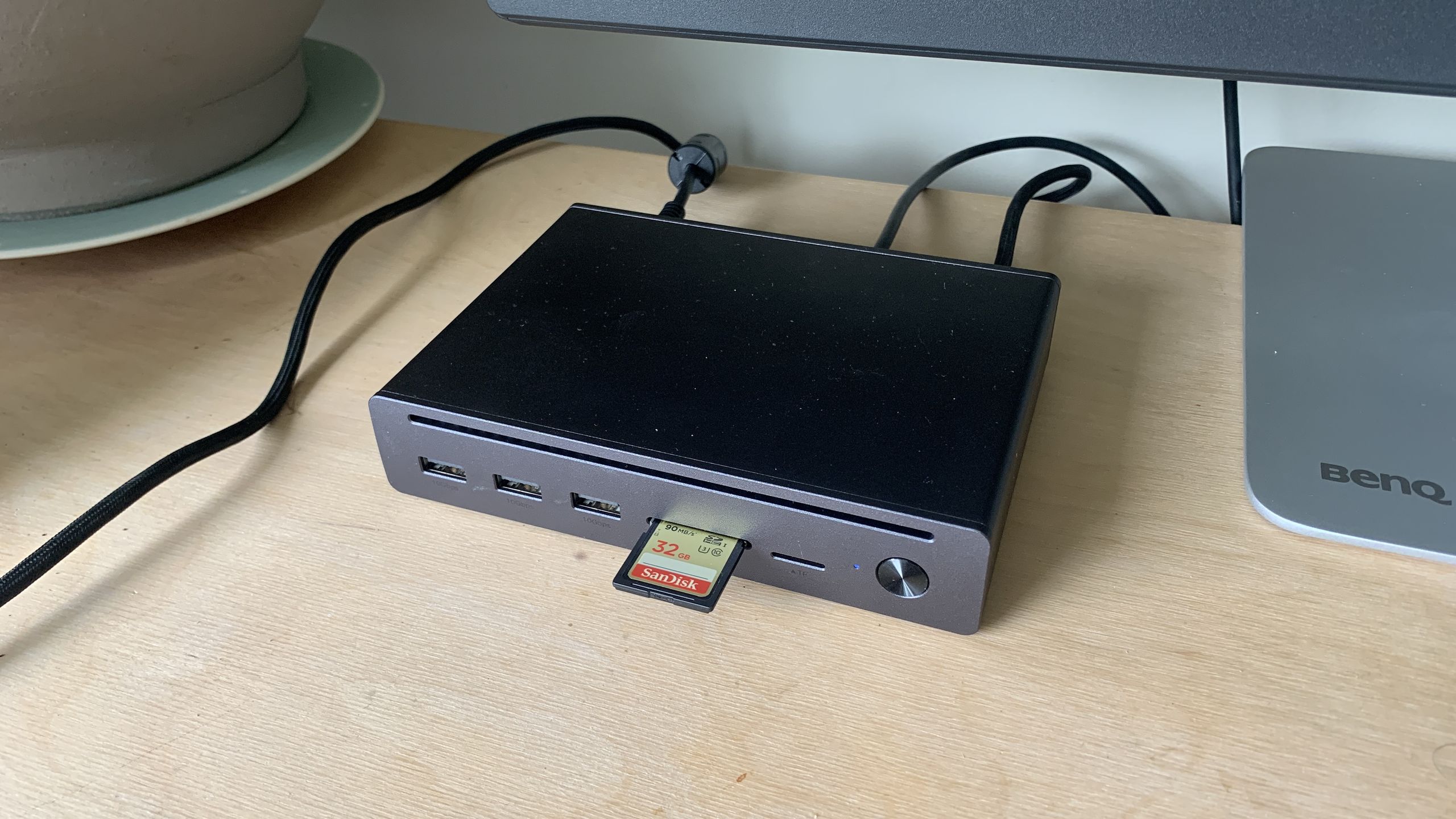
In addition to camera testing, NASA also examined various CFexpress cards for their resilience against radiation. While SanDisk performed the best in tests, the results varied based on the specific conditions. This emphasizes the importance of not only your camera body but also your storage media. Always ensure your cards are reliable, especially for critical shoots where you can’t afford to lose data.
Looking ahead, NASA’s ongoing work related to cameras for lunar missions adds another layer to this conversation. Their Handheld Universal Lunar Camera (HULC), based on a modified Nikon Z9, features enhancements like thermal protection and modified electronics tailored for extreme conditions. This not only demonstrates the evolving nature of camera technology but also serves as an inspiration for photographers to think creatively about their gear. Can you modify your existing setup for better performance in unique shooting conditions?
CuraFeed Take: The revelations from NASA's testing are a wake-up call for photographers everywhere. Rather than fearing the elements, we should embrace the durability of our equipment and push our limits. As we continue to explore new frontiers in photography, remember that preparation is key, whether you're facing extreme weather or crafting your next masterpiece. Keep an eye on how technology evolves and consider how it might enhance your photography — the sky is not the limit; it’s just the beginning.