In an era where photography is constantly evolving, the recent release of images from NASA's Artemis II mission is a reminder of the power of well-chosen equipment and technique. As photographers, we often seek inspiration from the extraordinary, and what could be more inspiring than capturing the vastness of space? As Artemis II journeys around the moon, the stunning visuals serve as a masterclass in both composition and the technical aspects of photography, urging us to refine our craft as we learn from the best.
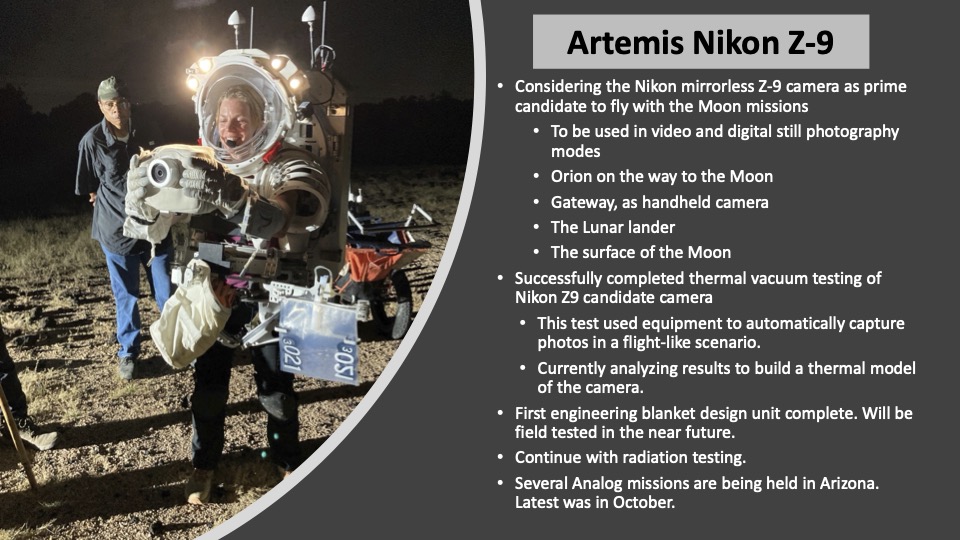
The images, which can be explored through NASA's Artemis II multimedia gallery, were captured using the Nikon Z9 and Nikon D5 cameras, both of which have been rigorously tested and flight-qualified for this mission. These cameras demonstrate the importance of selecting gear that can withstand extreme conditions while still delivering breathtaking results. As photographers, we must consider the reliability of our equipment, especially when working in challenging environments, whether that’s in the field or during a controlled studio shoot.
The Nikon Z9, known for its impressive low-light capabilities and remarkable autofocus system, allowed the astronauts to capture the lunar surface and the Earth from a unique vantage point. Similarly, the Nikon D5, though a decade old, remains a staple due to its robust build and excellent image quality. This blend of advanced technology and proven reliability highlights a key lesson: the best gear for your shoot might not always be the newest; sometimes, it’s about knowing your equipment inside and out and maximizing its potential.
Beyond the technical aspects of the cameras themselves, the context of this mission further enriches our understanding of photography in extreme conditions. NASA rigorously tests all flight-qualified cameras for their ability to withstand the intense thermal fluctuations and radiation exposure of space. This thorough vetting process ensures that each camera can perform optimally, providing photographers with a pertinent takeaway: always test your gear under the conditions you expect to encounter. This practice not only builds confidence in your equipment but also helps you anticipate how it will behave in less-than-ideal situations.
In a broader sense, the Artemis II mission is a part of a larger resurgence in space exploration, where technology and creativity intersect. As advancements in camera technology continue to evolve, so too does our ability to document and understand our universe. This intersection of art and science provides a fertile ground for photographers to explore new techniques, compositions, and workflows that push the boundaries of traditional photography.
CuraFeed Take: The Artemis II mission serves as a vivid reminder of the possibilities that exist when we combine robust technology with creative vision. For photographers, this is an opportunity to reflect on our own practices: Are we utilizing our equipment to its fullest potential? As we look to the future, consider how the lessons learned from NASA's meticulous approach can influence your own shooting and editing workflows. Keep an eye on upcoming missions, as they are sure to inspire new techniques and perspectives that can elevate your photography to new heights.
Ultimately, as photographers, we should be inspired by the meticulousness of NASA's approach to imagery and strive to apply similar discipline in our own work. Whether you’re shooting landscapes, portraits, or astro-photography, remember to invest time in understanding your gear, experimenting with techniques, and embracing the challenges that come your way. The sky is not the limit; it’s just the beginning.