The allure of the night sky has captivated photographers for centuries, but capturing the ethereal beauty of the Milky Way is an art form that requires both skill and patience. As we step into a new era of photography, the demand for stunning astrophotography is surging, prompting photographers to refine their techniques. Whether you are a seasoned professional or an enthusiastic amateur, mastering the intricacies of Milky Way photography can transform your portfolio and provide a spectacular visual narrative to your work.
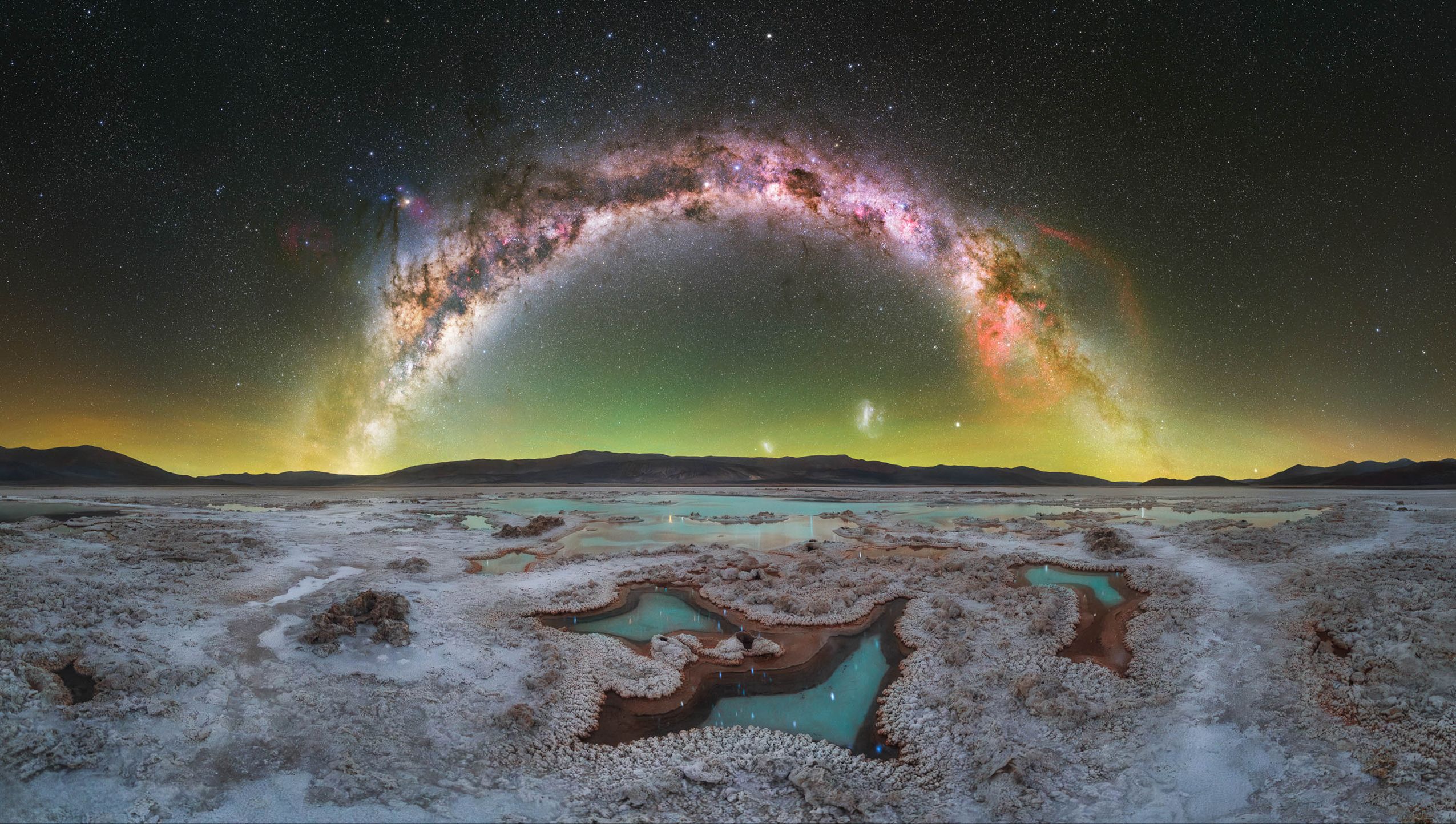
The recent announcement of the Milky Way Photographer of the Year for 2026 highlights the incredible potential of night sky photography. This year’s winner, who ventured to surreal salt flats under a crystal-clear sky, showcased not only technical prowess but also an artistic vision that brought the cosmos to life. The image captured illustrates a perfect alignment of conditions: minimal light pollution, a clear atmosphere, and a striking foreground. For photographers looking to improve their night photography skills, understanding these elements is essential.
To achieve a similar level of success, you must pay close attention to composition, lighting, and post-processing techniques. Start by scouting locations that offer a clear view of the sky and have minimal artificial light. Salt flats, like those used by the award-winning photographer, provide an unblemished canvas that reflects the stars beautifully, enhancing your images. Timing is also critical; aim for new moon phases and check the weather forecast to ensure a clear sky. Utilize apps that track the position of the Milky Way to plan your shoot effectively.
Once you’ve selected your location and timing, focus on your camera settings. A wide-angle lens (preferably 14mm to 24mm) with a large aperture (f/2.8 or wider) will allow for maximum light capture. Use a high ISO setting (between 1600 and 6400) to preserve the starry details while avoiding excessive noise. A sturdy tripod is a must to keep your camera steady during long exposures, typically lasting between 15 to 30 seconds. Experiment with different exposure times; you might be surprised by how much detail you can uncover in the night sky.
After capturing your photographs, the editing process plays a crucial role in bringing your vision to life. Utilize software like Adobe Lightroom or Photoshop to enhance your images. Start by adjusting the white balance to eliminate any color casts and boost the contrast to make the stars pop against the dark sky. Consider utilizing stacking techniques to reduce noise in your images, which can often be a challenge in night photography. Layering multiple shots can enhance both detail and clarity, providing a more vibrant final product.
The surge in interest in astrophotography is part of a larger trend in photography that embraces both natural beauty and technological advancement. As more photographers venture into this realm, the tools available for starry night captures continue to evolve. Innovations in camera technology, lens design, and editing software are enabling photographers to push the boundaries of what’s possible, making it easier to capture the magic of the cosmos.
CuraFeed Take: The rise of astrophotography is not just a trend; it represents a fundamental shift in how photographers engage with the natural world. With advancements in technology and a growing appreciation for the night sky, those who master this niche will find themselves at the forefront of a creative revolution. As we look to the future, keep an eye on emerging tools and techniques that will further enhance our ability to capture the universe's beauty—who knows what stunning visuals await us in the cosmos? This is an exciting time to be a photographer, and the Milky Way is just the beginning.