As the night sky becomes a canvas for imaginative photographers, capturing the ethereal beauty of the Milky Way has never been more relevant. With advancements in camera technology and a growing interest in astrophotography, understanding the nuances of composition, lighting, and editing can significantly enhance your ability to create stunning celestial imagery. The recent winners of the 2026 Milky Way Photographer of the Year competition, hosted by the travel photography blog Capture the Atlas, provide perfect case studies in these essential techniques.
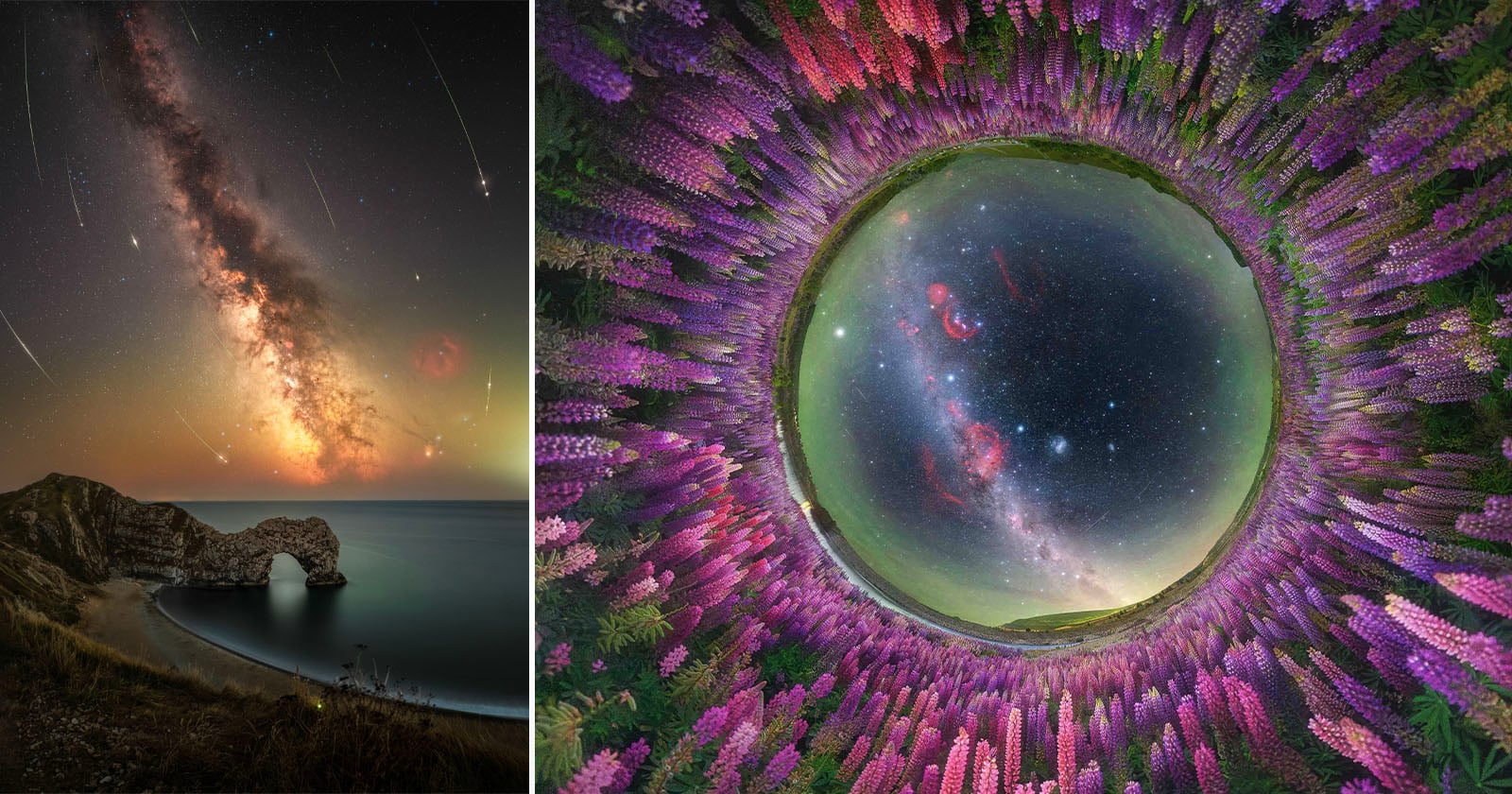
This year's competition showcased 25 remarkable photographs that exemplified the artistry and technical skill involved in night sky photography. Among the standout images, you'll find masterful uses of long exposures, strategic framing, and the effective use of natural elements in the foreground to create depth. From a glowing Milky Way arching over a rugged coastal landscape to circular fisheye views surrounded by vibrant flowers, these images serve as inspiration for photographers eager to explore the cosmos.
To achieve results similar to these winners, photographers should pay close attention to composition. Utilizing the rule of thirds can help create balanced and engaging images, while leading lines can draw viewers into the frame. Additionally, incorporating foreground elements like rocky shores or blooming flowers not only adds interest but also helps ground your photograph, allowing the viewer to connect with the vastness of the night sky.
Lighting is another crucial aspect when capturing the Milky Way. Since you're often working with low light conditions, mastering techniques such as stacking images for noise reduction can lead to cleaner, more defined results. Experimenting with different ISO settings and exposure times is vital; for instance, a higher ISO may capture the stars more clearly, but be cautious of introducing noise. A solid tripod is essential for stability during long exposures, ensuring that your images remain sharp and free from motion blur.
Editing workflows also play a significant role in bringing your night sky photography to life. The winners of this year's competition likely utilized software tools like Adobe Lightroom or Photoshop to enhance their images further. Adjusting contrast, saturation, and clarity can reveal the intricate details of the Milky Way, while also allowing you to fine-tune the color balance to reflect the natural hues of the night sky. Don't shy away from using gradients to emphasize the Milky Way while ensuring that the foreground remains vivid and engaging.
This competition is not just about showcasing stunning photography; it reflects a growing community of astrophotographers who are pushing the boundaries of what is possible in this genre. With the rise of social media, sharing techniques and learning from one another has become more accessible, creating a vibrant ecosystem for creativity and innovation. As cameras become more sophisticated, capturing the night sky is within reach for many photographers, whether they are seasoned professionals or enthusiastic hobbyists.
CuraFeed Take: The Milky Way Photographer of the Year competition serves as a reminder of the beauty that lies in our universe and the potential for photographers to capture it. As more photographers dive into astrophotography, the competition will continue to foster an environment of creativity and skill-sharing. For those looking to elevate their night sky images, studying the techniques employed by these winners is not only inspirational but also offers concrete strategies to apply in your own work. Keep your eyes to the stars and your camera ready; the next breathtaking shot could be just a click away!