In the world of photography, capturing the perfect moment is both an art and a science. As enthusiasts, we pour our hearts into every click of the shutter, hoping to freeze a fleeting emotion or scene in time. However, as much as we fall in love with the images we create, it’s essential to recognize that some mistakes made during the shooting process can never be undone in post-production. Today, we delve into seven photography pitfalls that can turn a potentially stunning photo into a regrettable misfire, urging you to perfect your craft before you even begin editing.
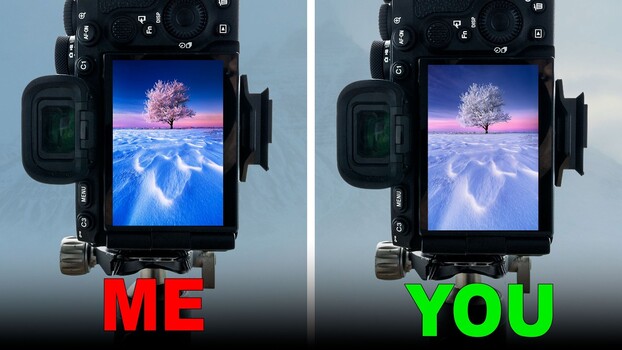
Imagine this: you’ve set up your composition perfectly, the light is golden, and the subject is poised for the ideal shot. But then, in the heat of the moment, you realize you’ve set your ISO too high, resulting in a grainy image that no amount of editing can save. Or consider the scenario where you’re editing on a monitor that doesn’t accurately represent colors, leading to a finished product that looks entirely different when viewed on other devices. These are just a couple of the missteps photographers commonly make that can compromise the integrity of their work.
The first of these errors is shooting in 8-bit mode instead of 16-bit. While 8-bit images may seem adequate for casual use, they lack the depth and color range necessary for professional quality, making it nearly impossible to correct color issues later on. Similarly, shooting in the wrong format—like opting for JPEG instead of RAW—can severely limit your editing capabilities, resulting in lost details and diminished quality. These crucial decisions often happen in the moment, yet their impact resonates throughout the entire workflow.
It’s not just about the settings on your camera; the environment plays a significant role too. For example, using the wrong white balance can lead to unwanted color casts, transforming a vibrant scene into a muddled mess. When you shoot under mixed lighting conditions without taking the time to adjust your settings, you’re leaving yourself with a daunting editing task that might not yield the desired results. The same goes for focus—missing the mark here can create images that are soft and unappealing, thwarting your vision before you even start to edit.
As photography continues to evolve, so does the technology that supports it. With the rise of artificial intelligence in post-production, it’s easy to fall into the trap of relying heavily on software to correct mistakes. However, the truth remains: certain fundamental errors can’t be corrected by even the most advanced algorithms. This reality signals an important shift in the photography landscape, where mastering the craft before hitting the shutter button is increasingly vital.
CuraFeed Take: The essence of great photography lies not just in the shooting or editing, but in the understanding of how each component interacts. Photographers must embrace the discipline of preparation and technical knowledge to ensure that their artistry shines through in every image captured. While technology advances and offers new tools, the most profound lessons often come from recognizing and learning from our mistakes. Moving forward, we should prioritize honing our skills in the field, ensuring that our final images reflect not only our vision but also our mastery of the craft. In this continuously evolving industry, those who invest in their foundational skills will ultimately stand out, capturing images that resonate long after the click of the shutter.