In the ever-evolving world of photography, capturing the perfect moment often feels like an elusive dream. But for photographers looking to refine their craft, there's no better inspiration than the breathtaking images from NASA's Artemis II mission. With thousands of unseen photos released recently, this is a golden opportunity to explore the techniques and workflows that can help you elevate your own photography, whether you're shooting stars or cityscapes.
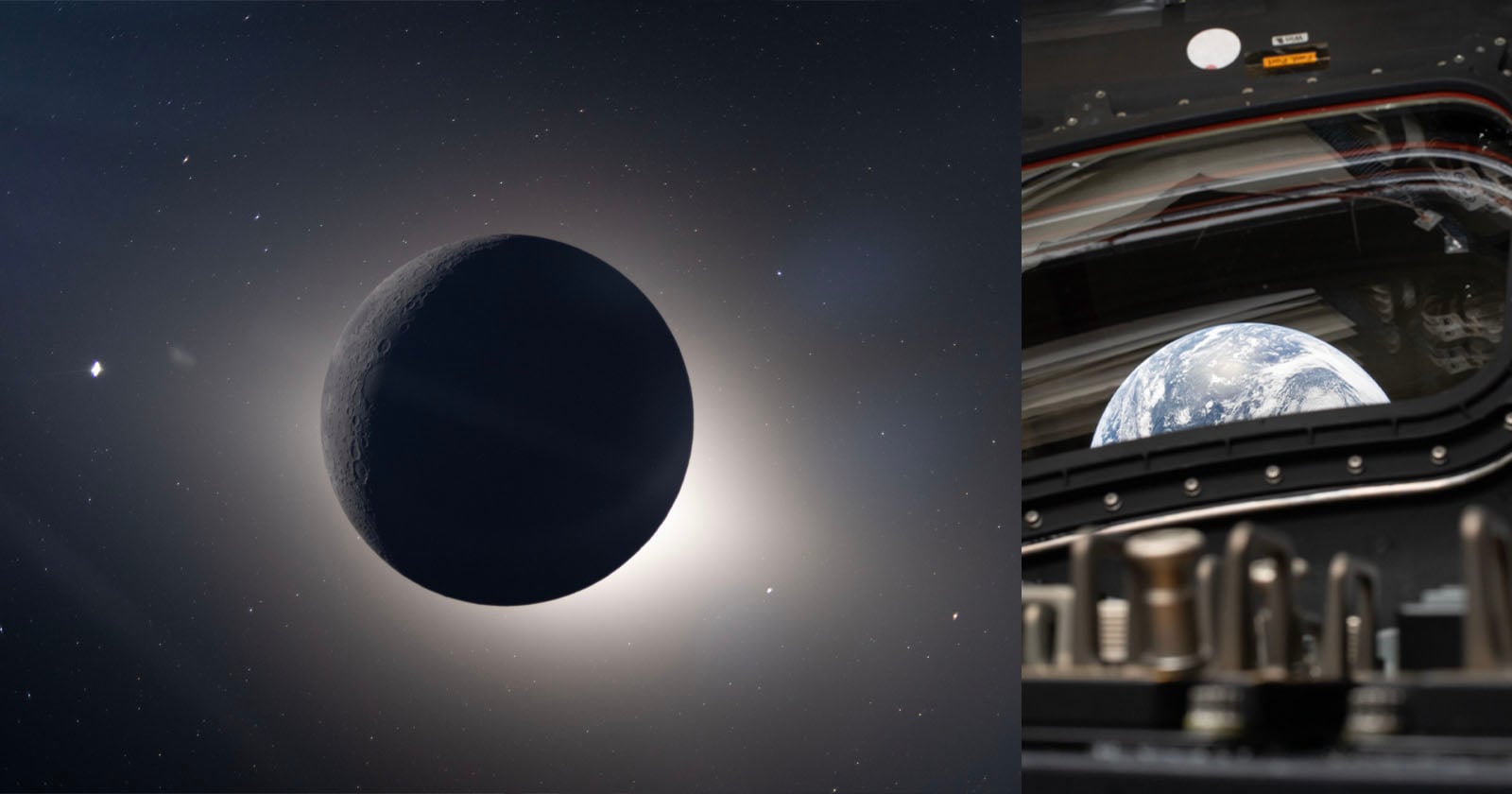
The Artemis II mission marked a monumental achievement for NASA, as it was the first crewed flight of the Artemis program aimed at returning humans to the Moon. While the mission itself was a scientific marvel, the crew's still images provide a masterclass in composition and lighting that any photographer can learn from. The stunning visuals include everything from the Earth peeking through a spacecraft window to breathtaking views of solar phenomena, showcasing the beauty of our planet and beyond.
When examining the released photographs, notice how the crew utilized natural light to highlight the Earth’s contours and the intricate details of space. The interplay of light and shadow creates depth and perspective, which is crucial for any photographer looking to enhance their work. When composing your shots, consider how the angle of light affects your subject. For instance, the golden hour—just after sunrise or before sunset—offers soft, diffused light that can transform ordinary scenes into extraordinary images.
In addition to lighting, composition plays a significant role in these awe-inspiring photographs. The rule of thirds is a classic technique often employed by photographers, allowing them to create dynamic images by placing points of interest along imaginary lines that divide the frame into thirds. As you study the Artemis II photos, notice how the crew framed their shots, focusing on key elements while allowing negative space to breathe. This not only draws the viewer's eye but also enhances the overall impact of the image.
Editing workflows are another crucial aspect to consider. Post-processing can make or break a photograph, and NASA’s images are no exception. The final images likely underwent meticulous editing to ensure color accuracy and detail, especially given the unique lighting conditions of outer space. For your own edits, consider using tools like Adobe Lightroom or Photoshop to fine-tune exposure, contrast, and color balance. Remember that less can be more—over-editing can detract from the raw beauty of your subject.
Understanding the context of these images also enriches your photographic journey. The Artemis II mission is part of a broader movement in space exploration that emphasizes the importance of visual storytelling. Photographers today have the opportunity to document not just the Earth but also the universe beyond it. This shift toward incorporating photography in scientific endeavors opens up new avenues for creative expression and technical innovation.
CuraFeed Take: The release of the Artemis II photographs serves as a reminder that photography is not just about capturing moments; it's about telling stories. As a practicing photographer, take this opportunity to learn from these stunning images. What techniques can you adopt in your own work? As space exploration continues to advance, keep an eye on future missions and the visual narratives they will bring. The cosmos offers endless possibilities for creativity—make sure your camera is ready to capture them.