In the ever-evolving world of photography, where every moment is a chance to capture something extraordinary, the tools we use are as vital as the vision we bring to our work. Recently, Canon issued a Service Notice that has sent ripples through the photography community—advising against the use of lithium or lithium-ion batteries in their Speedlites and other portable lighting equipment. This warning might have come as a surprise to some, but it’s a crucial reminder that our gear’s safety should never be taken for granted.
The implications of this notice are significant. Canon’s guidance isn't merely a precaution; it stems from a deeper understanding of how battery technology interacts with camera equipment. While lithium batteries are popular for their longevity and power, they can cause overheating and damage to the circuitry in speedlights and battery packs when used improperly. Photographers often seek to maximize their efficiency and performance, and the allure of lithium batteries may have clouded their judgment. Canon’s cautionary message serves as a pivotal reminder that not all power sources are created equal, especially when it comes to high-demand devices like portable strobes.
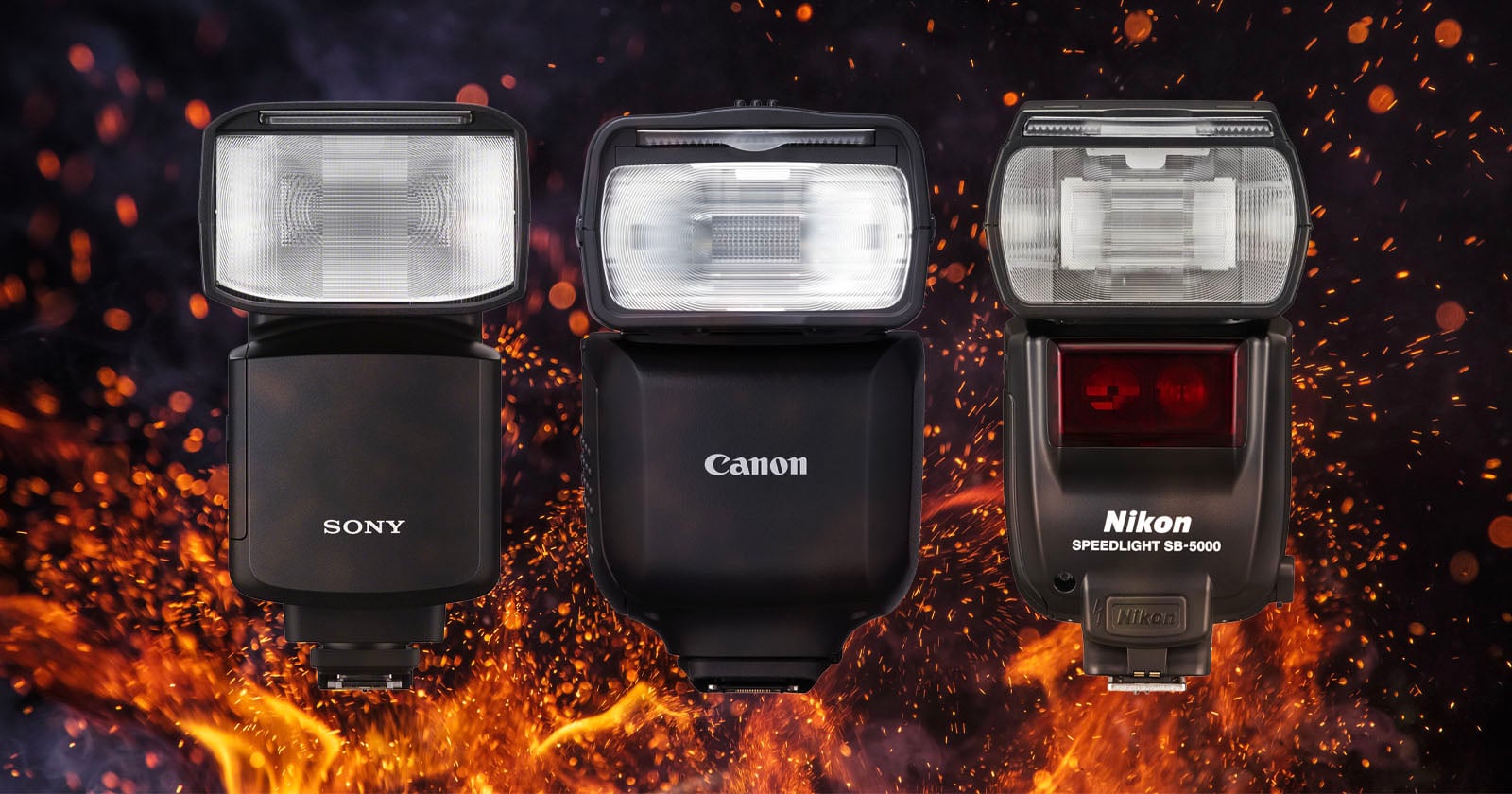
But this isn’t just a Canon-specific issue. Many manufacturers, from Nikon to Sony, have long cautioned against using lithium batteries in their lighting systems. It’s a common thread in the industry, yet it seems to have been overlooked by many in the pursuit of convenience. The reality is that understanding the needs of your equipment is just as crucial as mastering your camera settings or composition. This situation has opened a dialogue about battery safety and best practices across the photographic landscape.
As we navigate through this warning, it’s essential to understand its broader implications. The rise of lithium battery use has transformed the way we approach photography, allowing for longer shoot times and less frequent recharging. However, as technology evolves, so do the risks associated with it. The photography industry is at a crucial juncture, where innovation must be balanced with safety. As we embrace new technologies, we must also heed the lessons of the past.
CuraFeed Take: The message from Canon is clear: prioritizing safety in our gear is vital for longevity and performance. Photographers must now be more discerning about their battery choices; it’s an opportunity to educate ourselves on best practices and foster a culture of safety in our craft. As we move forward, it will be interesting to see how manufacturers respond to this growing concern and whether they will introduce new battery technologies that align with both performance and safety. The future of photography hinges not just on our vision, but on the reliability of the tools we choose to wield.